Homeowners are rethinking what they want from their windows, and composite frames are leading that shift. Once a niche option, they’ve moved into the mainstream because they solve problems that wood, vinyl, and aluminum windows never quite could on their own. If you’ve been comparing materials for an upcoming renovation, here’s why so many people are landing on composite.
At Elevated Windows & Doors, we’ve watched this trend build over the past several years. Clients come to us frustrated with warped wood frames, faded vinyl, or aluminum that transfers cold straight into the room. Composite windows address all three complaints at once, which is exactly why they’ve earned their reputation as a smarter long-term investment.
What Makes Composite Windows Different?
Composite window frames are engineered from a blend of wood fibers and polymer resins, fused together to create a material that behaves nothing like traditional wood. The result is a frame that resists moisture, rot, and warping while still offering the clean, natural look many homeowners want.
Think of it as taking the best qualities of several materials and leaving the weaknesses behind. Wood gives warmth and character. Polymers add strength and weather resistance. Combined, they create a product that holds its shape and color for years, even in harsh climates.
How Do Composite Windows Perform Compared to Vinyl or Wood?
Performance is where composite really separates itself from the pack. Vinyl windows can soften and warp under intense heat, and wood frames are notorious for swelling after prolonged exposure to moisture. Composite frames sidestep both issues.
A few standout advantages include:
- Superior insulation: The dense composite material reduces heat transfer, helping keep indoor temperatures stable and easing the load on heating and cooling systems.
- Moisture resistance: Unlike raw wood, composite won’t absorb water, so there’s no swelling, cracking, or rotting over time.
- Structural stability: Composite frames hold their shape through temperature swings, which means smoother operation and a tighter seal for years.
- Low maintenance: There’s no need for regular painting, sealing, or staining. A simple wipe-down keeps them looking new.
These aren’t marginal improvements. Homeowners who switch to composite frames often notice a real difference in how their rooms feel, particularly in the winter months when drafts from older windows tend to be most noticeable.
Do Composite Windows Add Value to a Home?
Curb appeal and resale value matter just as much as day-to-day comfort, and composite windows deliver on both. Their clean lines and range of finishes make them adaptable to nearly any architectural style, from classic colonial homes to sleek modern builds.
Buyers and appraisers alike recognize energy-efficient upgrades as a meaningful selling point. Replacing outdated windows with a higher-performing option signals that a home has been well cared for, which can translate into a smoother sale and stronger offers down the road. It’s an upgrade that pays dividends both while you live in the home and when you eventually decide to sell it.
Are Composite Windows a Sustainable Choice?
Sustainability is playing a bigger role in home renovation decisions, and composite frames fit that priority well. Many composite materials incorporate recycled content, reducing waste that would otherwise end up in landfills. Because the frames last significantly longer than vinyl or untreated wood, they also need to be replaced far less often, which cuts down on long-term material consumption.
Better insulation compounds this benefit. Homes with composite windows typically require less energy to heat and cool, which lowers utility bills and reduces overall carbon footprint. For homeowners who care about making environmentally responsible choices without sacrificing style or performance, composite windows check every box.
Why Homeowners Are Making the Switch
Better insulation and lasting durability make composite windows an increasingly popular option for homeowners who want long-term comfort without the upkeep. They combine the visual warmth of wood with the resilience of modern engineering, which is a rare pairing in the window market.
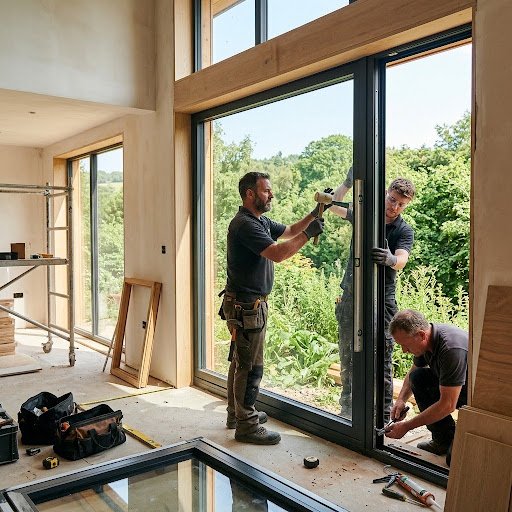
At Elevated Windows & Doors, we’ve installed composite windows in homes ranging from century-old renovations to brand-new custom builds. Across every project, the feedback tends to echo the same themes: quieter rooms, steadier indoor temperatures, and far less maintenance than what homeowners were used to with their previous windows. It’s not a small upgrade tucked into a larger renovation — for many clients, it becomes one of the most noticeable improvements in the entire home.
The financial case holds up over time too. While composite windows typically carry a higher upfront cost than vinyl, the reduced energy bills and minimal maintenance requirements often make up the difference within several years. From there, homeowners are simply banking the savings.
Making the Right Choice for Your Home
Choosing new windows is rarely just about aesthetics. It’s a decision that affects energy bills, indoor comfort, and how much time you’ll spend on maintenance for the next decade or more. Composite windows check every one of those boxes in a way that few other materials can match.
If you’re weighing your options for an upcoming renovation, it’s worth having a conversation with a team that installs these systems every day. Elevated Windows & Doors works with homeowners to find the right fit for their home’s style, climate needs, and budget, guiding the process from initial consultation through final installation.
Reach out to Elevated Windows & Doors today to explore how composite windows could transform the comfort and value of your home.