Siding typically deteriorates in stages and obvious signs of deterioration can appear a season or two after the initial problem has begun to develop. By being able to recognize obvious signs of deterioration and distinguishing between deterioration that can be repaired and deterioration that indicates more serious problems (i.e. Failure) of underlying construction, one can make an accurate call, charge honest prices and specify the proper replacement material(s) to achieve the maximum number of successful subsequent cycles.
Reading the signals that actually matter
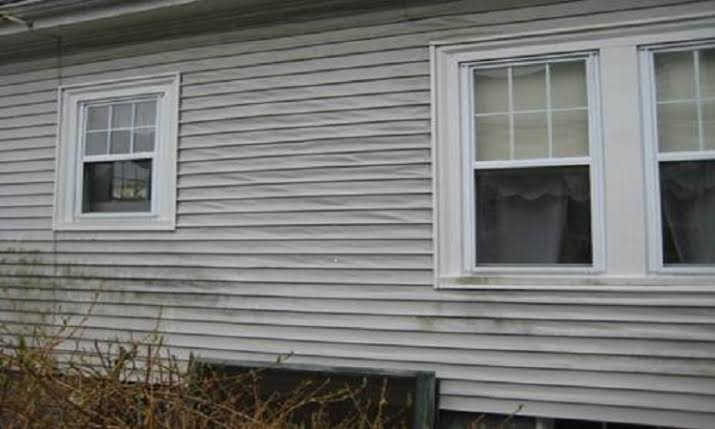
Minor surface wear, such as fading, chalking, or cracking, in siding does not necessarily mean that the siding needs to be replaced. Most surface wear is superficial and affects only the appearance of the siding and possibly the coating on the siding. On wood or fiber cement siding, the coating is affected to shed water. Other than that, surface wear does not necessarily indicate any problems with the siding.
Symptoms that point to substrate damage
- Soft or spongy sheathing when you press a screwdriver handle against the wall, particularly below windows and at the base of walls
- Interior signs such as peeling paint, stained drywall corners, or a musty smell in closets on exterior walls
- Boards or panels that have pulled away from the framing, which usually means fastener corrosion or rot in the nailing surface behind them
- Repeated blistering paint on the same elevation after two or more repaints, a sign that vapor is being driven out from inside the assembly
- Insect activity, especially carpenter ants, which colonize wood that is already wet
Confirming before you commit
Moisture meter readings are worth far more than an hour of your time inspecting the exterior of your house. By removing sections of siding from the worst elevation of exterior walls you will very quickly be able to establish the extent of any damage, and whether the sheathing, housewrap and framing behind the removed sections of siding are also affected.
Deciding between repair and full replacement
Evaluating the cost-effectiveness of repairs is difficult to do. However, if more than 1/4 of an elevation of siding has already been compromised, then spot repairs will cease to be cost-effective over a 10 year horizon. In reality, however, more than one elevation of siding is usually compromised.
| Condition found | Reasonable repair scope | Replace the elevation or house when |
| Impact damage to a few panels | Swap panels, accept color mismatch or repaint | Matching profile is discontinued and blending looks poor |
| Localized rot at one window | Rebuild the opening, install flashing and a sill pan | The same detail has failed at multiple openings |
| Widespread chalking or peeling | Wash, prime, and repaint on a five to seven year cycle | The substrate no longer holds paint or fasteners |
| Buckling or warped panels | Refasten with proper expansion clearance | Movement is caused by trapped moisture behind the cladding |
| Failed or missing weather barrier | None that is durable | Always, since the barrier cannot be corrected from outside without removal |
Specifying the replacement so it outlasts the last one
There are many materials that can be used for siding in a manner that will allow them to perform well for many years to come, and then can be replaced with similar, or even better materials. Regardless of the material that is used, however, proper flashing must always be included in the installation of the siding. Even the best materials will fail prematurely if a proper water management layer (i.e. Flashing) is not included in the installation of the siding to protect the siding from water damage.
Matching material to exposure and maintenance appetite
Another consideration for choosing the right siding for your home is the type of siding and where it will be on your home. For example, Fiber Cement Siding is great for the sides of your home that receive a lot of sun and are exposed to high amounts of wind and rain. The engineered wood siding is much lighter and easier to install than the Fiber Cement Siding and even has a coating warranty. The homeowner will have to do some touch up work around the windows and other problem areas of the home, but this is a minimal amount of work. The Insulated Vinyl Siding is another type of siding that adds a thin layer of insulation to the exterior of your home. This is a good choice for a homeowner that wants a siding that can hide some of the irregularities of the framing. For example, a home with a lot of angles and unusual framing, a shaded northern elevation of your home, for example, you may not want to worry so much about the actual material of your siding and more focus on the surface texture and the coating of the siding.
Evaluating the crew, not just the quote
Most differing bids fall in the scope category, not the skill category. Ask for a written description of what they plan to do with the housewrap, the window flashings, and the rotten sheathing behind the siding. Most contractors who price siding jobs are willing to give you a per sheet allowance for sheathing replacement. This will give you an idea of whether or not they have any experience with siding replacement jobs.
Questions worth asking before signing
- What drainage plane or rainscreen product will sit behind the cladding, and how are seams lapped?
- Are self adhered flashing membranes included at all penetrations and horizontal transitions?
- Who handles permits and inspections, and is the crew employed or subcontracted?
- How is fastener type and spacing determined, and does it match the manufacturer’s published instructions?
Regional practice can vary. Therefore, it is wise to hire a contractor that is experienced with the local wind loads and with the code amendments for siding. For example, cladding in the Frederick MD region must withstand freeze/thaw cycling, so homeowners are usually better served by a crew that specializes in siding replacement in Frederick MD. Therefore, siding with poorly sealed butt joints will not last long.
Protecting the investment afterward
It is very important to check your siding for problems on a regular basis. The time it takes to notice a problem with your siding is about a season. Check your home’s exterior for the following problems on an annual basis, check the caulk joints for cracking and reapply as needed; check the downspout to make sure water is being properly discharged from the home; check the grade of the soil around the home’s foundation to make sure water is not collecting at the base of the walls and running up the sides. Also, check for contact with overgrown plants and trees. Gentle washing of your home’s siding is very important. Many siding products including vinyl are covered by a warranty and high pressure water cleaning can void the warranty. This type of water can also force water behind the laps in the siding and into the wall voids of your home.