Ever tried grading thirty essays in a single sitting? It gets exhausting fast. Teachers lose entire weekends to red ink, while students wait weeks just to figure out why they lost points. Bringing an AI Essay Grader into your editing process speeds up early feedback on grammar, layout, and flow—right when it actually matters.
Discover how an AI Essay Grader speeds up writing feedback, helps students polish their essays, highlights structural issues, and improves academic performance effortlessly.
The Reality Behind Traditional Essay Grading
Writing takes thought. Grading it fairly? That takes forever. Instructors routinely trade free time for tall stacks of paper. They write the exact same notes in margins over and over—mostly pointing out run-on sentences, awkward phrasing, or misplaced commas. By the time papers get handed back, everyone has already moved on.
That delay hurts student progress. If you don’t get quick feedback on where your logic slipped, you just end up repeating those exact mistakes on the next paper.
Digital evaluation tools help fix that gap. They don’t replace a teacher’s advice. Instead, they catch basic mistakes early so you turn in a much cleaner final draft.
How Instant Feedback Helps Writers Improve
Using automated review tools isn’t about letting software write for you. That defeats the point. It’s really about seeing how your words sound to a fresh reader while you are still working on the piece.
When you run a rough draft through an AI Essay Grader, the platform flags weird phrasing, missing punctuation, and paragraphs that drag on. Good tools don’t just mark errors—they explain the issue so you can fix it using your own words.
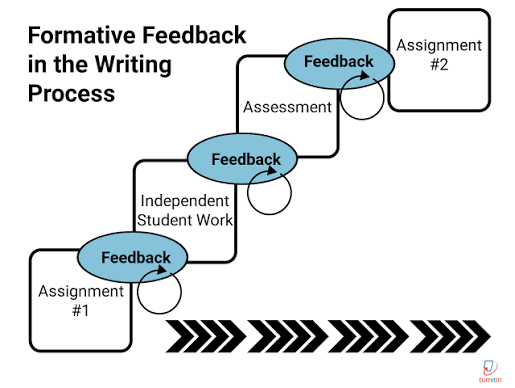
That immediate check turns editing into a step-by-step process. You stop guessing whether your thesis is clear or if your paragraphs flow naturally.
Core Features Worth Looking For
Not every review app works the same way. What matters for a quick high school assignment might not cut it for a college research paper:
- Grammar and Style Checks: Basic checkers find typos, but better tools highlight wordy phrases and repeated terms that weaken your argument.
- Flow and Structure Checks: A solid AI Essay Grader checks how your paragraphs link together so every detail ties back to your central point.
- Citation Verification: Source tracking is critical. Reliable tools check your references to save you from accidental citation mistakes.
Focusing on these basics gives you a clear path to clean up your paper before submitting it for a final mark.
Easing the Workload for Educators
Managing four or five classes leaves zero spare time. Reading dozens of long essays while keeping grading standards completely fair is exhausting.
Bringing automated review into the classroom routine takes away a lot of that initial proofreading fatigue:
- First-Pass Proofreading: Software handles quick checks for mechanics and layout. That leaves teachers with energy to judge actual arguments, logic, and creativity.
- Fair Baseline Standards: Automated tools apply set rubrics without bias, giving every paper the exact same starting point for mechanics.
- Classroom Insights: Group reports show which grammar rules or paper structures confused the whole class, making it easy for teachers to adjust their next lesson plan.
When software handles routine line edits, teachers get actual time back for instruction and mentoring.
Lowering Writing Stress for Students
Blank page panic is real. Most of that stress comes from worrying about mistakes or feeling unsure about how to set up an argument.
Having access to an AI Essay Grader during early drafting takes away a lot of that pressure. You can test out early thoughts in a low-stakes setting without worrying about an immediate grade. Getting instant, constructive suggestions gives you the push you need to try richer vocabulary and varied sentence styles.
Saving time on revisions doesn’t mean skipping the hard work. You still have to do the research, form real points, and write the draft yourself. Technology just clears out the annoying roadblocks along the way.
Best Practices for Using Editing Tools
To get real value out of editing software, keep these basic tips in mind:
- Treat Edits as Ideas: Software offers data-driven suggestions, but you make the final call. If an edit ruins your natural voice, keep your original wording.
- Fix Ideas Before Fixing Commas: Don’t waste thirty minutes fixing minor typos if your main argument is still messy. Fix your main point first, then polish the sentences.
- Keep Your Own Voice: Use editing software to clean up messy writing, never to replace your personal style or perspective.
Building a Consistent Writing Habit
Adding review tools into your regular routine works best when done one step at a time. On your next assignment, focus on writing your thoughts down freely without stopping to fix errors during the first draft.
Once your main thoughts are down, run your text through a feedback tool to spot obvious gaps and typos. Spend fifteen minutes working through those notes, rephrase problematic spots in your own words, and read the entire paper out loud once before turning it in.
Making instant feedback part of your regular habit builds real writing skills. Over time, you’ll naturally avoid common mistakes and write clearer, stronger essays right from your first draft.
Final Thoughts
Becoming a better writer takes practice, patience, and clear direction. Smart evaluation tools offer a fast, reliable way to spot errors, sharpen arguments, and build confidence. Used alongside proper teacher guidance, these tools make writing and revising a far smoother, more rewarding experience.