English is full of words that sound alike but mean completely different things, and grisly vs grizzly is a classic example. Because these two words are pronounced similarly, many people assume they can be used interchangeably. In reality, they have very different meanings, and using the wrong one can completely change the message of a sentence.
If you’ve ever wondered when to use grisly and when to use grizzly, you’re in the right place. This guide breaks down the definitions, meanings, examples, and memory tricks to help you use each word correctly with confidence.
Grisly vs Grizzly: The Quick Answer
Here’s the simple difference:
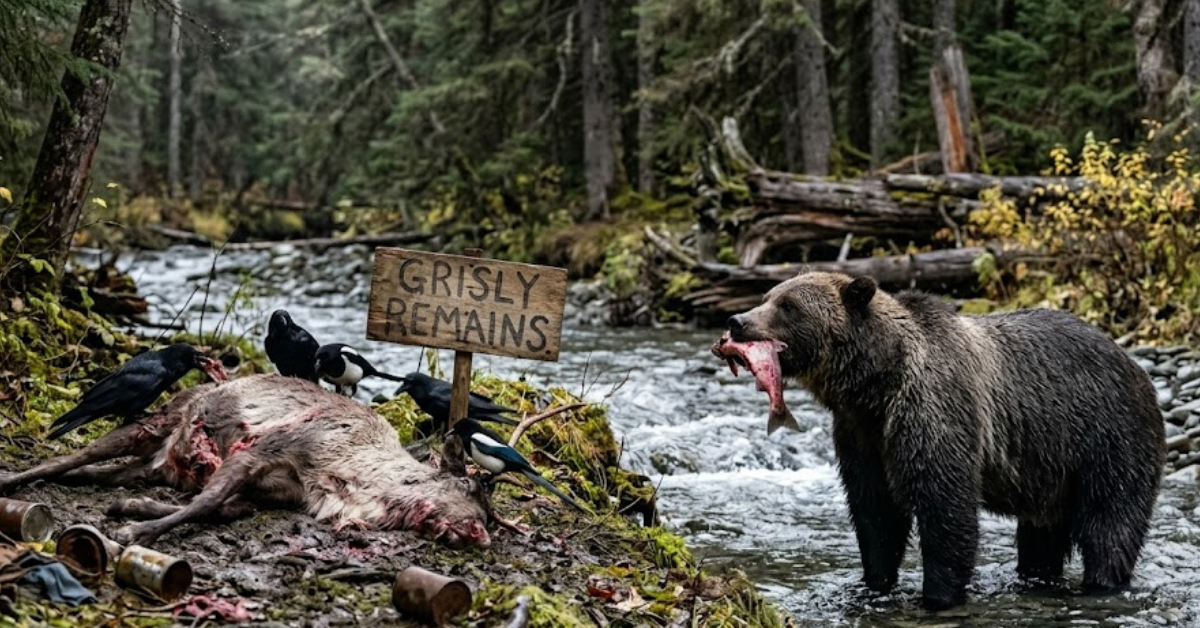
- Grisly = Something horrifying, gruesome, or shocking
- Grizzly = A type of large brown bear, or something grayish in appearance
Although they sound similar, their meanings are not connected.
Example:
- The detective described the crime scene as grisly.
- A grizzly bear was spotted near the hiking trail.
One refers to something disturbing, while the other refers to an animal.
What Does Grisly Mean?
Grisly is an adjective used to describe something that causes horror, disgust, or fear.
It often appears in stories, crime reports, horror fiction, and discussions involving shocking or gruesome details.
Common meanings of grisly:
- Horrifying
- Ghastly
- Shocking
- Gruesome
- Disturbing
Examples of grisly in a sentence:
- The movie included a grisly murder scene.
- News reports described the accident in grisly detail.
- The old castle had a grisly history.
In each case, the word suggests something unpleasant or terrifying.
What Does Grizzly Mean?
Grizzly usually refers to the grizzly bear, a large species of brown bear found in parts of North America.
It can also be used as an adjective to describe something with a gray or grizzled appearance, though this use is less common.
Common meanings of grizzly:
- A powerful brown bear
- Grayish or streaked with gray (older usage)
Examples of grizzly in a sentence:
- We saw a grizzly bear in the national park.
- The documentary followed a mother grizzly and her cubs.
- His beard had a grizzly appearance in the dim light.
Most often, people use this word when talking about bears.
Why People Confuse These Words
The confusion happens because grisly and grizzly are pronounced similarly in everyday speech.
Here are the main reasons people mix them up:
- Similar sound – They sound nearly identical in casual pronunciation.
- Close spelling – Only a couple of letters make them different.
- Popular phrases – People may hear expressions like “grizzly details” and assume that’s correct when the intended word is actually grisly.
This type of mistake is common in English and falls into the category of commonly confused words.
Side-by-Side Comparison
Use grisly when talking about:
- Horror
- Violence
- Disturbing scenes
- Gruesome events
- Shocking descriptions
Use grizzly when talking about:
- Bears
- Wildlife
- Animal species
- Grayish appearance
- Nature discussions
A quick memory tip: if it’s scary because it’s gory, think grisly. If it’s a bear, think grizzly.
Common Mistakes in Usage
Many people accidentally use the wrong word in writing.
Incorrect:
- The newspaper published grizzly details of the crime.
Correct:
- The newspaper published grisly details of the crime.
Why? Because crime details can be gruesome, but they are not bears.
Incorrect:
- We saw a grisly roaming in the forest.
Correct:
- We saw a grizzly roaming in the forest.
Why? Because the sentence refers to an animal.
Memory Tricks to Remember the Difference
A good memory trick can make these confusing words easier to remember.
Trick 1: Grisly = Gross
Both words start with Gri- and relate to unpleasant or disturbing things.
Think:
- Grisly = Gross, gruesome
Trick 2: Grizzly = Bear with extra “zz”
The double zz makes it feel bigger and heavier—just like a bear.
Think:
- Grizzly = Big bear
These simple associations help many writers remember the correct spelling.
Grisly vs Grizzly in Everyday Writing
Choosing the right word matters because spelling mistakes can affect clarity and credibility.
For example:
- In journalism, grisly often appears in crime reporting.
- In wildlife articles, grizzly is common in discussions about animals and habitats.
A single spelling mistake can make a sentence sound awkward or unintentionally funny.
Imagine writing:
- “The police uncovered grizzly evidence.”
That sounds like bear-related evidence instead of horrifying evidence.
Related Commonly Confused Words
If you struggle with these two, you might also confuse other similar word pairs:
- Affect vs Effect
- Sense vs Since
- Bear vs Bare
- Then vs Than
- Compliment vs Complement
These word pairs show how pronunciation can sometimes mislead spelling choices.
FAQs
Is grizzly ever used to mean gruesome?
No. Grizzly does not mean gruesome or horrifying. That meaning belongs to grisly.
Is grisly related to bears?
No. Grisly has nothing to do with bears. It describes something shocking or gruesome.
Which is correct: grisly details or grizzly details?
The correct phrase is grisly details because it refers to disturbing information.
What is a grizzly bear?
A grizzly bear is a large subspecies of brown bear found mainly in North America.
Why do people spell grisly as grizzly?
Because the words sound alike, people often confuse them when writing, especially if they rely on pronunciation alone.
Conclusion
Understanding grisly vs grizzly is easier once you know the key difference: grisly describes something horrifying or gruesome, while grizzly refers to a bear or something grayish in appearance.
The next time you come across these similar-sounding words, pause and think about the context. Is it about something shocking, or is it about a bear? That quick check can save you from a common spelling mistake and make your writing more accurate. If you enjoy learning about confusing English words, exploring similar word comparisons can sharpen your vocabulary even further.