
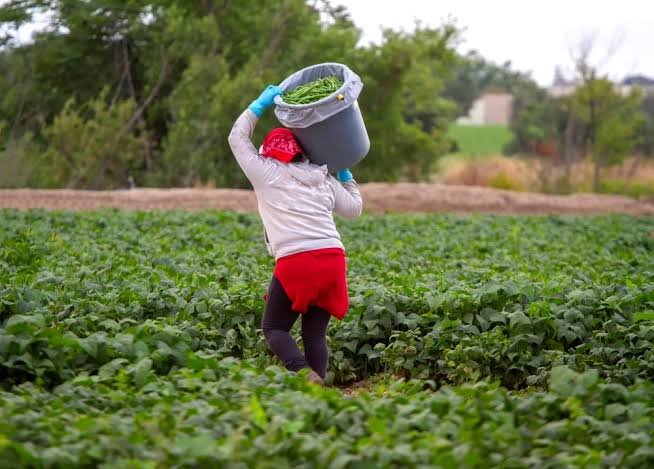
Since 1992, Jose M. Gracia Harvesting, Inc. has operated as one of the country’s prominent migrant labor contractors, supplying a legal agricultural workforce to farmers across North Carolina, Georgia, Florida, and other states. Company leader Jose Gracia oversees a fleet of more than 300 vehicles that support management, transport farmworkers, and move produce from fields to processing and storage locations, including specialized buses converted to haul watermelons and cantaloupes safely. The company works with farmers to address labor shortages through the H-2A visa program while maintaining extensive training programs covering field sanitation, tractor and machinery safety, heat stress prevention, and worker rights. These operational standards connect directly to the H-2A program discussed below, which governs how agricultural employers bring temporary workers into the United States responsibly and legally.
The H-2A visa program allows U.S. agricultural employers to hire temporary foreign workers when they face a shortage of available domestic workers. The program is intended for agricultural jobs that are temporary or seasonal in nature, such as work connected to a particular growing or harvesting period. Before an employer can use the program, the U.S. Department of Labor must determine that there are not enough qualified and available U.S. workers for the job and that employing H-2A workers will not adversely affect the wages or working conditions of similarly employed U.S. workers.
The process begins before a worker receives a visa. An employer seeking H-2A workers must first complete the temporary labor certification process through the Department of Labor. This includes submitting a job order and undertaking required recruitment of U.S. workers. Employers must hire qualified U.S. applicants who apply for the position during the required recruitment period and must maintain records related to recruitment and hiring decisions.
Once the labor certification requirements have been satisfied, the employer can proceed with the immigration process. The H-2A visa is a nonimmigrant classification, meaning workers enter the United States temporarily for the specific agricultural employment described in the approved job order. The program is not a general work authorization that allows someone to take any job in the United States.
H-2A employment also comes with specific requirements concerning wages and working conditions. Employers must offer the required wage for the applicable location and job. Workers must receive written information about the terms of employment, including job duties, expected hours, and other significant conditions. The work contract must be provided in a language the worker understands. Employers must also provide required wage statements and maintain appropriate employment records.
Another important protection is the H-2A program’s three-fourths guarantee. Generally, an employer must guarantee payment for at least three-fourths of the hours promised in the work contract during the contract period. This provision helps give workers greater certainty about their expected earnings even when weather or other circumstances affect the amount of agricultural work available. Employers must also maintain records showing the hours offered and hours actually worked.
Housing and transportation are another important part of the program. When workers cannot reasonably return to their permanent residence at the end of the workday, employers generally must provide housing at no cost. Employers must also provide or arrange safe daily transportation between employer-provided housing and the worksite. Vehicles used for covered transportation must meet applicable safety requirements and be properly insured.
The program also establishes protections that extend beyond H-2A visa holders. Certain U.S. workers employed in corresponding employment receive protections under H-2A rules as well. Employers must comply with applicable requirements regarding wages and working conditions, and qualified U.S. workers must be considered during the required recruitment period. These provisions are intended to ensure that the program addresses temporary labor shortages without negatively affecting workers already in the U.S. agricultural labor market.
For agricultural employers, understanding the H-2A program requires more than knowing how to request temporary workers. The program involves a formal process to address seasonal labor needs and establish employment standards. For workers, understanding the program can help clarify what they should expect regarding their job, compensation, and basic working conditions. Because H-2A regulations can change, employers and workers should consult current information from federal agencies when making decisions about the program.
About Jose M. Gracia Harvesting, Inc.
Jose M. Gracia Harvesting, Inc. has operated since 1992 as one of the nation’s leading migrant labor contractors, supplying legal agricultural workforces to farms across North Carolina, Georgia, Florida, and beyond. The company manages a fleet of more than 300 vehicles supporting daily operations, from transporting farmworkers to moving produce between fields and storage. Jose Gracia and his team maintain extensive worker training in field sanitation, machinery safety, and heat-stress prevention, reflecting a long-standing commitment to safe, reliable agricultural operations.