
Your home’s foundation carries more weight than you might realize, both literally and figuratively. It supports every wall, floor, and roofline above it, yet it’s the one structural element most homeowners rarely think about until something goes wrong. By then, a hairline crack has often grown into a problem that costs thousands of dollars to fix.
The good news? Foundation issues rarely appear overnight. They develop gradually, leaving behind clues that are easy to spot if you know what to look for. Catching these warning signs early can save you from extensive repairs, protect your property value, and give you real peace of mind about the home you’ve invested so much in.
In this post, we’ll walk through the most common signs of foundation trouble, explain why they happen, and share why so many homeowners in the region trust Top Course Masonry Inc to keep their properties safe and sound.
Why Foundation Problems Happen in the First Place
Foundations shift for a variety of reasons, and most of them trace back to the soil surrounding your home. Clay-heavy soil expands when wet and contracts when dry, creating constant pressure against your foundation walls. Poor drainage compounds this issue, allowing water to pool near the foundation and erode the soil that’s supposed to keep everything stable.
Seasonal temperature swings play a role too. Freeze-thaw cycles cause soil to heave and settle unevenly, putting stress on concrete and masonry that wasn’t designed to flex. Add in the natural aging of building materials, and it’s easy to see why even well-built homes eventually need attention.
Cracks Aren’t Always Cosmetic
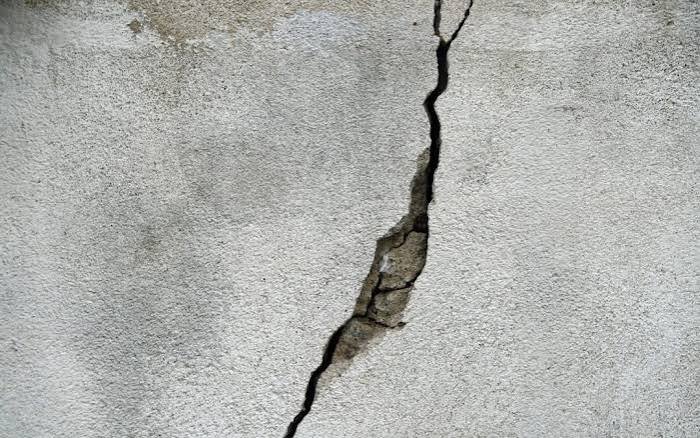
Not every crack signals disaster, but learning to tell the difference matters. Thin, vertical hairline cracks in drywall are often just the result of normal settling and typically aren’t cause for alarm. Horizontal cracks, stair-step patterns in brick or block walls, and cracks wider than a quarter-inch are a different story entirely. These patterns usually indicate lateral pressure or structural movement that requires a closer look.
Pay attention to where cracks appear, too. Cracks near doors and windows, especially ones that keep reopening after being patched, often point to foundation movement rather than simple cosmetic wear.
Doors and Windows That Won’t Cooperate
If your doors have started sticking, or your windows suddenly feel impossible to open and close smoothly, don’t blame it on humidity alone. When a foundation shifts, it can throw door and window frames out of square, even by a small amount. That subtle misalignment is enough to make previously smooth-operating hardware feel stuck or uneven.
This symptom is especially telling when it happens across multiple doors or windows in the same part of the house. A single sticky door might just need adjusting, but several at once suggests something bigger is happening beneath your feet.
Uneven or Sloping Floors
Walk through your home and pay attention to how the floors feel underfoot. Floors that slope, dip, or feel bouncy in certain areas often indicate that the foundation beneath them has settled unevenly. You might notice a marble rolling toward one side of a room or furniture that no longer sits level.
This kind of movement doesn’t just affect comfort. Over time, it can strain floor joists, create gaps between walls and ceilings, and lead to more expensive repairs if left unaddressed.
Gaps, Bowing Walls, and Visible Separation
Look closely at where your walls meet the ceiling or where interior walls connect to exterior ones. Gaps forming in these areas are a sign that parts of your home are moving independently of each other. Bowing or leaning basement walls are even more serious, often resulting from significant soil pressure pushing inward.
These issues tend to worsen with time and exposure to moisture, which is why addressing them sooner rather than later makes such a difference in overall repair costs.
Why Timely Professional Evaluation Pays Off
Foundation inspection provides a reliable way to assess your home’s structural integrity and catch minor issues before they develop into costly, extensive repairs. Identifying potential concerns requires more than a flashlight and a weekend of free time; it takes trained professionals who can distinguish between normal wear and genuine structural problems. With the right expertise and equipment, settlement, moisture intrusion, and crack patterns can be measured accurately, helping homeowners address concerns early and protect their property’s long-term stability.
That’s where Top Course Masonry Inc comes in. The team brings years of hands-on experience assessing homes throughout the region, identifying issues ranging from minor settling to significant structural shifts. Rather than guessing at the cause of a crack or a sticking door, homeowners get a clear, honest assessment paired with practical solutions tailored to their specific property.
Beyond diagnosing problems, Top Course Masonry Inc specializes in repairs that last. From reinforcing foundation walls to addressing drainage issues that contribute to soil movement, the team treats the root cause rather than offering a temporary patch. That approach protects your investment for years to come, not just until the next rainy season.
Protect Your Home Before Small Issues Become Big Ones
Your foundation deserves more than an occasional glance when something seems off. Regular evaluations, especially if your home is older or located on clay-heavy soil, can catch problems while they’re still manageable and affordable to fix.
If you’ve noticed any of the warning signs discussed here, cracks that keep returning, doors that won’t close right, or floors that feel a little too bouncy, don’t wait for the problem to grow. Reach out to Top Course Masonry Inc for a professional assessment and get the clarity you need to protect your home for years to come.
Frequently Asked Questions
How often should a home’s foundation be checked?
Most experts recommend a professional evaluation every two to three years, or sooner if you notice new cracks, sticking doors, or uneven floors.
Can foundation problems get worse if ignored?
Yes. Minor settling can progress into significant structural damage over time, especially if moisture and soil pressure continue unaddressed.
Is it normal for older homes to have some foundation cracks?
Some hairline cracking is common as homes settle naturally over the years. The key is distinguishing between harmless cosmetic cracks and ones that signal ongoing structural movement.
What makes Top Course Masonry Inc different from other contractors?
The team focuses on identifying the root cause of foundation issues, not just patching visible symptoms, resulting in repairs that hold up long-term.