
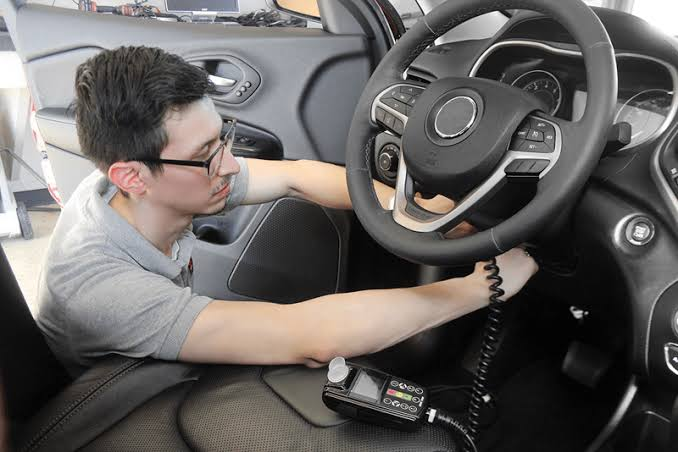
Ignition Interlock Problems, Not from Drinking Under the Influence. Problems usually come from failure of procedure, missed service, unfamiliar electronics in new vehicles, and lack of communication among the driver, the provider, and the monitoring authority.
Understanding what the device records and reports
When we talk about interlock devices, they are data loggers with a breath sensor attached. Every single event that happens on the interlock will be recorded and time stamped. This includes the initial startup tests that the interlock requires and all of the subsequent rolling retests. It also includes any refusals to provide a breath sample, lockouts, power interruptions, and any attempts to bypass the interlock handset. Each and every single one of these events is recorded in the interlock’s data logger until the time comes when the download is provided to the monitoring agency. At that time, all of the single questionable readings will be revealed.
Why context in the log matters
Interlock data is recorded in the interlock and viewed by the monitoring agency in the downloaded report. Tampering events are recorded differently depending on whether another sample of the same type is subsequently collected and found to be within acceptable parameters. It is best to complete a retest sequence for any failed sample and in the interim complete the retest for any additional unusual incidents. Then record those in a short personal note with dates and times for your reference when viewing a subsequent report of the interlock data.
Getting the installation right the first time
Installation problems can occur due to the choice of vehicle. For example, vehicles with push button start systems, remote starters, aftermarket alarms and stop start fuel saving features require special installation procedures. Hybrid drives require special installation procedures as well.
Please also note that for an interlock to operate properly there must be a good functioning battery and a good functioning charging system. We have seen many situations where an intermittent problem with the battery or charging system has resulted in a series of “power loss” events being reported on the interlock’s monitor download. These events are often misinterpreted by monitoring authorities and law enforcement as the driver attempting to tamper with the interlock.
- Battery condition and terminal corrosion, since interlocks draw a small constant current
- Existing electrical faults, aftermarket wiring, and any prior collision repair near the steering column
- Registration and insurance status, which most providers verify at installation
- Who else drives the vehicle, and whether those drivers will be trained on the handset
Documentation to leave the shop with
The vehicle installation notes should be given to the driver in the form of a handout. The handout should contain the installation certificate, provider’s service schedule, after hours support contact number and a written guide to using the specific interlock handset that was installed.
Service intervals, calibration, and avoidable violations
Interlock Ignition Devices for Ignition Interlock Systems in terms of Interlock Repairs (terms) of a DUI (Driving Under the Influence) offender’s Interlock Probation be extended due to interlock ‘Data Disputes’ which can be settled prior to a ‘term of service’ interlock service call (appointment). Interlock ‘Data Disputes’ which pertain to ‘Tampering’, ‘Interlock Calibrations’, ‘Data Loss’ or ‘Charging System Problems’ can typically be settled prior to an interlock ‘term of service’ (sentence) appointment by first contacting your local Interlock Service Provider.
| Recorded event | Common non alcohol cause | Practical prevention |
| Low positive reading at startup | Mouthwash, breath spray, or fermented food residue | Rinse with water and wait 15 minutes before testing |
| Rolling retest refusal | Driver did not hear or recognize the prompt | Practice the retest sequence while parked, keep the handset within reach |
| Power interruption | Failing battery, jump start, or unrelated repair work | Notify the provider before any shop visit that involves the electrical system |
| Permanent lockout | Missed calibration appointment | Schedule the next visit before leaving the current one |
| Tamper flag | Unauthorized attempt to bypass the wiring harness | All work on the device performed by the authorized provider only |
Handling repairs and shared vehicles
Note, All work that requires the batteries to be disconnected from the vehicle must be reported to the interlock provider prior to the work being done. Confirmation of the repair order of the work that was completed should be provided to the driver in writing. If there are other people that use the vehicle (i.e. Spouse, coworker, etc.), they too must test for Intoxication and be aware that a failed test will be reported as if they took the test.
Selecting a provider that will not create compliance problems
Drivers who are required to fit a DUI ignition interlock device in Winchester would do well to apply the same assessment when choosing the company that installs and monitors the unit. Again, certification by the State is key as well as the service network of the provider. Installations should be possible at a time and place that is convenient for the driver. The location of the calibration also needs to be near the driver’s home or workplace. Also important is the provider’s after hours service in the event of a lockout. Finally, it is recommended to ask for data disputes and for a list of detailed event reports that the provider can supply to the driver on request.
Questions worth asking before committing
- What is the total monthly cost including calibration, and what triggers additional fees
- How are lockouts resolved outside business hours, and at whose expense
- How are reports transmitted to the monitoring authority, and on what schedule
- Is a loaner handset available if the unit fails
- What is the removal process, and how is the vehicle restored to original condition
Building toward a clean removal
In many jurisdictions the term of interlock is set for a time period of violation-free operation rather than a set of calendar days. By recognizing that the first 60 days of interlock are the highest risk period (when the newly interlocked driver is in the formation of habits phase) the term of interlock can be reduced. A written confirmation of compliance with a copy to all parties at time of removal of the interlock device and retention of the final service records for the term of interlock is recommended. Questions have arisen long after the interlock device has been removed regarding the term of interlock for the individual.