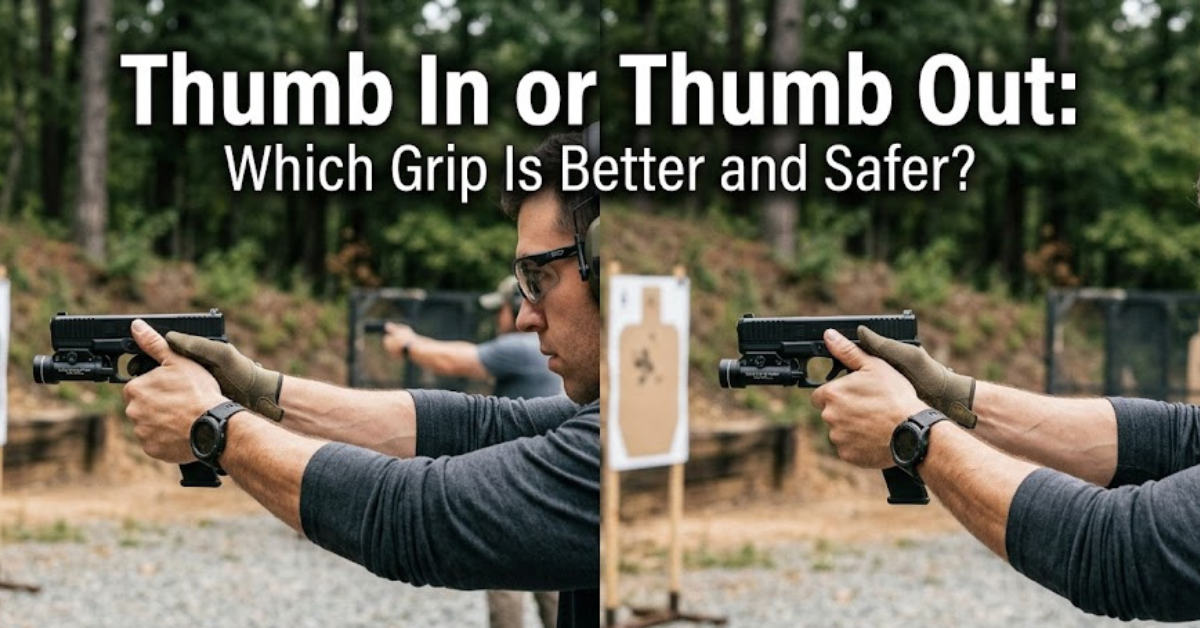
Have you ever noticed someone telling you to keep your thumb inside your fist while another person insists it should stay outside? It may seem like a small detail, but thumb placement can significantly affect comfort, strength, control, and even safety in different activities.
The debate over thumbs in or thumbs out comes up in sports, fitness, self-defense, martial arts, boxing, weightlifting, and even everyday hand movements. While there’s no one-size-fits-all answer, understanding when each thumb position is appropriate can help prevent injuries and improve performance.
In this guide, you’ll learn the differences between thumb-in and thumb-out grips, where each method works best, common mistakes to avoid, and expert recommendations for various situations.
What Does “Thumb In or Thumb Out” Mean?
The phrase thumbs in or thumbs out refers to the position of your thumb when making a fist or gripping an object.
Generally, there are two positions:
- Thumbs In: The thumb is tucked inside the fingers.
- Thumbs Out: The thumb wraps around the outside of the fingers or object being held.
Although these positions look similar, they create very different levels of stability, force, and injury risk.
Why Thumbs Position Matters
Your thumb contributes nearly half of your hand’s overall function. Because of its unique anatomy, the thumb helps with:
- Grip strength
- Fine motor control
- Balance while holding objects
- Shock absorption
- Stability during lifting or striking
A poor thumbs position can increase stress on joints, ligaments, tendons, and bones.
Thumbs In vs. Thumbs Out: The Key Differences
| Feature | Thumb In | Thumb Out |
| Stability | Lower | Higher |
| Injury Risk | Higher | Lower |
| Grip Strength | Weaker | Stronger |
| Recommended for Sports | Rarely | Usually |
| Everyday Use | Limited | Most activities |
For most activities requiring force, experts recommend keeping the thumb outside rather than tucked inside.
When Is Thumb Out the Better Choice?
For the majority of situations, placing your thumb outside provides better support and protection.
Weightlifting
When lifting weights, wrapping the thumb around the bar creates a secure grip.
Benefits include:
- Better control
- Reduced slipping
- Improved wrist stability
- Increased lifting confidence
Powerlifters and beginners alike typically use this grip for exercises such as:
- Deadlifts
- Bench press
- Rows
- Dumbbell exercises
Boxing and Martial Arts
One of the first lessons taught in boxing is proper fist formation.
A correct fist includes:
- Curl the fingers tightly.
- Lay the thumb across the outside of the fingers.
- Keep the wrist straight.
Putting the thumb inside the fist can result in:
- Thumbs fractures
- Ligament injuries
- Joint dislocations
- Reduced punching power
This is why professional fighters never punch with the thumbs tucked inside.
Everyday Carrying
Whether you’re holding:
- Grocery bags
- Tools
- Luggage
- Sports equipment
Wrapping the thumbs around the object improves grip security and reduces fatigue.
Are There Times When Thumbs In Is Used?
Although thumbs-in positioning is generally discouraged for forceful activities, it does have specific uses.
Certain Martial Arts Techniques
Some traditional martial arts teach temporary thumb-in positions during specialized hand formations.
These techniques are usually:
- Closely supervised
- Style-specific
- Not intended for striking hard surfaces
Rehabilitation Exercises
Physical therapists occasionally recommend thumb-in movements during controlled rehabilitation exercises to strengthen specific muscles.
These exercises are carefully monitored and shouldn’t be confused with making a forceful fist.
Relaxed Hand Position
When your hand is resting naturally, the thumb may drift inward slightly. This isn’t dangerous because little force is being applied.
The Risks of Keeping Your Thumbs Inside
The thumbs is surprisingly vulnerable.
When it’s trapped inside a clenched fist, impact force can crush or bend it unnaturally.
Possible injuries include:
- Thumb sprains
- Ligament tears
- Joint instability
- Bone fractures
- Soft tissue bruising
In high-impact activities, these injuries can require weeks or months of recovery.
Grip Strength: Which Position Wins?
Research on hand biomechanics consistently shows that wrapping the thumbs around an object creates a stronger grip.
This is because the thumbs acts like a clamp, opposing the fingers.
Benefits include:
- Increased holding power
- Better object control
- Less hand fatigue
- Improved precision
Without the thumb’s opposing force, grip strength decreases noticeably.
Thumbs Position in Different Activities
Weightlifting
Recommended: Thumbs out
Most people should wrap the thumbs around the bar.
Exception:
Some experienced lifters use a “false grip” or “suicide grip” for specific exercises, but it increases the risk of dropping the bar and is generally not recommended for beginners.
Rock Climbing
Climbers adjust thumbs position depending on the hold.
Examples include:
- Open-hand grip
- Crimp grip
- Pinch grip
Each requires different thumbs placement for maximum efficiency.
Baseball and Softball
Batters and fielders often rely on the thumb for:
- Bat control
- Glove stability
- Throwing mechanics
Proper thumb positioning helps improve both comfort and performance.
Tennis and Racquet Sports
Players shift thumbs placement depending on:
- Forehand
- Backhand
- Serve
- Volley
Correct grip enhances racket control and reduces wrist strain.
Common Mistakes People Make
Many injuries happen because of simple grip errors.
Avoid these common mistakes:
- Tucking the thumbs inside while punching
- Gripping too tightly
- Bending the wrist excessively
- Ignoring hand fatigue
- Using improper lifting technique
Small adjustments often make a significant difference.
Expert Tips for Better Hand Safety
Whether you’re exercising, working, or playing sports, these habits can help protect your hands.
Warm Up Your Hands
Spend a few minutes stretching your fingers, wrists, and thumbs before intense activity.
Strengthen Your Grip
Exercises such as:
- Grip trainers
- Therapy putty
- Farmer’s carries
- Finger extensions
can improve hand endurance.
Use Proper Equipment
Wear gloves when appropriate and choose equipment that fits your hand size.
Listen to Pain
Persistent thumbs pain shouldn’t be ignored. Early treatment often prevents more serious injuries.
Thumbs Anatomy Explained
The thumbs differs from the other fingers because it has:
- Two bones instead of three
- A highly mobile saddle joint
- Powerful muscles controlling movement
- Unique opposition capability
This special anatomy allows humans to grip tools with remarkable precision.
Protecting the thumbs means protecting one of your hand’s most valuable functions.
Thumbs In or Thumbs Out: Quick Recommendations
| Activity | Best Thumb Position |
| Boxing | Thumbs out |
| Weightlifting | Thumbs out |
| Carrying heavy objects | Thumbs out |
| Everyday gripping | Thumbs out |
| Physical therapy exercises | Depends on exercise |
| Specialized martial arts forms | Instructor guidance |
Practical Tips
If you’re unsure which grip to use, remember these simple guidelines:
- Wrap your thumbs around objects whenever possible.
- Never punch with your thumbs inside your fist.
- Learn proper grip techniques before lifting heavy weights.
- Practice good hand positioning until it becomes natural.
- Seek coaching if you’re learning a new sport.
Key Takeaways
- Thumb placement affects strength, stability, and injury prevention.
- For most activities, keeping the thumbs outside is the safest option.
- Thumb-in positioning is only appropriate for specific techniques or therapeutic exercises.
- Proper grip improves performance while reducing the chance of injury.
- Learning correct hand mechanics pays off in both sports and daily life.
Frequently Asked Questions
Is thumbs in or thumbs out better?
For most activities, thumbs out is the better choice because it provides greater grip strength, stability, and protection against injury.
Why shouldn’t you punch with your thumb inside?
A thumbs tucked inside the fist can be crushed or bent on impact, leading to sprains, fractures, or ligament damage.
Is thumbs-out grip stronger?
Yes. Wrapping the thumbs around an object creates an opposing force that improves grip strength and control.
Do professional boxers use thumbs in or thumbs out?
Professional boxers always keep the thumbs outside the fingers when making a fist to reduce the risk of injury and maximize power transfer.
Can thumbs-in exercises ever be useful?
Yes. Some rehabilitation programs and specialized martial arts techniques use thumbs-in positions under professional supervision, but they are not intended for heavy force or impact.
Does thumbs position matter in everyday life?
Absolutely. Proper thumbs placement improves comfort, grip security, and control when carrying objects, using tools, or participating in sports.
Conclusion
The question of thumbs in or thumbs out has a clear answer for most situations: keeping your thumbs outside is safer, stronger, and more effective. Whether you’re lifting weights, practicing boxing, carrying heavy objects, or simply improving your hand mechanics, proper thumbs positioning helps protect your joints while enhancing control and performance.
Understanding the role of your thumbs may seem like a small detail, but it can make a noticeable difference in both everyday tasks and athletic activities. By applying the techniques covered in this guide, you’ll reduce your risk of injury and develop stronger, more efficient hand habits that benefit you for years to come.