How Infrared Light Therapy Works
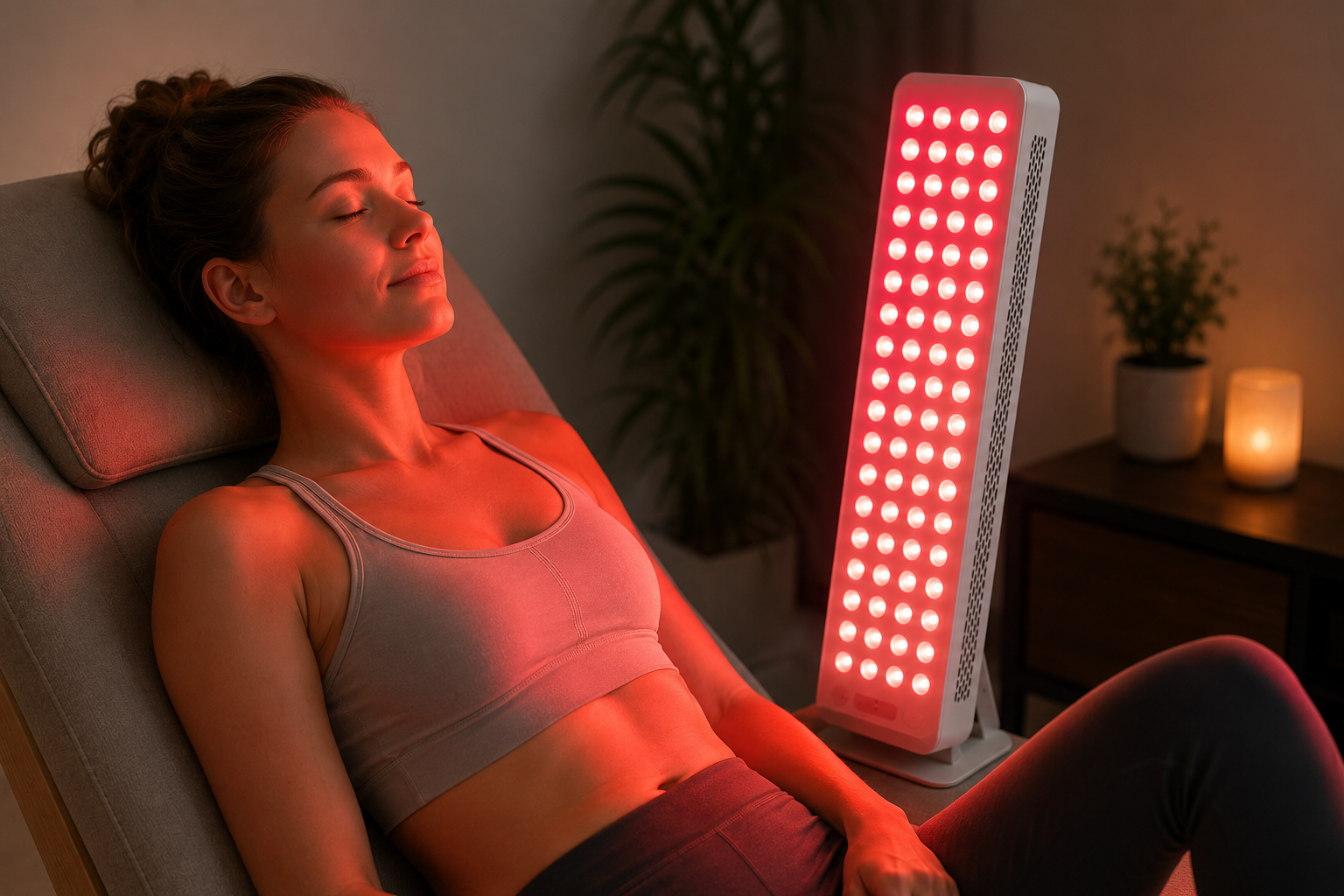
The mechanism is less mysterious than the marketing makes it sound. Light in the red range, roughly 630 to 660 nanometres, is absorbed by the upper layers of skin. Near-infrared light, around 800 to 850 nanometres, travels deeper and reaches muscle, joint, and connective tissue. Once that light is absorbed, it stimulates the mitochondria inside your cells, the small structures that produce energy. The cells then make more ATP, the fuel they use to repair themselves and clear waste. Scientists call this process photobiomodulation. In plain terms, the light gives tired or damaged cells a nudge to work the way they should.
This is also why a single session rarely changes much on its own. The treatment works on a cumulative basis, so results build across a course of sessions as the tissue responds. That is worth keeping in mind before judging it on one visit.
Infrared Light Therapy Benefits for Skin
The skin side is where most people first hear about this treatment. Red light encourages fibroblasts, the cells responsible for collagen and elastin, to produce more of both. Over time that can mean firmer skin, softer fine lines, and a more even tone. Many clients also notice less redness and quicker recovery from breakouts.
A few of the infrared light therapy benefits people report for skin include:
- Smoother texture and a reduction in fine lines around the eyes and mouth
- Calmer, less reactive skin for those prone to redness or rosacea
- Support for acne-prone skin, since certain wavelengths help reduce inflammation and bacteria
- Faster healing after procedures such as peels, microneedling, or laser work
Panel and mask-style infrared face light devices have made the facial side of this treatment especially popular. An infrared face light session is gentle, warm, and completely non-invasive, which makes it a comfortable option for anyone nervous about injectables. In a climate like Dubai’s, where strong UV exposure speeds up pigmentation and collagen loss, that kind of low-effort maintenance has clear appeal.
Relief for Pain, Stiffness, and Recovery
The pain side of infrared light therapy gets less attention in beauty circles, but it is well supported and arguably more practical for daily life. Near-infrared wavelengths reach deeper tissue, where they help widen blood vessels and improve circulation to the treated area. Better blood flow brings oxygen and nutrients in and carries inflammatory waste out, which is the basic recipe for faster recovery.
People use it for sore muscles after training, stiff joints, lower back tension, and the general aches that come from sitting at a desk for ten hours. Because it lowers inflammation rather than just masking discomfort, the relief tends to hold rather than fade the moment you stand up. Active residents and athletes across the UAE often fold it into a recovery routine alongside stretching and proper rest.
Why It Fits the UAE Lifestyle
The conditions that make life in the Emirates enjoyable also put steady pressure on skin and body. Intense sun accelerates collagen breakdown and pigmentation. Air conditioning dries the skin out. Long commutes and packed schedules raise stress and disrupt sleep, both of which show up on your face and in how your body recovers. This treatment addresses several of those at once, which is part of why UAE clinics have adopted it so quickly. It does not undo sun exposure, but it gives skin and tissue a consistent way to repair against a demanding backdrop.
In-Clinic Sessions Versus Home Devices
Home panels and masks have a place, and for light maintenance they can be useful. The difference comes down to power and consistency. Clinical-grade devices deliver a higher, calibrated dose at the right distance, so each session does more in less time. A clinic setting also brings a trained eye to the process: someone who can assess your skin or pain concern, set realistic expectations, and adjust the protocol as you go. For a specific issue, whether that is stubborn pigmentation or a recurring joint problem, supervised treatment usually produces cleaner results than guessing with a consumer gadget.
Pairing Infrared Light Therapy With Other Treatments
Infrared light works best as part of a broader plan rather than a standalone fix. Many people combine it with an infrared sauna dubai session, since the deep heat and the light therapy both support circulation and recovery through different routes. It also sits naturally within a functional medicine dubai approach, where the goal is to treat the root causes of fatigue, inflammation, or poor recovery rather than chase symptoms one at a time. A clinician can advise on sequencing so the treatments complement rather than overlap.
Who Is a Good Candidate
This treatment suits most adults looking for a low-risk way to improve skin quality or manage everyday pain. It is a sensible option for people who want visible skin improvement without injectables, anyone managing muscle or joint discomfort, and those recovering from cosmetic procedures who want to speed up healing. It is generally well tolerated, with the most common side effect being mild, temporary warmth or redness at the treated area.
That said, it is not right for everyone. People who are pregnant, those taking medication that increases light sensitivity, anyone with a history of certain skin cancers, and people with active eye conditions should check with a doctor first. A proper consultation before starting clears up whether it is appropriate for your situation. This article is general information and not a substitute for medical advice.
Frequently Asked Questions
How soon will I see results from infrared light therapy?
Most people start to notice changes after four to six sessions, though it depends on what you are treating. Skin tone and texture tend to improve gradually over several weeks, while muscle and joint relief can be felt sooner. Consistency matters more than any single appointment.
Is infrared light therapy safe for darker skin tones?
Yes. Unlike some laser treatments that target pigment, infrared and red light do not rely on melanin to work, so they are considered safe across the full range of skin tones. That makes it a flexible option for the UAE’s diverse population.
How is infrared light therapy different from an infrared sauna?
An infrared sauna heats the body to encourage sweating, relaxation, and recovery. Light therapy uses specific wavelengths at controlled doses to trigger cellular repair in skin and tissue. They overlap in benefits and pair well together, but they are not the same treatment.
Does an infrared face light help with acne?
It can. Certain wavelengths reduce the inflammation and bacteria linked to breakouts, and an infrared face light session also supports the healing of post-acne marks. It works best as part of a consistent routine rather than a one-off.
How often should I book sessions?
A typical starting point is two to three sessions a week for the first few weeks, then a move to weekly or monthly maintenance once you reach your goal. Your clinician will tailor the schedule to your skin or pain concern.
Can I combine it with other wellness treatments?
Yes, and many people do. It pairs well with IV therapy, infrared sauna sessions, and a functional medicine plan. Coordinating the timing with a clinician gives you the best overall result.
Bring Skin and Pain Care Together
At Aesthetic Polyclinic, infrared light therapy is offered as part of a wider wellness approach that treats skin health and pain recovery as connected rather than separate goals. With clinics in Dubai, Abu Dhabi, and Al Ain, the team builds each plan around your specific concerns, your skin profile, and your schedule. If dull skin, early signs of ageing, or a nagging ache have been on your mind, a consultation is the simplest first step toward seeing what this treatment can do for you.