
Key Takeaways
- The best tooth replacement plan depends on your health, comfort goals, budget, daily routine, and the number of teeth being replaced.
- Dentures, partial dentures, bridges, implants, and implant-supported dentures all serve different needs.
- Fixed and removable restorations both require consistent home care and professional follow-up.
- Comparing long-term maintenance and expected repairs can be more useful than comparing starting prices alone.
- A thorough consultation helps match the treatment design to your bite, bone support, and lifestyle
Why Daily Life Should Guide The Decision
Replacing missing teeth is about more than filling spaces in a smile. The restoration becomes part of everyday routines, including meals, conversations, brushing, travel, and social events. A person who enjoys crisp vegetables or steak may prioritize stability while chewing. Someone with a busy schedule may care most about straightforward cleaning and fewer appointments. For people considering snap-on dentures Greenacres, FL, it can help to begin with practical questions about comfort, retention, and long-term care. There is no universal “best” choice. A removable restoration can be an excellent solution for one patient, while another person may prefer the feel of a fixed option. Speech, appearance, gag reflex, hand dexterity, and confidence in public can all influence the decision. The goal is not to select the most complex treatment. It is to select an option that supports a healthy, manageable routine.
The Main Tooth Replacement Options
The number of missing teeth, the condition of neighboring teeth, gum health, and jawbone support all affect which paths may be appropriate. A dentist may recommend a single treatment or present several options with varying timelines and maintenance needs.
Traditional And Partial Dentures
Traditional full dentures replace all teeth in an upper or lower arch. Partial dentures fill gaps when some healthy natural teeth remain. Both are removable, which allows the appliance and the mouth to be cleaned separately. Over time, changes in gum tissue and bone shape can affect fit, so adjustments, relines, or replacement may be needed.
Fixed Bridges
A fixed bridge replaces one or several missing teeth by relying on adjacent natural teeth or implants for support. It stays in place rather than being removed at night. Patients need to brush carefully and use tools designed to clean under and around the bridge. The supporting teeth or implants must be healthy enough to carry the restoration.
Dental Implants
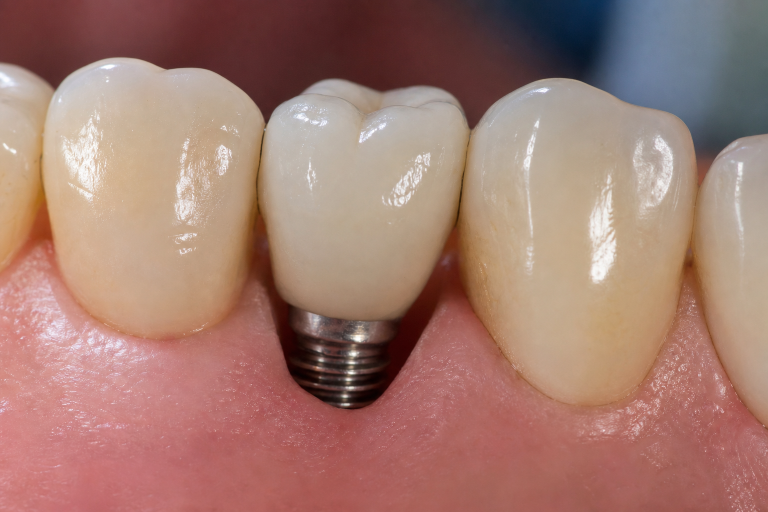
Dental implants are posts placed in the jaw that may support a single crown, bridge, or larger restoration. Because implant treatment involves surgery and healing, the process may take longer than a conventional removable appliance. The final design should account for bite pressure, available bone, gum health, and the patient’s ability to maintain daily hygiene.
How The Options Compare
Instead of focusing on whether a treatment is removable or fixed, compare what each choice means in daily life.
- Traditional dentures: Often appropriate for replacing many or all teeth without implant placement. They require removal for cleaning and may need periodic fit adjustments.
- Partial dentures: Can restore several gaps while preserving remaining teeth. Supporting teeth need ongoing care and regular exams.
- Fixed bridges: May be useful for a smaller area of missing teeth. Cleaning beneath the replacement teeth is an important daily step.
- Single-tooth implants: Can replace an individual missing tooth without using neighboring teeth as bridge supports. Healing and surgical planning are part of the process.
- Implant-supported dentures: Provide a removable full-arch option that connects to implants for added retention and stability.
Where Implant-Supported Dentures Fit
Implant-supported dentures can offer a middle ground between a conventional denture and a fully fixed full-arch restoration. The denture is removable, but it attaches to implants placed in the jaw. This connection may reduce the movement that some people experience with a traditional denture during eating or speaking. That added retention does not make the appliance maintenance-free. The denture must still be removed and cleaned, and the attachment areas need attention at home and during dental visits. As outlined in the American Dental Association’s guidance on denture care and maintenance, removable dentures should be cleaned regularly, and a poor fit should be evaluated rather than managed with extra adhesive. The number and placement of implants can vary. The lower and upper arches may have different needs due to bone shape, bite forces, and the design of the final restoration. A personalized plan is more reliable than assuming every implant-supported denture follows the same formula.
Health Factors That May Affect Candidacy
A consultation typically includes a health history, an examination of the teeth and gums, a bite evaluation, and imaging when appropriate. These steps help identify factors that could change the timing or design of treatment.
- Jawbone volume and density
- Active gum disease, infection, or untreated decay
- Smoking, vaping, or other nicotine use
- Diabetes control and general healing ability
- Medications that affect bone metabolism or recovery
- Teeth grinding, clenching, or heavy bite forces
- Ability to clean the restoration consistently
- Comfort with removable versus fixed teeth
These factors do not automatically rule out a treatment. They may mean that gum care, bone treatment, medical coordination, or a different restoration design should come first.
Cost, Care, And Long-Term Planning
The quoted fee is only one part of the decision. Ask whether the estimate includes examinations, imaging, extractions, bone procedures, temporary teeth, final restorations, adjustments, and follow-up visits. Also, ask what repairs might be expected years later, such as replacing a worn denture tooth, repairing a bridge, or servicing an attachment. Daily care matters as much as the initial procedure. Removable appliances should be cleaned as directed and handled carefully to avoid damage. Fixed bridges and implant restorations need brushing around every surface, including hard-to-reach areas. If adhesive is part of your routine, follow the product directions and remember that the safe use of denture adhesive does not replace an evaluation of a denture that has become loose, painful, or unstable.
Questions To Ask Before Treatment
- Which options match the current health of my mouth?
- Will the final restoration be removable, fixed, or a combination of both?
- How many visits and how much healing time should I expect?
- Will I need bone or gum treatment before the restoration is made?
- How could this option affect eating, speaking, and cleaning?
- What maintenance visits and future repairs should I plan for?
- What are the risks, alternatives, and total expected costs?
A Practical Way To Move Forward
The strongest tooth replacement decision balances health, function, appearance, comfort, treatment time, and future maintenance. Avoid choosing based only on a low starting price or a promise that sounds too simple. A careful examination and an honest discussion of your daily needs can make the choice clearer and help create a plan that remains comfortable and practical for years to come.
Conclusion
Choosing a tooth replacement option is ultimately about finding a solution that fits your health, comfort, lifestyle, budget, and long-term goals. Dentures, bridges, dental implants, and implant-supported dentures each offer different benefits and maintenance requirements, so there is no single option that is best for everyone. A thorough dental evaluation can help determine which treatments are realistic based on your gums, bone support, bite, remaining teeth, and daily habits. Before deciding, consider the complete cost, expected treatment timeline, cleaning routine, future repairs, and follow-up care rather than focusing only on the starting price. Asking clear questions and comparing realistic treatment plans can make the decision easier and more informed. The right restoration should not only replace missing teeth but also support comfortable eating, clear speech, confidence, and a manageable daily routine for years to come.