
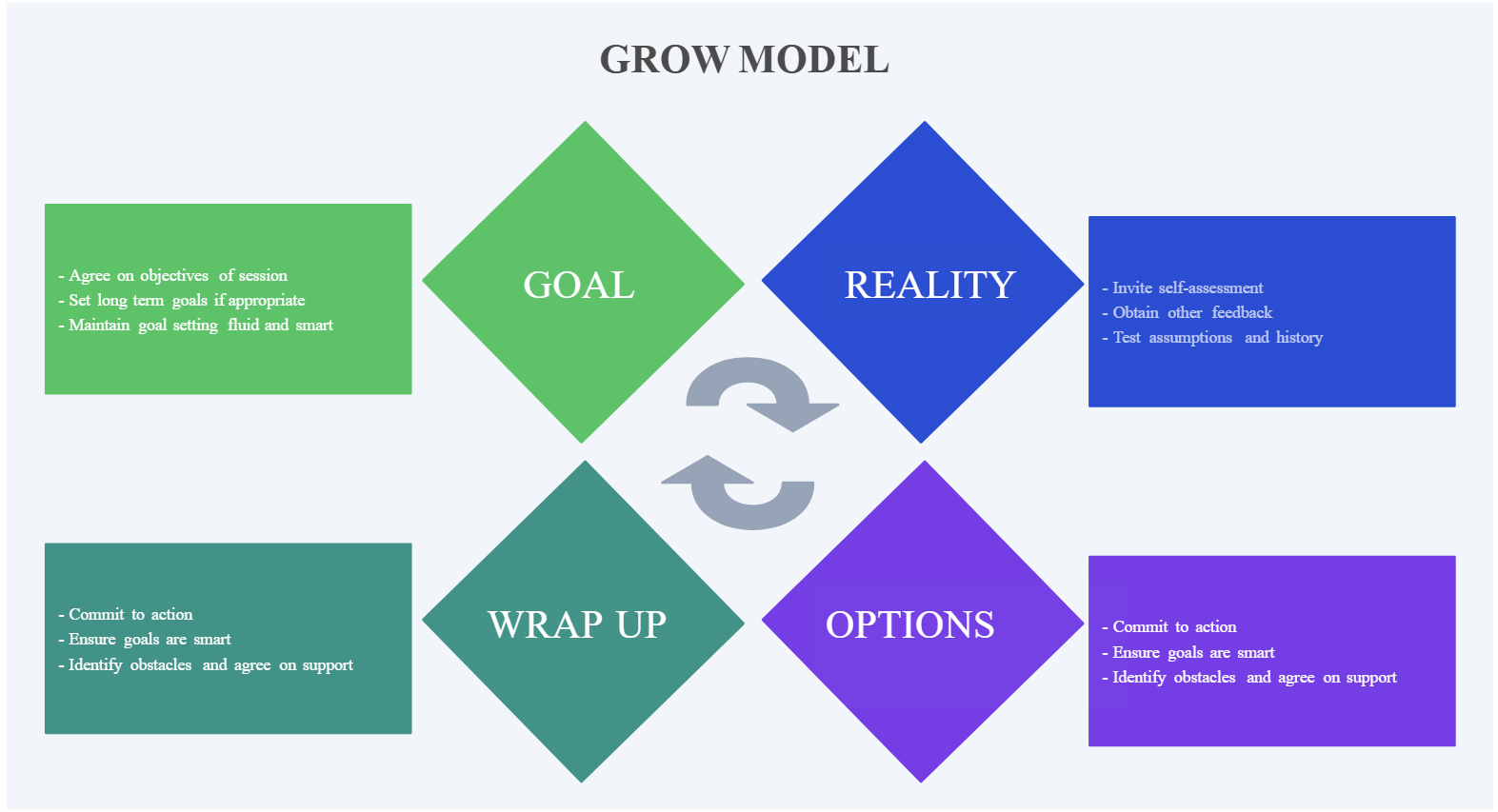
Entrepreneurs rarely build successful companies completely on their own. Even the most talented founders need advice, practical feedback, strong connections, and someone who can challenge their thinking at the right moment. This is where understanding the endeavor mentorship program structure becomes useful. A well-designed mentorship system can give entrepreneurs access to experienced business leaders while helping them make better decisions as their companies grow.
The Endeavor model is particularly interesting because mentorship is not treated as a one-time conversation or a simple networking opportunity. Instead, it can be viewed as part of a broader entrepreneurial support system. The goal is to connect ambitious founders with people who have already faced difficult business decisions and can provide practical perspectives based on real experience.
For entrepreneurs, the value of this structure goes beyond receiving answers. Good mentorship encourages founders to ask better questions, examine assumptions, identify opportunities, and develop the confidence needed to lead a growing company. Understanding how such a structure works can also help founders determine whether a mentorship program fits their stage, goals, and expectations.
What Is the Endeavor Mentorship Program Structure?
The endeavor mentorship program structure can be understood as a framework designed to connect entrepreneurs with experienced mentors and business professionals. Rather than relying on a single mentor for every issue, the approach can involve multiple perspectives depending on the entrepreneur’s needs, business stage, and challenges.
This type of structure recognizes that entrepreneurship involves many different areas of expertise. A founder may understand a product extremely well but need help with hiring, international expansion, fundraising, sales strategy, leadership, or corporate governance. Having access to people with different backgrounds can make mentorship considerably more useful.
Another important characteristic is the emphasis on relationship building. Effective mentorship is not simply about scheduling meetings and exchanging advice. It depends on trust, honesty, preparation, and consistent communication. When entrepreneurs are comfortable discussing both successes and problems, mentors can provide more relevant and constructive guidance.
How Entrepreneurs and Mentors Are Matched
One of the most important parts of any mentorship program is matching. A founder and mentor do not necessarily need to have identical professional backgrounds. In fact, different experiences can sometimes create more valuable conversations. What matters is whether the mentor has knowledge that can address the entrepreneur’s current challenges.
A strong matching process may consider factors such as industry experience, company growth stage, leadership requirements, strategic objectives, and geographic expansion plans. The entrepreneur’s personality and communication style can also matter because mentorship works best when both sides can communicate openly.
For example, a founder preparing to enter international markets might benefit from someone who has already expanded a business across borders. Another founder may need a mentor who understands enterprise sales or organizational scaling. Matching based on actual business needs makes the relationship more practical and focused.
The Role of Multiple Mentors
A notable advantage of a structured mentorship approach is the possibility of receiving advice from more than one experienced professional. No single entrepreneur has expertise in every aspect of business, and the same principle applies to mentors.
One mentor might specialize in finance and fundraising, while another has deep experience in marketing, technology, operations, or leadership. This creates a broader support network around the entrepreneur instead of placing all expectations on one relationship.
Multiple perspectives can also prevent founders from becoming overly dependent on a single opinion. Entrepreneurs can compare different recommendations, evaluate the reasoning behind them, and ultimately make their own decisions. This encourages independent thinking rather than turning mentorship into instruction.
Regular Meetings and Ongoing Guidance
Mentorship becomes more effective when it is consistent. A single conversation can provide a useful idea, but ongoing interaction gives mentors an opportunity to understand how the company is developing and whether previous recommendations produced results.
Regular meetings can be used to discuss current priorities, obstacles, performance indicators, hiring decisions, strategic plans, or upcoming opportunities. The exact schedule can vary, but consistency helps maintain momentum and accountability.
The best meetings are usually prepared rather than spontaneous. Entrepreneurs can identify two or three important questions before a session and provide enough context for the mentor to understand the situation. This allows limited meeting time to be used for meaningful discussion rather than basic background explanations.
Goal Setting Within the Mentorship Structure
Clear goals give mentorship direction. Without goals, conversations can easily become broad discussions about business without producing meaningful action.
An entrepreneur might establish goals related to revenue growth, customer acquisition, fundraising, team development, product expansion, or international market entry. The mentor can then help the founder evaluate possible strategies and identify risks.
Goals should also be realistic enough to measure. Instead of simply deciding to “grow the business,” a founder might focus on improving sales conversion, building a leadership team, entering a specific market, or preparing for a particular funding milestone. Specific objectives make it easier to determine whether mentorship is creating practical value.
Peer Learning and Entrepreneurial Networks
Mentorship programs can provide another benefit that is sometimes overlooked: peer learning. Entrepreneurs often learn a great deal from other founders who are experiencing similar challenges.
Peer relationships can create a safe environment for discussing problems that may be difficult to explain to employees, investors, or customers. Founders can share lessons about hiring mistakes, operational challenges, product launches, fundraising experiences, and leadership pressures.
The broader network can also create opportunities for collaboration. Entrepreneurs may discover potential partners, customers, investors, advisors, or talent through relationships developed within an entrepreneurial community. In this sense, mentorship can contribute to a much larger professional ecosystem.
Why Feedback Is Central to Effective Mentorship
Honest feedback is one of the most valuable components of a strong mentorship relationship. Entrepreneurs are often surrounded by people who have an interest in seeing their company succeed, which can sometimes make objective criticism difficult to find.
A good mentor can challenge assumptions without undermining the founder’s confidence. Instead of simply agreeing with every decision, the mentor can ask why a particular strategy was chosen, what evidence supports it, and what could happen if circumstances change.
Constructive feedback is especially valuable when founders are considering major decisions. A mentor may identify a risk the entrepreneur has overlooked or suggest an alternative approach based on previous experience. The final decision remains with the entrepreneur, but better questions can lead to better decisions.
Measuring the Success of a Mentorship Program
The success of a mentorship program should not be measured only by the number of meetings completed. Quantity does not automatically equal quality.
More meaningful indicators include whether entrepreneurs are making better strategic decisions, developing stronger leadership skills, expanding their networks, reaching business milestones, and becoming more capable of handling complex challenges independently.
Personal development also matters. A founder who becomes more confident in hiring, negotiation, delegation, communication, and strategic planning may gain enormous value even if that improvement cannot immediately be expressed as a financial metric.
What Entrepreneurs Should Bring to the Relationship
Mentorship is a two-way commitment. Entrepreneurs who want to get the most from a structured program should arrive prepared, honest, and willing to listen.
It is helpful to bring current business information, specific questions, and a clear explanation of the problem being discussed. Saying “sales are not growing” is less useful than explaining where the sales process is breaking down and what experiments have already been attempted.
Founders should also be willing to act on useful advice. Mentors can provide experience and perspective, but they cannot implement every recommendation themselves. Turning conversations into action is ultimately the entrepreneur’s responsibility.
Common Challenges in Mentorship Programs
Even well-designed mentorship programs can face challenges. One common problem is poor communication between mentors and entrepreneurs. If expectations are unclear, both sides may become frustrated.
Another challenge is advice that is too generic. A mentor may have achieved impressive results in the past, but a strategy that worked for one company may not automatically work for another. Entrepreneurs need to understand the reasoning behind advice and adapt it to their own circumstances.
Time can also become an issue. Experienced mentors are often busy, while entrepreneurs may need guidance quickly. Establishing clear communication expectations from the beginning can help reduce misunderstandings and keep the relationship productive.
How the Structure Benefits Growing Entrepreneurs
The biggest advantage of a structured mentorship model is that it gives entrepreneurs access to experience they may not yet possess themselves. Instead of learning every lesson through trial and error, founders can benefit from people who have already encountered similar situations.
Mentorship can also expand an entrepreneur’s perspective. Founders often become deeply focused on their own company, making it difficult to recognize weaknesses or alternative opportunities. An experienced outside perspective can provide valuable distance.
Perhaps most importantly, a strong mentorship structure encourages long-term development. The objective is not simply to solve today’s problem. It is to help entrepreneurs become stronger decision-makers who can handle tomorrow’s challenges with greater independence.
Final Thoughts on Endeavor Mentorship Program Structure
The endeavor mentorship program structure highlights an important principle in entrepreneurship: experienced guidance can accelerate learning. A well-organized program combines mentoring, networking, feedback, goal setting, and peer interaction to create a broader support system for ambitious founders.
The strongest mentorship relationships are built on preparation, trust, honest communication, and action. Entrepreneurs should not expect mentors to provide a perfect answer to every business problem. Instead, they should use mentorship to gain perspective, challenge assumptions, learn from experience, and make more informed decisions.
Ultimately, the real value of mentorship is measured by what happens after the conversation ends. When entrepreneurs take useful insights and turn them into better strategies, stronger teams, and smarter decisions, mentorship becomes much more than advice. It becomes a practical part of the journey toward sustainable entrepreneurial growth.
You May Also Read: Wordmaticz