
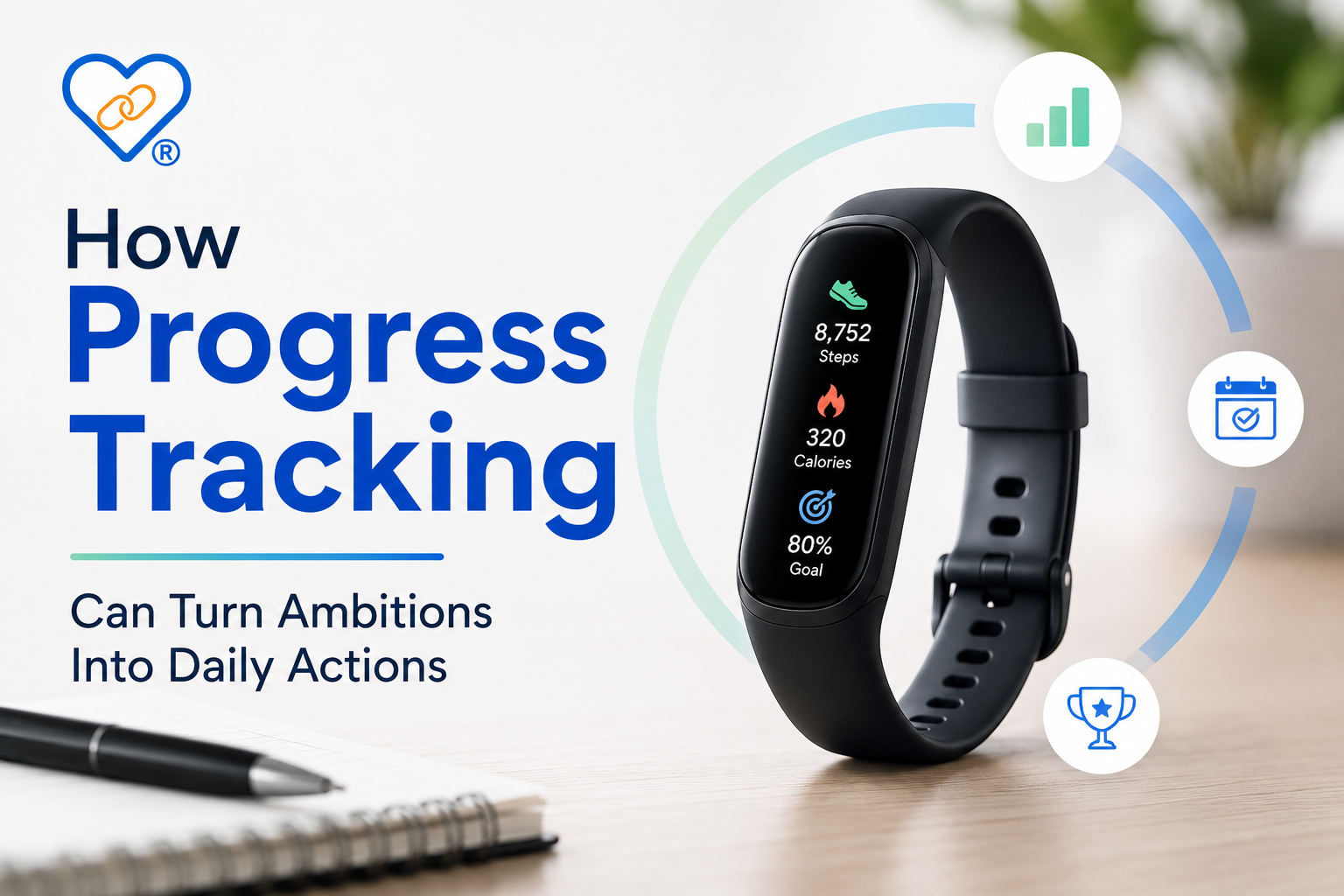
Turning an ambition into reality often depends less on having a perfect plan and more on taking consistent action. Whether the goal is improving focus, building healthier routines, learning a new skill, or making time for personal growth, progress can feel difficult to measure when the destination seems far away. This is where a personal goal tracker can help by making intentions more visible, manageable, and easier to follow from one day to the next.
Why Ambitions Often Remain Ideas
Most people have goals they genuinely care about, yet good intentions can lose momentum when everyday responsibilities take priority. A large goal may also feel overwhelming because it does not clearly explain what needs to happen today.
For example, wanting to become more physically active is an ambition, but it does not automatically create a routine. Breaking that ambition into smaller actions, such as taking a walk, stretching for ten minutes, or setting aside time for movement, makes it easier to begin.
Progress tracking supports this shift. Instead of focusing only on the final outcome, people can pay attention to the actions that gradually move them forward.
Making Progress Easier to See
One of the most useful aspects of tracking is visibility. When progress remains invisible, it is easy to underestimate how much effort has already been invested. Recording small achievements creates a clearer picture of consistency over time.
A tracking system can help people recognize patterns such as:
- Which habits are becoming more consistent
- Where motivation tends to decrease
- Which daily actions contribute most to a larger goal
- How small improvements accumulate over several weeks
This does not mean every day needs to be highly productive. Some days will naturally be slower than others. The value comes from observing the overall direction rather than judging progress based on a single day.
Turning Big Goals Into Daily Actions
A goal becomes more practical when it can be connected to something specific. Instead of saying, “I want to improve my focus,” someone might decide to spend 20 minutes each morning working without distractions.
Similarly, a goal related to personal development could become a commitment to read a few pages each evening or spend a set amount of time practicing a skill.
This approach creates a simple connection:
Ambition → smaller objective → daily action → measurable progress
Once that connection becomes familiar, progress tracking can become less about recording numbers and more about creating awareness. The person begins to understand what actions support the goal and which habits may be getting in the way.
The Role of Technology in Personal Progress
Digital tools have made tracking more convenient than ever. Instead of relying entirely on notebooks or memory, people can use apps and wearable technology to monitor routines, reminders, activities, and other personal metrics.
Wearables can be particularly useful because they fit naturally into everyday life. A dream band wearable, for example, can become part of a broader wellness routine where technology supports awareness and engagement with personal goals.
The purpose of technology should not be to make people constantly monitor themselves. Rather, it can provide gentle reminders and useful information that helps individuals stay connected to what they are trying to accomplish.
Tracking Without Creating Pressure
There is an important difference between using progress tracking as a supportive tool and becoming overly focused on achieving perfect results.
Missing a day does not erase previous progress. In fact, treating occasional setbacks as useful information can make a tracking routine more sustainable. Instead of asking, “Why did I fail?” it can be more productive to ask, “What made this difficult, and what could I change next time?”
This mindset turns tracking into a learning process.
A person may discover that their routine works better in the morning, that distractions increase at certain times, or that a goal needs to be divided into smaller steps. These observations can lead to practical adjustments without creating unnecessary pressure.
Building Motivation Through Small Wins
Motivation can fluctuate, but visible progress can provide a useful sense of direction. Completing a small action may not seem significant on its own, yet repeated actions can gradually create meaningful change.
For instance, someone working toward a writing goal might begin with a few paragraphs each day. Someone developing a mindfulness habit might start with several quiet minutes rather than expecting a long session immediately.
These small wins reinforce the idea that progress does not always require dramatic changes. Consistency often develops through manageable commitments that fit realistically into everyday life.
Creating a Sustainable Progress System
An effective tracking routine should be simple enough to maintain. If recording progress becomes complicated, it can quickly turn into another task rather than a helpful habit.
A practical approach is to choose a small number of meaningful indicators. These might include completed habits, time spent on an activity, personal milestones, or reflections on how the day went.
It is also helpful to review progress periodically rather than constantly. A weekly review, for example, can provide enough perspective to identify what worked, what did not, and what deserves attention in the coming days.
The goal is not to create a perfect record. The goal is to create enough awareness to make better decisions.
From Intention to Action
Ambitions become more achievable when they are translated into actions that can actually be completed. Progress tracking provides a bridge between the two by helping people see what they have done, understand their patterns, and make adjustments along the way.
Used thoughtfully, a personal goal tracker can encourage greater awareness without turning personal growth into a competition. The most valuable progress may not always appear as a dramatic milestone. Sometimes it is simply the decision to continue, improve one small habit, or take another step toward something meaningful.
Dirac Links reflects the broader idea that technology can support personal growth by making wellness and goal-oriented experiences more engaging. Ultimately, meaningful progress comes from combining clear intentions with consistent actions that fit into real life.