Key Takeaways
- Public demonstrations can bring private concerns into public view.
- Clear goals and organized follow-up matter more than crowd size alone.
- Accessible planning helps more Washington, DC residents participate safely.
- Digital outreach can expand awareness, but local relationships sustain action.
- Progress can be measured through participation, responses, and continued work.
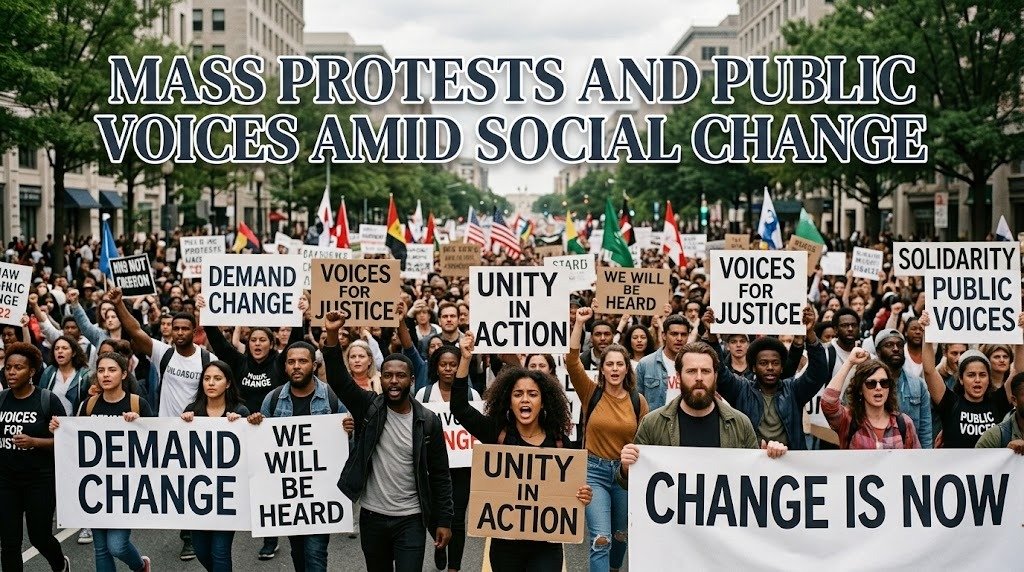
Washington, DC, is a place where local concerns and national debates often meet in the same public spaces. The legacy of the March on Washington in 1963 remains a reminder that public gatherings can help communities make urgent concerns visible, connect personal experiences to shared demands, and invite more people into civic life.
In 2026, a march, rally, vigil, or neighborhood meeting should be understood as one tool among many. Voting, public testimony, conversations with elected officials, volunteer work, legal advocacy, and mutual-aid efforts can all reinforce a public demonstration. The event itself may create attention, but steady follow-through is what turns attention into community action.
Why Public Demonstrations Still Matter
Demonstrations give people a visible way to show that an issue affects more than one household or block. In a city shaped by federal institutions, neighborhood organizations, universities, advocacy groups, and public agencies, visibility can encourage decision-makers and neighbors to take a concern seriously.
A large gathering does not guarantee an immediate policy change. Still, it may help residents find one another, build confidence, clarify public concerns, or attract people who can contribute skills and time. A small action outside a Ward office, at a community gathering, or in a public park can matter when it connects to a realistic next step.
From Shared Concern to Shared Goal
Strong public action begins by moving from a broad frustration to a clear goal. “Housing costs are too high” or “our streets feel unsafe” may describe real worries, but participants also need to know what change they are asking for and who can act on it.
- Name the problem in plain, specific language.
- Identify the agency, institution, business, or official with authority to respond.
- Set one or two demands that people can repeat accurately.
- Choose an action that fits the goal, such as a rally, hearing, march, or meeting.
- Decide on the next action before participants leave.
The Building Blocks of a Strong Public Action
Successful gatherings rarely happen through a single social post. They rely on trusted coordinators, shared responsibilities, reliable communication, volunteer support, and a message that relates to everyday life in the District. A tenant, parent, worker, student, or small-business owner may join when the issue is explained in terms they recognize.
Location also shapes the plan. The National Mall is a powerful civic setting, but it has specific rules and protected areas. The National Mall demonstration requirements state that larger demonstrations require planning for permits, participant safety, resource protection, and possible coordination of marches. Neighborhood locations may better serve a campaign when residents need a shorter trip, familiar surroundings, or direct access to a local decision-maker.
The Role of Stories, Speeches, and Symbols
Personal stories can make an abstract issue understandable. A brief account of a long commute, an inaccessible bus stop, a delayed benefit, or a family struggling to remain in its neighborhood can show how public decisions affect daily life. Speakers should have consent to share their experiences and should not feel pressured to reveal private details.
Signs, chants, speeches, and visuals work best when they reinforce one central message. A memorable phrase can unite a crowd, but slogans should not replace explanation. Participants should be able to tell a reporter, neighbor, or official what they want changed and why it matters.
Making Civic Action More Inclusive
Washington, DC, public actions are stronger when people with different abilities, languages, schedules, and levels of civic experience can contribute. Not every supporter can stand for hours, use a smartphone, travel across the city, or attend after work.
- Share meeting points, transit options, timing, and weather plans early.
- Provide seating, water, shade, rest breaks, and accessible routes when possible.
- Use large, readable signs and plain language.
- Arrange language interpretation when community needs and resources allow.
- Create remote roles, such as phone outreach, design, research, food preparation, or follow-up calls.
Digital Tools and the Risk of Short-Term Attention
Group chats, email lists, text messages, livestreams, and social platforms can quickly spread event details. They can also help organizers correct rumors, share transportation updates, and welcome people who first learn about an issue online.
However, online attention can fade without a clear invitation to act. Every post should point supporters toward a useful next step, such as attending a local meeting, contacting an office, joining a volunteer team, or signing up for future updates. A dependable contact list is usually more valuable than a brief spike in views.
Safety, Rights, and Responsible Planning
Responsible organizers review the rules for their chosen location, assign volunteer roles, prepare emergency contacts, and avoid sharing unverified claims. In DC, public-space events can involve different agencies depending on the activity and location. The District’s event-permit guidance can help organizers identify planning responsibilities before they announce a route or gathering point.
Planning should answer practical questions, such as: Who gives participants updates? What happens if the weather changes? Who assists children, older adults, and disabled participants? Who documents the event, and how will photos or contact details be handled respectfully? Clear answers reduce confusion and help volunteers focus on welcoming participants.
Turning a One-Day Gathering into Long-Term Work
The most useful demonstration ends with a path forward. Within a few days, organizers can thank volunteers, share an accurate recap, record questions, and invite people to the next meeting. They can also track responses from agencies or officials and decide whether public testimony, neighborhood outreach, voter engagement, education, or direct meetings will best advance the goal.
How to Measure Whether Civic Action Worked
Success is not only a head count. A practical scorecard asks whether the message reached new people, whether participants took another step, whether affected communities were represented, whether decision-makers responded, and whether the coalition remained active. These measures reveal whether a gathering built durable civic capacity rather than only a memorable moment.
Why Respectful Dialogue Supports Public Action
Public pressure and respectful conversation can work together. A demonstration can bring attention to an overlooked concern, while follow-up discussions can answer questions, reduce misunderstandings, and broaden support. Listening does not require abandoning a clear demand. It helps organizers understand what neighbors need to participate.
Common Questions About Public Demonstrations
Can a small demonstration make a difference?
Yes. A small gathering can build local relationships, draw attention to a specific decision, and prepare participants for larger action. Its impact depends on focus, communication, and follow-up.
How can people help if they cannot attend?
They can share verified information, offer rides, translate materials, prepare supplies, help with outreach, contact officials, or support the next phase of the campaign.
What makes a public message persuasive?
A persuasive message is specific, truthful, easy to repeat, connected to lived experience, and paired with an action people can take.
Conclusion: Public Voice Becomes Stronger Through Follow-Through
In Washington, DC, public demonstrations can create an important opening for civic participation. Their lasting value comes from trust, access, clear demands, careful planning, and continued work after the signs are put away. When a gathering helps people move from concern to shared responsibility, it can strengthen both public voice and community action.