Choosing the right business software is one of the most important decisions an organisation can make. The systems a company uses every day influence productivity, collaboration, reporting, and overall efficiency. As businesses grow, relying on disconnected applications often leads to duplicated work, inconsistent data, and unnecessary delays. Selecting a solution that supports both current operations and future growth is essential for long-term success.
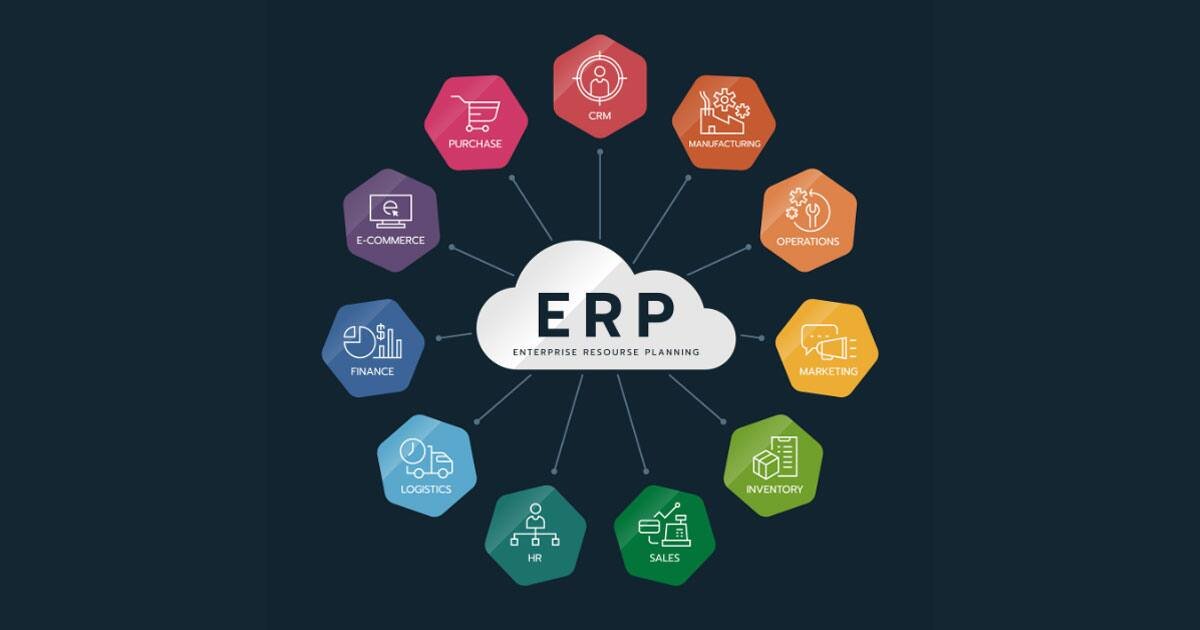
Many organisations evaluate Enterprise Resource Planning Tools because they offer a central platform for managing multiple business functions. Rather than operating separate systems for finance, inventory, purchasing, sales, human resources, and operations, an ERP solution brings these processes together. However, with many options available, choosing the right platform requires careful planning rather than simply selecting the most popular product.
Understand Your Business Requirements
Before comparing software vendors, businesses should identify the challenges they want to solve. Every organisation has different priorities, so understanding operational needs is the first step toward making a successful investment.
Some businesses may need stronger inventory management, while others may focus on financial reporting, purchasing, manufacturing, or project management. Creating a clear list of priorities helps narrow the available options and ensures that the selected solution supports the company’s objectives.
Involve Key Departments Early
ERP software affects multiple areas of the business, making it important to involve representatives from different departments during the selection process. Finance teams, operations managers, sales staff, procurement specialists, and IT professionals often have different requirements.
Gathering feedback from these stakeholders helps identify essential features and reduces the risk of choosing software that only meets the needs of one department while creating challenges for others.
Evaluate Core Features Carefully
Every ERP solution offers different capabilities, but businesses should focus on features that provide long-term value rather than selecting software based on the number of available functions.
Important areas to evaluate include financial management, inventory control, purchasing, reporting, workflow automation, customer management, project tracking, and supply chain support. The right combination depends on the organisation’s size, industry, and operational complexity.
Consider Integration Capabilities
Most businesses already use a variety of software applications, including payroll systems, customer relationship management platforms, eCommerce solutions, and communication tools.
Selecting an ERP platform that integrates smoothly with existing systems reduces manual data entry and improves information sharing across departments. Strong integration capabilities also minimise disruption during implementation and improve operational efficiency.
Think About Future Growth
Business needs rarely remain the same. Companies may expand into new markets, hire additional employees, introduce new products, or open multiple locations over time.
Choosing software that can scale alongside the organisation helps avoid costly replacements in the future. A flexible ERP platform should support additional users, increased transaction volumes, and new business processes without requiring major system changes.
Prioritise Ease of Use
Even the most advanced software delivers limited value if employees find it difficult to use. A user-friendly interface encourages faster adoption, reduces training time, and helps teams become productive more quickly.
During software evaluations, businesses should request demonstrations and allow employees to explore the platform. Practical experience often provides valuable insights that cannot be gained from product brochures alone.
Review Security and Compliance Features
ERP systems store valuable financial, operational, and customer information, making security an essential consideration. Businesses should look for features such as role-based user permissions, encrypted data storage, activity logs, secure authentication, and regular system updates.
Strong security measures not only protect sensitive information but also help organisations meet industry regulations and maintain customer confidence.
Assess Vendor Support and Training
Implementing ERP software is an ongoing process rather than a one-time purchase. Reliable vendor support plays an important role throughout implementation, employee training, and future system updates.
Businesses should evaluate the quality of technical support, available training resources, implementation assistance, and software maintenance services before making a final decision. Responsive support can significantly reduce downtime and improve long-term success.
Compare Total Value Instead of Initial Cost
Price is naturally an important factor, but focusing only on the lowest subscription cost may lead to expensive compromises later. Businesses should consider implementation costs, training, future scalability, support quality, and available functionality when comparing different solutions.
Investing in software that meets business requirements and supports future growth often provides greater long-term value than selecting the cheapest option available.
Final Thoughts
Selecting the right ERP solution requires careful planning, thorough research, and a clear understanding of business objectives. By evaluating operational needs, comparing essential features, involving key stakeholders, and planning for future growth, organisations can choose a platform that improves efficiency and supports sustainable success.
Businesses looking to compare software solutions, explore detailed reviews, and make informed technology decisions can benefit from resources like App Finder Guru, which provides valuable insights to help organisations identify ERP platforms that align with their operational goals and long-term growth strategies.