Table of Contents
1. Introduction: Beyond the Basic Branded Pen
2. Understanding Your Audience: The Cornerstone of Effective Merchandise
3. Defining Your Brand Story and Objectives
4. The Power of Quality and Utility: Making Merchandise Matter
5. Navigating the UK Market: Trends, Regulations, and Suppliers
6. Sustainable and Ethical Sourcing: A Modern Imperative
7. Design and Customisation: Crafting a Visual Identity
8. Distribution and Impact Measurement
9. Strategic Investment: Maximising Your Merchandise ROI
10. The Future of Corporate Gifting: Innovation and Personalisation
Introduction: Beyond the Basic Branded Pen
In the competitive landscape of the UK business world, corporate merchandise is far more than just a giveaway; it is a tangible extension of your brand identity, a silent ambassador, and a powerful tool for connection. While the ubiquitous branded pen or generic keyring still exists, the modern approach to corporate gifting demands a thoughtful, strategic, and often innovative perspective. This guide will delve deep into the art and science of curating memorable corporate merchandise in the UK, moving beyond the superficial to explore how businesses can leverage these physical touchpoints to build stronger relationships, enhance brand perception, and achieve measurable objectives.
The goal is not merely to affix a logo to an item, but to create something genuinely valued by the recipient, something that resonates with your brand’s ethos and leaves a lasting positive impression. From employee recognition to client appreciation, marketing campaigns to event giveaways, each piece of merchandise presents an opportunity to communicate your values and reinforce your message.
Understanding Your Audience: The Cornerstone of Effective Merchandise
Before even considering product types or design, the most critical step in curating memorable corporate merchandise is a profound understanding of your intended recipients. Generic items often fall flat because they fail to connect with the individual. Tailoring your merchandise to specific audience segments ensures relevance and maximises impact.
Defining Your Target Segments
Consider the diverse groups you might want to reach:
1. Employees: What are their roles, interests, and daily needs? Merchandise for employees could range from practical office supplies to wellness items or experiences that foster team spirit.
2. Key Clients and Partners: What is their industry, their corporate culture, and their relationship with your business? High-value clients often appreciate premium, thoughtfully selected items that reflect the strength of the partnership.
3. Prospective Clients/Leads: What message do you want to convey about your brand at an initial touchpoint? Merchandise here might be designed to spark interest and provide a useful reminder of your offering.
4. Event Attendees: What is the nature of the event (conference, trade show, product launch)? Items for events should ideally be relevant to the event’s theme or provide immediate utility.
5. Influencers/Media: What kind of items would genuinely impress them and encourage positive coverage or advocacy? These might be exclusive, high-end, or highly customised pieces.
Researching Preferences and Demographics
To truly understand your audience, engage in active research. This could involve:
1. Surveys and Feedback: Directly ask employees or a sample of clients about their preferences for corporate gifts.
2. Observational Data: Pay attention to what items are popular within your industry or among your target demographic.
3. Demographic Analysis: Consider age, gender, lifestyle, and professional roles. A tech-savvy millennial might appreciate a portable charger, while a senior executive might prefer a high-quality notebook or a gourmet food hamper.
4. Psychographic Insights: Understand their values, interests, and aspirations. If your audience is environmentally conscious, sustainable merchandise will resonate strongly.
By investing time in this initial audience analysis, you lay the groundwork for merchandise that is not just received, but genuinely appreciated and used.
Defining Your Brand Story and Objectives
Memorable merchandise does not just carry a logo; it tells a story. It embodies your brand’s personality, values, and mission. Before selecting any items, clearly articulate what you want your merchandise to achieve and what aspects of your brand you wish to highlight.
Articulating Your Brand’s Essence
Think about your brand’s core identity:
1. Values: Is your brand innovative, reliable, sustainable, luxurious, community-focused, or playful? Your merchandise should reflect these attributes.
2. Personality: Is your brand formal or casual, traditional or modern, bold or understated?
3. Mission: What problem does your business solve, or what positive impact does it aim to make?
For example, a tech company focused on innovation might opt for sleek, cutting-edge gadgets, while an eco-friendly brand might choose reusable items made from recycled materials. The items themselves become a physical manifestation of your brand narrative.
Setting Clear Objectives
Every piece of corporate merchandise should serve a purpose. Define specific, measurable, achievable, relevant, and time-bound (SMART) objectives:
1. Brand Awareness: To increase recognition and recall among a target audience.
2. Lead Generation: To attract new prospects at events or through direct mail.
3. Client Loyalty/Retention: To show appreciation and strengthen existing relationships.
4. Employee Engagement/Motivation: To foster a positive company culture and recognise achievements.
5. Marketing Campaign Support: To amplify a specific message or product launch.
6. Sustainability Promotion: To highlight your company’s commitment to environmental responsibility.
These objectives will guide your product selection, design choices, and distribution strategy, ensuring that your investment in merchandise yields tangible results.
The Power of Quality and Utility: Making Merchandise Matter
The perception of value is paramount. Cheap, poorly made items often do more harm than good, as they can inadvertently reflect poorly on your brand. Conversely, high-quality, useful merchandise can elevate your brand image and ensure longevity.
Prioritising Durability and Craftsmanship
When choosing items, consider:
1. Material Quality: Opt for durable, pleasant-to-touch materials. A well-made pen, a soft cotton t-shirt, or a sturdy water bottle will be used repeatedly.
2. Functionality: Does the item genuinely serve a purpose in the recipient’s life or work? Utility ensures continued exposure to your brand.
3. Aesthetics: Is the item visually appealing and well-designed, even before your logo is applied?
A product that breaks quickly or has no practical use will likely be discarded, wasting your investment and potentially creating a negative impression. The aim is to create items that become integrated into the recipient’s routine, offering sustained brand exposure.
Examples of High-Utility Merchandise
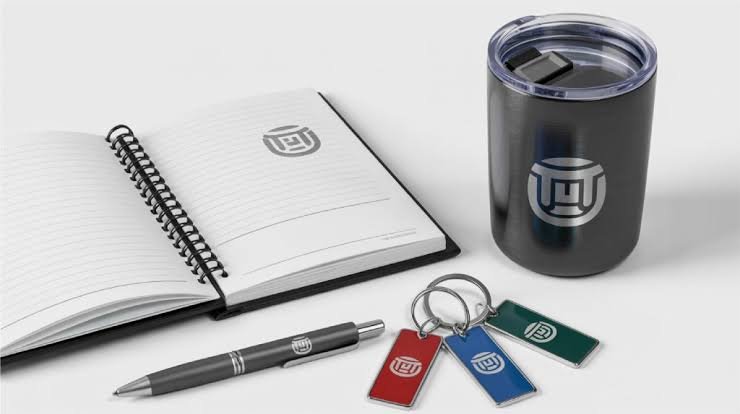
1. Premium Notebooks and Pens: Still relevant in a digital age, especially high-quality versions.
2. Reusable Water Bottles or Coffee Cups: Environmentally friendly and practical for daily use.
3. Tech Accessories: Power banks, USB drives, or wireless chargers are always appreciated.
4. Comfort Items: High-quality blankets, umbrellas, or tote bags.
5. Specialty Food and Drink: Gourmet coffee, artisanal snacks, or fine teas can create a memorable experience.
Remember, the goal is to provide something that the recipient genuinely wants to keep and use, transforming a promotional item into a valued possession.
Navigating the UK Market: Trends, Regulations, and Suppliers
The UK market has its own nuances regarding corporate merchandise. Staying abreast of current trends and understanding local regulations is crucial for successful sourcing and distribution.
Current Trends in Corporate Merchandise
1. Sustainability Focus: A significant and growing trend. Consumers and businesses in the UK are increasingly prioritising eco-friendly products.
2. Wellness and Lifestyle: Items promoting health, mindfulness, or comfort are gaining popularity.
3. Technology Integration: Smart gadgets, charging solutions, and innovative tech accessories.
4. Local and Artisan Products: Supporting local businesses and offering unique, handcrafted items can add a personal touch.
5. Experiences over Items: While not strictly merchandise, combining a physical gift with an experience (e.g., a gift voucher for a local activity) can be highly impactful.
UK-Specific Regulations and Considerations
1. VAT: Understand VAT implications for promotional goods, especially if distributing internationally.
2. Product Safety Standards: All merchandise must comply with UK safety regulations, particularly for items like toys, electronics, or food products.
3. Data Protection (GDPR): If collecting recipient data for personalised merchandise or distribution, ensure full GDPR compliance.
4. Import Duties: Be aware of potential import duties if sourcing items from outside the UK.
Choosing the Right Suppliers
Selecting a reliable supplier is paramount. Look for partners who offer:
1. Extensive Product Range: A diverse catalogue to match your needs.
2. Quality Assurance: Proof of ethical sourcing and product safety.
3. Design and Customisation Capabilities: Expertise in branding and personalisation.
4. Logistics and Fulfilment: Efficient delivery options across the UK.
5. Excellent Customer Service: Responsive and knowledgeable support.
A reputable supplier like Totally Branded, for instance, offers a vast array of customisable products, from eco-friendly options to premium tech gadgets, ensuring businesses can find the perfect fit for their brand message and audience in the UK. Their expertise in the UK market can be invaluable in navigating product selection and customisation.
Sustainable and Ethical Sourcing: A Modern Imperative
In today’s corporate climate, a commitment to sustainability and ethical practices is not just a nice-to-have; it is an expectation. Incorporating these principles into your merchandise strategy can significantly enhance your brand reputation and appeal.
The Rise of Eco-Friendly Merchandise
Consumers and businesses are increasingly conscious of their environmental footprint. Opting for sustainable merchandise demonstrates your brand’s commitment to corporate social responsibility.
1. Recycled Materials: Products made from recycled plastics, paper, or textiles.
2. Biodegradable/Compostable Materials: Items that break down naturally.
3. Reusable Products: Water bottles, coffee cups, tote bags that reduce single-use waste.
4. Sustainably Sourced Materials: Wood from certified forests, organic cotton, bamboo.
5. Energy-Efficient Production: Suppliers who use renewable energy or minimise waste in their manufacturing processes.
Clearly communicating the sustainable attributes of your merchandise can add significant value and resonate deeply with environmentally conscious recipients.
Ethical Production and Supply Chains
Beyond environmental impact, ensure your merchandise is produced ethically.
1. Fair Labour Practices: Verify that suppliers adhere to fair wages, safe working conditions, and no child labour.
2. Transparency: Work with suppliers who are transparent about their supply chain.
3. Certifications: Look for certifications like Fair Trade, Sedex, or B Corp, which indicate adherence to ethical standards.
A thoughtful approach to sustainable and ethical sourcing not only protects your brand from potential reputational damage but also positions your company as a responsible and forward-thinking entity.
Design and Customisation: Crafting a Visual Identity
Your logo is just the beginning. Effective design and thoughtful customisation transform a generic item into a powerful brand statement. This is where creativity meets strategy.
Beyond Logo Placement
While your logo is essential, consider these design elements:
1. Brand Colours: Incorporate your brand’s colour palette to ensure consistency.
2. Typography: Use fonts that align with your brand’s visual identity.
3. Messaging: Include a short, impactful slogan, QR code, or website address that adds value or prompts action.
4. Subtle Branding: Sometimes a minimalist approach, where the branding is understated yet recognisable, can be more effective and perceived as higher quality.
5. Personalisation: Where feasible, adding a recipient’s name or a custom message can make an item truly memorable and unique.
Customisation Techniques
Suppliers offer a range of customisation options:
1. Screen Printing: Ideal for bold, simple designs on textiles.
2. Embroidery: Adds a premium, tactile feel to clothing or bags.
3. Engraving/Etching: Perfect for metal, glass, or wood items, offering a sophisticated finish.
4. Debossing/Embossing: Creates a subtle, elegant raised or recessed effect on leather or paper products.
5. Digital Printing: Allows for full-colour, intricate designs on various surfaces.
The choice of customisation method should align with the product material, your budget, and the desired aesthetic. A company like Totally Branded excels in providing diverse customisation options, allowing businesses to bring their unique brand vision to life across a wide range of products, ensuring a professional and polished finish every time.
Distribution and Impact Measurement
Even the most perfectly curated merchandise will fail to make an impact if it does not reach the right hands effectively and if its success is not measured.
Strategic Distribution Channels
Consider how your merchandise will be delivered:
1. Direct Mail: Personalised packages sent directly to clients or prospects.
2. Event Giveaways: Distributed at trade shows, conferences, or corporate events.
3. Welcome Kits: For new employees, clients, or product users.
4. E-commerce/Online Store: For internal employee purchases or as part of loyalty programmes.
5. Sales Meetings/Client Visits: Handed out during in-person interactions.
6. Charitable Initiatives: Partnering with causes that align with your brand values.
Each channel requires careful planning regarding logistics, packaging, and presentation. The unboxing experience, for example, can significantly enhance the perceived value of the gift.
Measuring the Return on Investment (ROI)
While some benefits of merchandise, like brand sentiment, are intangible, efforts should be made to measure impact where possible:
1. Brand Awareness: Track website traffic, social media mentions, or survey recipients about brand recall.
2. Lead Conversion: Monitor the conversion rate of leads who received merchandise versus those who did not.
3. Employee Engagement: Conduct internal surveys or track retention rates after merchandise distribution.
4. Client Retention: Observe changes in loyalty or repeat business among clients who received gifts.
5. Social Media Engagement: Encourage recipients to share photos of their merchandise using a specific hashtag.
6. Feedback Forms: Include a small card with a QR code leading to a feedback survey.
By analysing these metrics, you can refine your merchandise strategy, optimise future campaigns, and demonstrate the tangible value of your investment.
Strategic Investment: Maximising Your Merchandise ROI
Viewing corporate merchandise as an investment rather than an expense is crucial for unlocking its full potential. A strategic approach involves budgeting wisely, understanding perceived value, and continuous refinement.
Budget Allocation and Value Perception
1. Tiered Approach: Consider different tiers of merchandise for various audience segments. High-value clients might receive premium gifts, while event attendees receive more cost-effective items.
2. Bulk Discounts: Leverage bulk purchasing to reduce per-item costs, but ensure you have adequate storage and a clear distribution plan to avoid waste.
3. Long-Term Value: Prioritise items with a long lifespan and high utility. A durable, well-loved item offers far greater ROI than a cheap, disposable one.
4. Perceived Value: The perceived value of an item often outweighs its actual cost. Thoughtful packaging, a handwritten note, or a unique story behind the product can significantly enhance its appeal.
Remember, the cheapest option is rarely the most effective. Investing in quality and relevance pays dividends in brand perception and lasting impact.
Continuous Improvement
The world of corporate merchandise is dynamic. What works today might not work tomorrow.
1. Stay Updated: Regularly research new product trends, materials, and customisation techniques.
2. Gather Feedback: Continuously solicit feedback from recipients and internal stakeholders.
3. A/B Testing: For larger campaigns, test different merchandise items or distribution methods to see which performs best.
4. Review and Adapt: Periodically review your merchandise strategy against your objectives and make adjustments as needed.
By treating merchandise as an evolving aspect of your marketing and relationship-building efforts, you ensure that your investments remain impactful and relevant.
The Future of Corporate Gifting: Innovation and Personalisation
As technology advances and consumer expectations shift, the future of corporate merchandise in the UK is moving towards greater innovation, deeper personalisation, and more meaningful experiences.
The era of generic handouts is rapidly fading. Forward-thinking companies are embracing bespoke solutions, integrating technology, and focusing on creating genuine connections. This might involve using AI to suggest personalised gift options based on recipient data, offering “choose your own gift” platforms, or even incorporating augmented reality experiences with physical merchandise.
The emphasis will increasingly be on creating a narrative around each gift, explaining its origin, its purpose, and its connection to the brand’s values. For example, a UK-based company might partner with local artisans to create unique, handcrafted items that tell a story of regional craftsmanship and support local economies, perfectly aligning with its brand values.
Ultimately, the goal remains the same: to create a tangible representation of your brand that evokes positive emotion, fosters loyalty, and strengthens relationships. By staying agile, innovative, and deeply connected to your audience, your corporate merchandise can continue to be a powerful, memorable asset in your brand-building arsenal.