
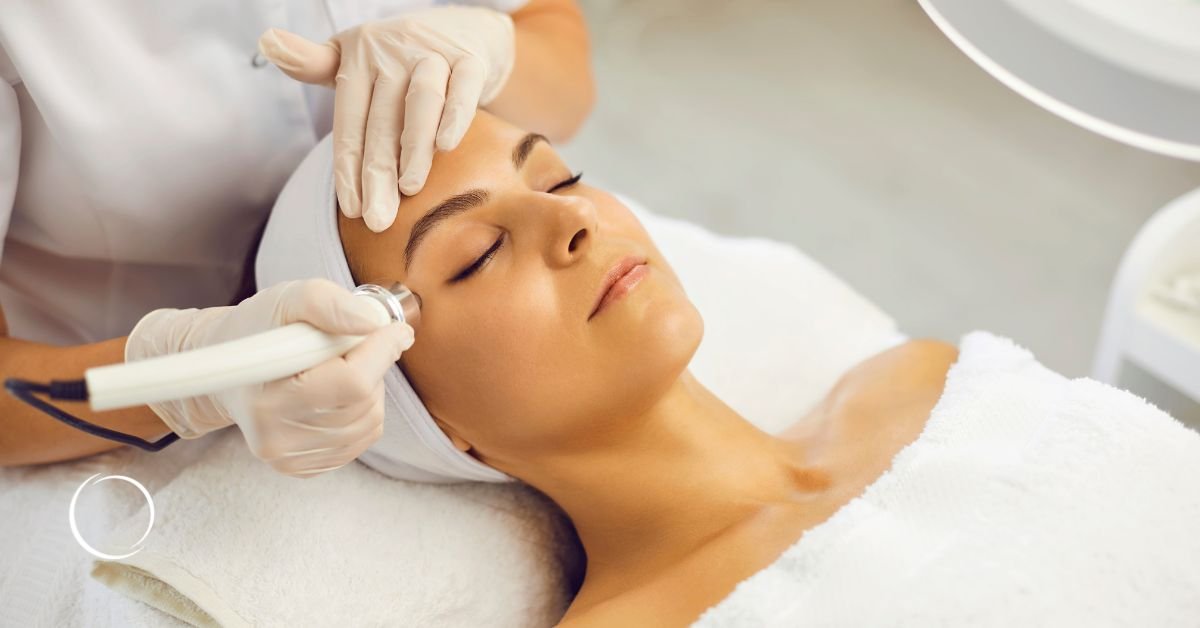
There was a time when “anti-aging” basically meant one thing: a facelift. That’s changed a lot in the last decade. Walk into most aesthetic clinics in the UAE today and you’ll find the conversation has shifted almost entirely toward non-surgical facial rejuvenation, treatments that soften lines, restore volume, and improve skin quality without a single incision.
Part of the appeal is obvious. No one particularly wants weeks of recovery, visible scarring, or the risks that come with going under a knife. But the bigger reason non-surgical options have taken over is that the results have genuinely caught up. Modern injectables, energy-based devices, and skin-boosting treatments can now deliver changes that used to require surgery, just spread across a course of sessions instead of a single procedure.
Here’s what actually makes non-surgical facial rejuvenation worth considering.
1. No Downtime, No Disruption to Daily Life
This is usually the first thing people ask about, and for good reason. Surgical facelifts can mean two to four weeks away from work and social life. Most non-surgical facial rejuvenation treatments, by comparison, let you walk out of the clinic and go straight back to your day. There might be mild redness after a laser session or slight swelling after a filler appointment, but nothing that stops you from picking the kids up from school or showing up to a meeting the next morning.
For anyone juggling a busy schedule, which, in a city like Dubai, is most people, this alone is often the deciding factor between considering surgery and never getting around to it.
2. Natural-Looking, Gradual Results
One of the biggest complaints about older cosmetic procedures was how obvious they could look. Non-surgical facial rejuvenation avoids that “done” appearance almost entirely, mostly because the changes happen gradually and are far easier to control. Botox relaxes muscle movement without freezing expression when dosed correctly. Fillers restore volume in small, targeted amounts rather than reshaping an entire face at once. Skin rejuvenation treatments like microneedling or laser resurfacing work with your skin’s own repair process instead of forcing an abrupt change.
The result tends to be that people notice you look well-rested or “different in a good way,” rather than immediately clocking that you’ve had work done. That subtlety is a major reason facial rejuvenation treatment options have overtaken more dramatic surgical routes in popularity.
3. Lower Risk Profile
Surgery always carries risk, anaesthesia complications, infection, scarring, and a recovery process that doesn’t always go as planned. Non-surgical treatments carry a much smaller risk profile overall. Most involve topical numbing at most, no general anaesthesia, and side effects that are typically limited to temporary bruising, redness, or mild swelling.
That doesn’t mean these treatments are risk-free, injectables and energy-based devices still need to be administered by someone properly trained, and complications can happen with poor technique. But compared to surgery, the margin for a minor issue turning into something serious is considerably smaller, which is part of why non-surgical anti-aging treatments have become the entry point for people who are cautious about cosmetic procedures in general.
4. Treats Multiple Concerns in One Visit
A single surgical procedure usually addresses one specific issue, sagging skin, for example. Non-surgical facial rejuvenation, on the other hand, can combine several treatments in one sitting to address multiple concerns at once. It’s common for a single appointment to include Botox for fine lines, filler for volume loss, and a skin rejuvenation treatment like a peel or microneedling session for texture and tone, all tailored to what that particular face actually needs.
This layered approach means results look more cohesive rather than one area looking noticeably “fixed” while everything around it stays the same. It’s also more efficient, one visit instead of scheduling separate procedures months apart.
5. Improves Skin Quality, Not Just Appearance
The biggest shift in this space over the last few years isn’t really about wrinkles at all, it’s about skin health. A lot of modern skin rejuvenation treatment protocols focus on boosting collagen production, improving hydration, and repairing the skin barrier from within, using tools like microneedling, radiofrequency, or biostimulator injections. The visible “anti-aging” effect is almost a byproduct of skin that’s simply functioning better.
This matters because it means results tend to hold up over time rather than fading the moment a filler dissolves. Skin that’s been treated to actually improve its underlying structure keeps looking better months after a course of sessions ends, not just for the first few weeks.
Choosing the Right Facial Rejuvenation Treatment for You
With so many non-surgical options available, the hardest part often isn’t deciding whether to go the non-surgical route, it’s figuring out which combination of treatments fits your specific concerns, skin type, and how much maintenance you’re willing to keep up with. Someone dealing mostly with volume loss needs a different plan than someone whose main concern is dull, uneven texture.
At Aesthetic Polyclinic, non-surgical facial rejuvenation plans start with an honest assessment of what’s actually causing the changes you’re seeing, rather than defaulting to whichever treatment is trending. Whether that means injectables, a skin rejuvenation treatment, or a mix of both spread across a few sessions, the goal is a face that looks like a well-rested version of you, not a different person. A consultation is the easiest way to find out what that combination looks like for your skin.
Frequently Asked Questions
1. At what age should someone start non-surgical facial rejuvenation?
There’s no fixed age. Some people start preventative Botox in their late twenties to slow the formation of deeper lines, while others don’t consider any treatment until visible volume loss or sagging shows up in their forties or fifties. It genuinely depends on individual skin and personal preference rather than a set timeline.
2. How long do results from non-surgical treatments last?
This varies by treatment. Botox typically lasts three to four months, fillers anywhere from six months to two years depending on the product and area, and skin rejuvenation treatments like microneedling or radiofrequency can show benefits for six months to a year with periodic maintenance sessions.
3. Is non-surgical facial rejuvenation painful?
Most treatments involve mild discomfort at worst. Injectables use very fine needles and numbing cream is often applied beforehand. Energy-based treatments like lasers or radiofrequency may feel warm or produce a brief snapping sensation, but nothing that requires sedation.
4. Can non-surgical anti-aging treatments replace a facelift entirely?
For moderate signs of aging, yes, often quite effectively. For significant skin laxity or advanced sagging, non-surgical options can improve appearance but may not fully replicate what surgery achieves. A proper consultation can clarify realistic expectations based on your specific concerns.
5. How do I know which facial rejuvenation treatment is right for me?
The best way is a professional skin and facial assessment. What works for volume loss won’t necessarily help with texture or fine lines, so a clinician needs to look at your specific concerns before recommending a treatment plan rather than applying a one-size-fits-all approach.