
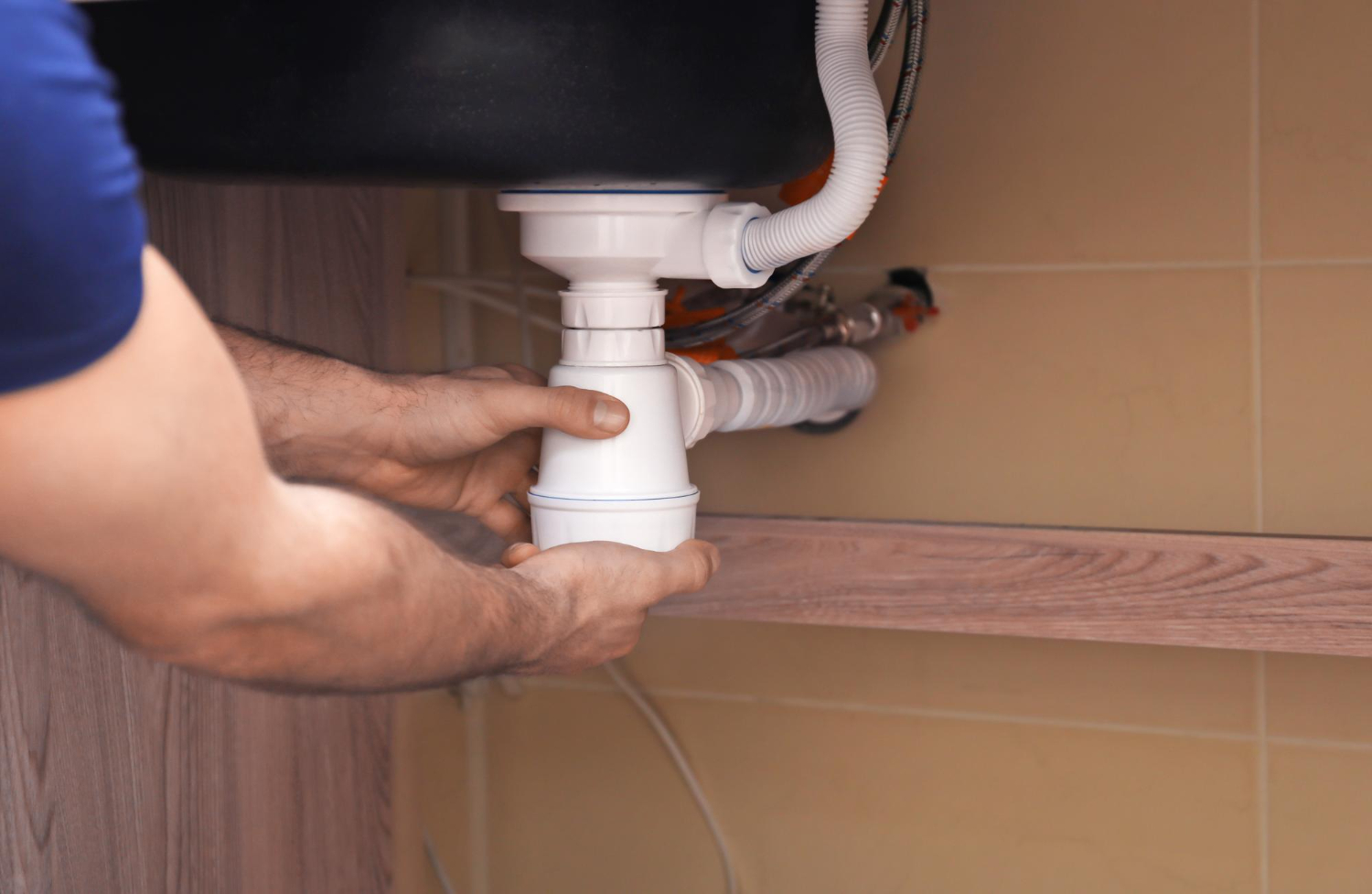
A kitchen sink that drains slowly often starts with a small inconvenience. Water lingers around the plughole, the waste pipe makes a hollow gurgle, or a stale smell appears after washing up. Many people respond with boiling water, supermarket drain cleaner, or a plunger.
Grease blockages behave differently from a loose piece of food caught near the trap. They develop as a coating along the inside of the pipe, collecting more material over time. By the time the sink is noticeably affected, the restriction may extend well beyond the cupboard.
This is why a blocked drain plumber may need to do more than open a narrow path through the obstruction. The pipe often needs to be properly cleaned and checked for conditions that allow the grease to keep settling.
Grease rarely goes down the drain by itself
Cooking fats, oils, butter, meat juices, creamy sauces, and oily food residue enter the sink in small amounts. When warm, many of these substances are liquid enough to flow. Once they cool inside the pipe, they thicken or solidify.
The first layer sticks to the pipe wall. Each wash adds another thin layer. The opening becomes smaller, the flow becomes slower, and more material is left behind.
In commercial kitchens, this can happen quickly, but household drains are not immune. A family may never pour a pan of oil into the sink and still develop a blockage from repeated rinsing of greasy plates and cookware.
Hot water moves grease, but may not remove it
Pouring hot water into the sink can soften grease near the fixture. The problem is what happens next. As the water cools further along the line, the grease can settle again in a less accessible section.
The sink seems better because the immediate trap has cleared, while the branch drain continues to narrow. If the pipe has a low spot, poor fall, rough internal surface, or long horizontal run, grease is even more likely to collect there.
Very hot water can also be unsuitable for some plumbing materials and joints. Repeatedly tipping boiling water into a plastic waste system is not a reliable maintenance method, particularly when the installation condition is unknown.
Chemical cleaners struggle with thick, uneven deposits
Chemical drain products are often marketed as if they dissolve any blockage. Their effectiveness depends on the material, concentration, contact time, and whether the product can reach the entire restriction.
A grease blockage is rarely a neat plug. It may coat several metres of pipe, with a small channel through the middle. Liquid cleaner follows that channel, so it can pass through without contacting the thickest deposits. It may improve flow briefly while leaving most of the build-up in place.
Mixing products or adding chemicals after other DIY attempts can create hazardous fumes, heat, or splashing. It also creates a risk for the plumber who later opens the trap or uses mechanical equipment. Always tell the attending plumber what has been poured into the drain.
The pipe layout can make the blockage worse
Grease is only part of the diagnosis. A correctly installed kitchen waste line should move water and suspended material efficiently. Problems arise when the pipe has insufficient gradient, a sag, an excessive run, a poorly configured junction, or damage that creates a catch point.
Older metal pipework may be internally rough from corrosion. Renovated kitchens may have longer waste runs after the sink was moved. In some homes, the kitchen connects to an older section of drain that already contains scale or root intrusion.
If grease blockages return soon after clearing, usage may not be the only cause. A drain blockage plumber should consider why material is accumulating in the same place.
Opening a hole is not the same as cleaning the drain
A cable machine can break through a soft obstruction and restore some flow. That may be enough for a small local blockage, but thick grease often remains on the walls.
High-pressure water jetting is commonly used to scour deposits from suitable drain lines. Different nozzles can be selected to cut through the obstruction and wash loosened material toward an access point or the main line. The method must be matched to the pipe’s condition, since a badly damaged or fragile drain may need a more cautious approach.
For recurring blocked drains Adelaide homeowners may also be advised to have a CCTV inspection.
What a proper diagnosis looks like
The plumber will usually begin by asking where the problem appears and whether other fixtures are affected. If only the kitchen sink is slow, the issue may be in the trap or kitchen branch. If nearby fixtures gurgle or several drains are slow, the obstruction may be further downstream.
Access points, pipe material, and the likely route of the line are then considered. The plumber may remove and inspect the trap, use cleaning equipment, test the flow, and recommend camera inspection if the symptoms or history suggest a deeper fault.
A useful result is not simply a sink that empties while the plumber is present. It is a clear explanation of what was found, how the line was cleaned, and whether there is evidence of an installation or structural problem.
Small kitchen habits make a real difference
Let fats and oils cool, then place them in a sealed container for disposal. Wipe greasy pans and plates with paper before washing. Use a sink strainer to catch food scraps, and empty it into the bin rather than pushing material through the holes.
Avoid sending coffee grounds, flour, rice, pasta, and fibrous food waste down the sink. These materials can combine with grease to form dense deposits. Dishwashing liquid helps suspend grease during cleaning, but it does not make unlimited oil safe for the drain.
Running warm water while washing can help normal flow, but prevention remains more effective than trying to flush away a developing blockage.
Treat the repeat pattern as useful evidence
A one-off kitchen blockage may be caused by local build-up. A sink that slows every few weeks is telling you something more. The line may still be coated, the pipe may hold water, or the layout may encourage deposits to settle.
Rather than repeating stronger DIY treatments, ask a blocked drain plumber to assess the full branch and the condition of the pipe. Proper cleaning, followed by sensible kitchen habits, gives a far better chance of keeping the drain open than moving the same grease further along the system.