Beef on the rib is one of those cuts that can turn an ordinary meal into something that feels genuinely special. Whether you are preparing a slow-roasted rib section for Sunday dinner, grilling rib steaks over high heat, or cooking a comforting braised dish, rib beef has a reputation for being rich, juicy, and deeply flavorful. The secret is largely in the marbling and connective tissue found around the rib area, which can create an exceptionally satisfying texture when the meat is cooked properly.
For many home cooks, however, buying beef on the rib can raise a few questions. Which rib cut should you choose? Should it be roasted, grilled, or cooked slowly? How do you keep it tender without losing all those flavorful juices? Understanding the cut makes the answers much easier. Once you know how rib beef behaves during cooking, you can choose a method that brings out its natural qualities rather than fighting against them.
This guide explores everything worth knowing about beef on the rib, from selecting the right piece to seasoning, cooking, resting, slicing, and serving it. The goal is simple: help you get a restaurant-quality result while keeping the cooking process practical enough for a home kitchen.
What Is Beef on the Rib?
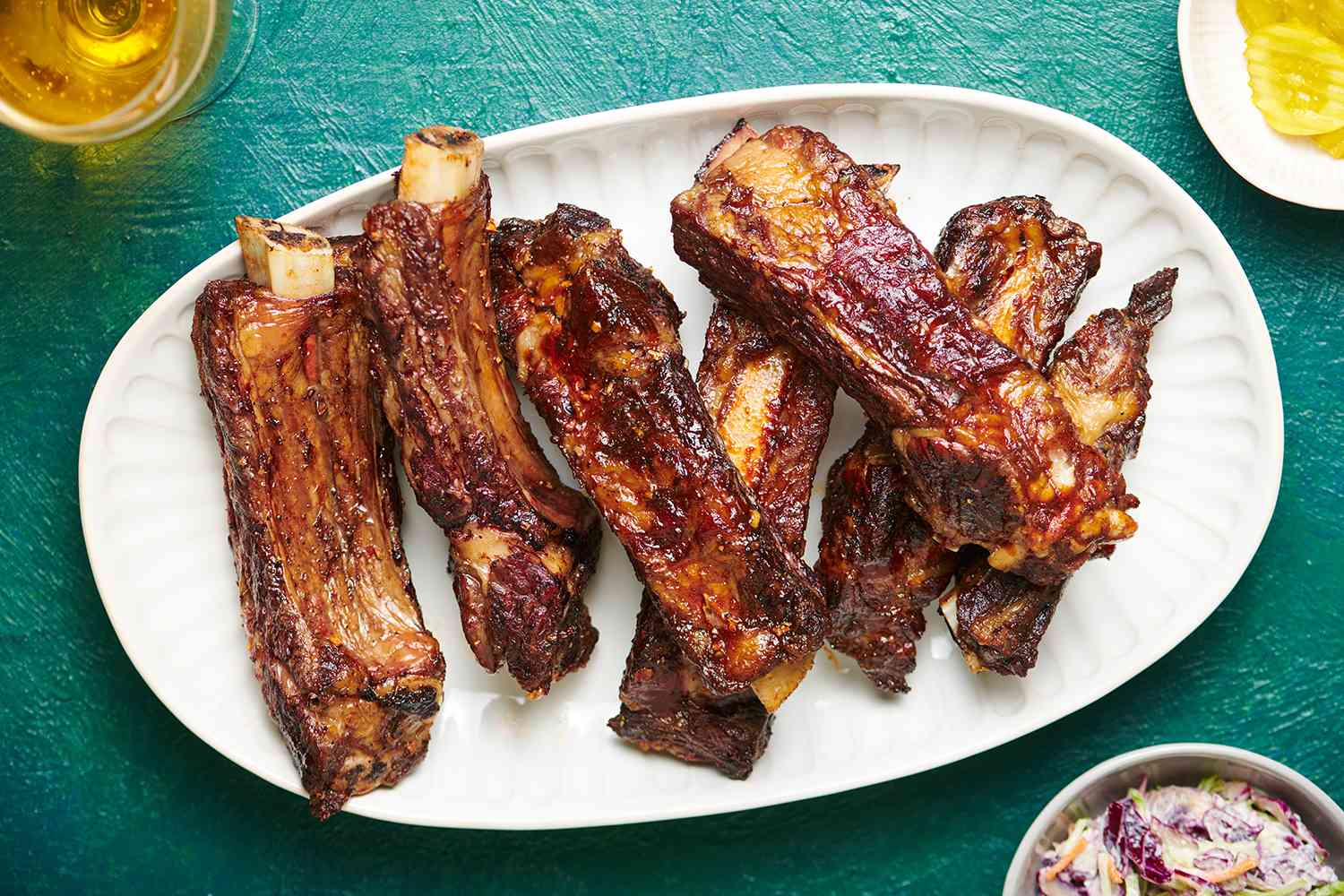
Beef on the rib comes from the rib section of the animal, an area prized for its tenderness and flavor. This section includes several familiar cuts, including ribeye, rib steaks, prime rib, and standing rib roast. While these cuts are related, they are not all prepared in exactly the same way. Their differences in thickness, bone content, marbling, and trimming affect how they should be cooked.
One reason beef on the rib is so popular is its natural fat distribution. Well-marbled rib beef contains small streaks of fat running through the muscle rather than having all the fat concentrated on the outside. As the meat cooks, some of this fat melts and helps create a moist, flavorful bite. That is why a good rib steak can remain juicy even when cooked over intense heat.
The bone can also contribute to the appeal of rib beef. A bone-in roast has an impressive appearance and can make a beautiful centerpiece for a dinner table. While the bone does not magically season the meat from the inside, it can influence cooking and presentation. It also gives diners something substantial to work around, making the meal feel more traditional and indulgent.
Why Beef on the Rib Has So Much Flavor
The rib section is naturally suited to producing flavorful beef because of its combination of marbling and muscle characteristics. Fat carries flavor, and the intramuscular fat found in well-marbled rib beef gradually renders during cooking. This creates the rich, buttery quality many people associate with premium beef.
Another important factor is how the meat is cooked. High-heat cooking can produce a deeply browned exterior through the Maillard reaction, creating savory aromas and a complex crust. Slow roasting, meanwhile, allows a larger piece of rib beef to cook gradually while developing a rich exterior and tender interior. The best technique depends on the specific cut and the result you want.
Seasoning also matters, but rib beef rarely needs an overwhelming list of ingredients. Salt and freshly ground black pepper can be surprisingly effective because they allow the beef itself to remain the star. Garlic, rosemary, thyme, mustard, or a simple herb rub can be added when you want more character, but heavy sauces are not necessary to make good rib beef taste impressive.
Choosing the Best Beef on the Rib
When buying beef on the rib, look for meat with visible marbling distributed throughout the muscle. Thin white streaks of fat within the beef are generally a good sign, especially for cuts intended for grilling or roasting. Avoid meat that looks excessively dry, has unusual discoloration, or has large areas of hard external fat that will provide little benefit during cooking.
The thickness of the cut should also influence your decision. A thick bone-in rib steak is excellent for grilling or pan-searing because it provides enough depth to develop a browned exterior while keeping the center juicy. A larger rib roast is better suited to the oven, where controlled cooking can bring the entire piece to the desired doneness.
Do not overlook the importance of the butcher. If you have access to a reputable butcher shop, explain how you plan to cook the beef. A butcher can often recommend a suitable rib cut, trim excess fat, cut steaks to the right thickness, or prepare a roast according to your needs. This small conversation can make the cooking process much easier.
Preparing Beef on the Rib Before Cooking
Good preparation begins before the beef reaches the heat. If the meat is refrigerated, take it out according to the cooking method and allow it to lose some of its chill before cooking. You do not need to leave beef sitting at room temperature for hours, but taking the extreme cold off the surface can help with more even cooking.
Pat the beef dry with paper towels before seasoning. This simple step is often underestimated. A dry surface browns much more effectively than a wet one. If the outside is covered in moisture, the meat may initially steam rather than develop the deeply browned crust that makes rib beef so appealing.
Season generously but sensibly. Salt is particularly important because it enhances the natural flavor of the beef. For a thick steak or roast, seasoning a little ahead of cooking can help the salt work into the outer layers. Black pepper, garlic, herbs, and a small amount of oil can be added depending on your chosen technique.
The Best Way to Cook Beef on the Rib
There is no single best cooking method for every piece of beef on the rib. For thick rib steaks, grilling and pan-searing are excellent choices. Start with a hot cooking surface so the beef can develop a strong crust. Sear both sides and, if necessary, finish the steak over lower heat until it reaches your preferred internal temperature.
For a large rib roast, oven roasting is the classic approach. A moderate or lower oven temperature gives you better control over the interior, while a hotter stage at the beginning or end can help create a flavorful crust. Using a meat thermometer is much more reliable than judging doneness by appearance alone.
Slow cooking can also work beautifully for certain rib cuts, particularly those with more connective tissue. Long, gentle cooking allows collagen to break down and creates a tender texture. This method is particularly useful when the beef is intended for a rich stew or braised dish rather than a traditional roast or steak.
Understanding Doneness and Temperature
Cooking beef on the rib to the correct internal temperature is one of the easiest ways to improve your results. A meat thermometer removes much of the guesswork and lets you monitor the center of a thick steak or roast without repeatedly cutting into it.
For steaks and roasts, many cooks prefer rib beef somewhere between medium-rare and medium because these levels preserve much of the meat’s tenderness and juiciness. However, personal preference matters, and food-safety guidance should always be followed. Whole cuts of beef and mechanically tenderized or minced beef can have different safety considerations, so know what type of product you are cooking.
Remember that the temperature can continue rising slightly after the beef comes off the heat. This is known as carryover cooking. Removing the meat when it is close to your desired final temperature can help prevent accidental overcooking, particularly with large roasts.
Why Resting Beef on the Rib Matters
Resting is not a step to skip simply because everyone is hungry. When beef comes directly off the grill or out of the oven, its juices are still moving through the meat. Cutting immediately can cause more of those juices to escape onto the cutting board rather than staying in the meat.
A short resting period gives the temperature and juices time to settle. The larger the piece of beef, the more important this becomes. A thick rib steak needs some resting time, while a large rib roast deserves even more patience before carving.
Resting also makes slicing easier. Instead of cutting into a piping-hot piece that is still tense from cooking, you get a more stable roast with a cleaner texture. Cover the beef loosely rather than wrapping it tightly, especially if you want to preserve a crisp exterior.
How to Slice Beef on the Rib
Slicing technique can make a noticeable difference in how tender the beef feels. Look closely at the direction of the muscle fibers before cutting. For many rib cuts, slicing across the grain shortens the muscle fibers and makes each bite easier to chew.
Use a sharp carving knife and make deliberate cuts rather than sawing aggressively back and forth. For a rib roast, you can remove the bones first if you want neat slices, or carve around the bones individually for a more rustic presentation.
Thickness is another matter of preference. Thin slices are excellent for serving a roast with gravy or vegetables, while thicker slices can showcase the juicy texture of premium rib beef. Whatever thickness you choose, aim for consistent slices so everyone at the table gets a similar portion.
Seasoning and Sauce Ideas
Classic seasoning is often the best starting point for beef on the rib. Salt, black pepper, garlic, and herbs such as rosemary and thyme complement the richness of the meat without overpowering it. A little olive oil can help carry seasoning across the surface before cooking.
If you enjoy sauces, consider serving them alongside rather than covering the entire piece of beef. Horseradish sauce, peppercorn sauce, red wine reduction, herb butter, or a simple pan sauce can provide contrast while allowing the beef to remain prominent.
Acidic or fresh accompaniments can also balance the richness of rib beef. A sharp mustard sauce, lightly dressed salad, pickled vegetables, or fresh herbs can prevent the meal from becoming too heavy. The best side dishes do not necessarily need to be complicated; contrast is often more useful than extravagance.
What to Serve With Beef on the Rib
Classic side dishes work particularly well with rib beef. Roast potatoes, mashed potatoes, Yorkshire pudding, grilled vegetables, green beans, and glazed carrots are all natural companions. Their familiar flavors provide a comfortable backdrop for the richer beef.
For a more modern plate, try roasted root vegetables, crisp potatoes with herbs, sautéed greens, or a fresh salad. The goal is to balance the richness of the beef with different textures and flavors. A crunchy or acidic side can be especially welcome next to a heavily marbled steak.
If you are serving a large roast for a gathering, think about variety rather than making every side rich. One creamy dish, one roasted vegetable, one fresh salad, and a flavorful sauce can create a much more balanced meal than several heavy accompaniments competing for attention.
Common Mistakes When Cooking Beef on the Rib
One of the most common mistakes is cooking by time alone. A recipe may say that a roast takes a certain number of minutes per kilogram, but ovens, meat shapes, starting temperatures, and desired doneness vary. A thermometer gives you information about what is actually happening inside the beef.
Another mistake is using too much heat for too long. High heat is useful for developing a crust, but it can quickly overcook the exterior while the center is still catching up. For thick steaks and roasts, combining high heat with controlled lower-temperature cooking often gives better results.
Finally, many people rush the resting and slicing stages. Even a perfectly cooked rib steak can seem less impressive if it is immediately cut open and served without resting. Give the beef a little time, slice it correctly, and you will generally notice a significant improvement in the final eating experience.
Final Thoughts on Beef on the Rib
Beef on the rib deserves its reputation as one of the most satisfying parts of the animal. Its combination of marbling, tenderness, rich flavor, and impressive presentation makes it suitable for everything from a casual weekend steak to an elaborate holiday roast. The key is choosing the right rib cut and matching it with an appropriate cooking method.
You do not need complicated techniques to make excellent beef on the rib. Start with quality meat, dry it properly, season it thoughtfully, control the heat, monitor the internal temperature, and let it rest before slicing. Those fundamentals matter far more than a complicated recipe with dozens of ingredients.
Once you become comfortable with the basics, you can experiment with different rubs, sauces, cooking temperatures, and side dishes. Whether you prefer a beautifully browned ribeye, a traditional roast, or slow-cooked beef with a rich sauce, understanding the cut gives you the confidence to cook it well. Good rib beef is naturally flavorful, so the best approach is often to treat it with care, keep the process simple, and let the quality of the meat do most of the work.
You May Also Read: Wordmaticz