
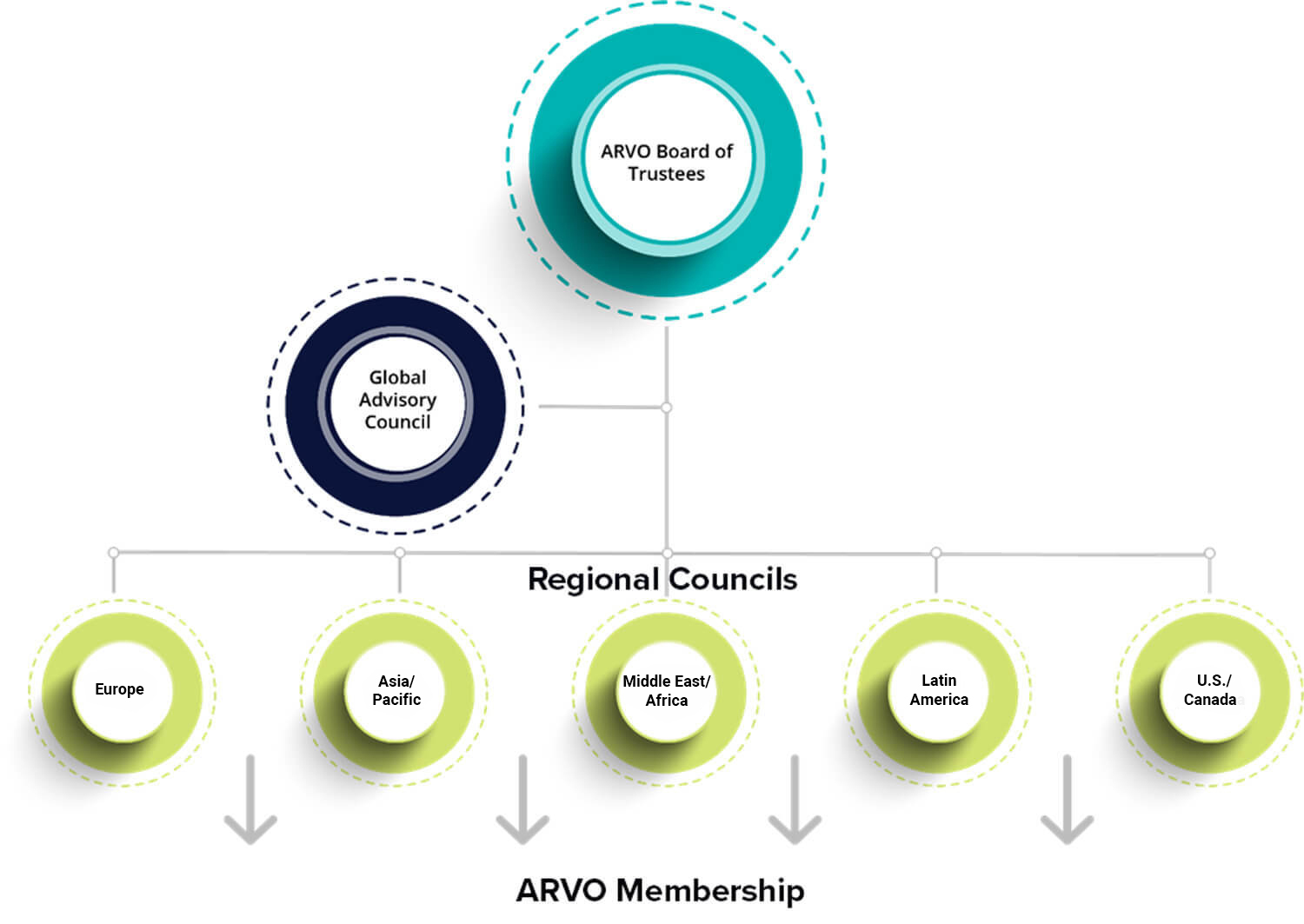
A regional advisory council can play an important role in helping communities, organizations, and public institutions make better decisions. While the exact structure of a regional advisory council can vary from one place to another, the basic idea is usually straightforward: bring together people with local knowledge, professional experience, and community perspectives to advise decision-makers on issues affecting a particular region.
The value of such a council often comes from the range of voices around the table. Regional issues rarely fit neatly into one category. Transportation, economic development, education, healthcare, housing, environmental concerns, public services, and employment can all influence one another. A well-organized advisory council can help identify those connections and make recommendations that reflect what is actually happening on the ground.
It is also worth understanding that an advisory council is not necessarily the same thing as a governing body. In many cases, its role is to research issues, listen to stakeholders, discuss priorities, and provide recommendations rather than directly control public policy. That distinction matters because it allows members to contribute expertise while leaving final authority with the organization, agency, or government responsible for making decisions.
What Is a Regional Advisory Council?
A regional advisory council is generally a group established to provide informed advice about the needs, opportunities, and challenges of a specific geographic area. The region might be a group of towns, a county, a district, several municipalities, or another defined area. Its membership can include community representatives, business leaders, nonprofit professionals, educators, specialists, and other stakeholders.
The council’s composition usually depends on its purpose. A council focused on economic development may include business owners, investors, workforce specialists, and local officials. One concerned with healthcare might bring together medical professionals, patient advocates, social service organizations, and community representatives. The goal is to create a practical mix of perspectives rather than relying on a single institution or profession.
What makes a regional advisory council particularly useful is its connection to the local community. National or central organizations can provide broad strategies, but local conditions are often more complicated. A recommendation that works well in one region may not work in another because of differences in population, infrastructure, geography, economic conditions, or available services.
Why Regional Advisory Councils Matter
Regional decision-making can become difficult when leaders do not have a clear picture of what residents and organizations are experiencing. A regional advisory council can help close that information gap. Members often bring firsthand knowledge that may not appear in official statistics or formal reports.
For example, a region may have strong employment figures while still experiencing a shortage of workers with particular skills. Statistics may show that businesses are operating, but local employers might explain that recruitment difficulties are limiting expansion. An advisory council can bring those practical observations into the discussion and encourage decision-makers to look beyond headline numbers.
Regional advisory councils can also encourage collaboration. Different organizations sometimes work on similar problems without communicating effectively. By bringing representatives together, a council can create opportunities to share information, identify overlapping goals, and reduce unnecessary duplication. In the long term, that kind of cooperation can make regional initiatives more coordinated and effective.
The Main Responsibilities of a Regional Advisory Council
One of the most common responsibilities of a regional advisory council is providing recommendations. Members may review a particular issue, discuss available evidence, gather community feedback, and then present suggestions to the organization or authority that requested their advice.
Another important responsibility is identifying emerging issues. Regional conditions can change quickly because of economic shifts, population growth, technological developments, environmental events, or changes in public policy. Council members who are closely connected to different parts of the community may notice early signs of a developing problem.
Advisory councils may also review existing programs and policies. Instead of focusing exclusively on new initiatives, members can examine whether current efforts are actually meeting their intended goals. This can lead to useful improvements, especially when programs look successful on paper but encounter practical obstacles during implementation.
Who Serves on a Regional Advisory Council?
Membership is one of the most important factors determining how effective a regional advisory council can be. A council needs people who understand the subject being discussed, but it also needs people who understand the community itself. A strong membership structure therefore tends to balance professional expertise with local experience.
Depending on the council’s purpose, members might include representatives from local government, education, healthcare, business, nonprofit organizations, community groups, and professional associations. Some councils also include residents or individuals who have direct experience with the issue under discussion. Their perspective can be particularly valuable because policy decisions ultimately affect people living and working in the region.
Diversity of experience is important as well. If every member comes from the same professional or social background, the council may unintentionally overlook important concerns. A broader membership can encourage constructive disagreement, challenge assumptions, and produce recommendations that are more representative of the region.
How a Regional Advisory Council Makes Recommendations
A productive council usually follows a structured process rather than relying on informal conversations. Meetings may begin with presentations, reports, data, or updates from relevant organizations. Members then discuss the information, raise questions, and consider how the issue affects different parts of the region.
Public input can also be an important part of the process. Depending on the council’s structure, members may collect feedback through meetings, surveys, consultations, community forums, or conversations with stakeholder organizations. This helps prevent the council from becoming disconnected from the people it is supposed to represent.
After reviewing the available information, the council may develop formal recommendations. These could involve changes to an existing program, additional funding, improved coordination, new services, infrastructure priorities, or further research. Ideally, recommendations should explain not only what should change but also why the proposed change is appropriate and how it could realistically be implemented.
The Difference Between an Advisory Council and a Governing Body
The terms can sometimes be confusing because advisory councils may have serious responsibilities, but they generally do not have the same authority as governing bodies. A governing organization may have legal powers to approve budgets, pass regulations, or make binding decisions. An advisory council usually provides guidance instead.
That does not mean its work is unimportant. Decision-makers often depend on well-informed advice before making major choices. A council that produces credible research and practical recommendations can significantly influence the direction of regional programs even when it does not have direct decision-making authority.
The distinction also creates an opportunity for open discussion. Council members can examine alternatives, raise concerns, and identify possible unintended consequences without necessarily being responsible for the final legal or administrative decision. This separation can make the advisory process more useful when it is managed properly.
Benefits for Local Communities
A well-functioning regional advisory council can make community planning more responsive. Because members are connected to different sectors and neighborhoods, they can highlight problems that might otherwise receive limited attention.
The council can also help communities identify opportunities. Regional development is not only about solving problems. It can involve recognizing areas where investment, education, infrastructure, tourism, technology, or entrepreneurship could create new possibilities. Members with different professional backgrounds may see opportunities that a single organization would miss.
Another benefit is improved communication. Residents may not always know which organization is responsible for a particular issue. Likewise, agencies may not fully understand what other organizations are doing. A council can serve as a place where information is shared and relationships are developed, making regional cooperation easier.
Challenges Faced by Regional Advisory Councils
Despite their potential benefits, advisory councils are not automatically effective. One common challenge is unclear authority. If members do not understand what they are expected to accomplish or decision-makers do not explain how recommendations will be used, meetings can become unproductive.
Representation can be another issue. A council may appear diverse on paper but still fail to include important perspectives from the wider community. This is why membership should be reviewed periodically rather than treated as a permanent arrangement.
There is also the risk of producing recommendations without a realistic path to implementation. A council can identify an important problem, but solving it may require funding, legislative approval, staffing, or cooperation between several organizations. Strong councils therefore consider practical limitations while developing their recommendations.
How to Make a Regional Advisory Council More Effective
Clear objectives are a good starting point. Members should know what the council is expected to accomplish, which issues fall within its responsibilities, and how success will be measured. Clear objectives prevent meetings from drifting into discussions that are interesting but unrelated to the council’s purpose.
Good information is equally important. Councils should use reliable data alongside community experience. Statistics can show the scale of a problem, while local knowledge can explain why the problem exists and how it affects people in everyday life. Combining both forms of information usually leads to stronger recommendations.
Transparency can strengthen public confidence as well. Publishing meeting information, recommendations, progress updates, and explanations of major decisions can help residents understand the council’s role. Even when a recommendation is not adopted, explaining the outcome can demonstrate that the advisory process was taken seriously.
The Future of Regional Advisory Councils
Regional advisory councils are likely to remain relevant as communities deal with increasingly interconnected challenges. Economic development, technology, infrastructure, environmental concerns, workforce changes, and public services often overlap, making isolated decision-making less effective.
Technology may also change how councils communicate with residents. Online consultations, digital surveys, virtual meetings, and accessible public information can make it easier for people to participate without attending traditional meetings. This can be especially useful for residents who have demanding work schedules, transportation limitations, or other practical barriers.
At the same time, technology should complement rather than replace genuine community engagement. Data can identify trends, but it cannot always explain people’s experiences. The strongest regional advisory councils will likely combine modern information tools with direct conversations, professional expertise, and meaningful local participation.
Final Thoughts on Regional Advisory Councils
A regional advisory council is ultimately about bringing informed people together to improve decisions affecting a particular area. Its strength comes from combining different forms of knowledge: professional expertise, local experience, community feedback, and reliable evidence.
When the purpose is clear and membership is genuinely representative, a council can become a valuable bridge between communities and decision-makers. It can identify emerging problems, highlight opportunities, encourage cooperation, and provide practical recommendations that are grounded in regional realities.
The most successful councils are not simply discussion groups. They are organized around useful questions and measurable outcomes. They listen carefully, examine evidence, challenge assumptions, and communicate their conclusions clearly. Most importantly, they maintain a strong connection with the people and organizations they are intended to serve.
That is what makes the regional advisory council concept so useful. It creates a structured way for local knowledge to become part of larger decisions, helping regions respond to challenges with greater understanding, collaboration, and practical insight.
You May Also Read: Wordmaticz