When a loved one receives a diagnosis of Alzheimer’s disease or another form of dementia, families often face a wide range of emotions and questions. Memory care communities are designed not only to support residents living with memory loss but also to provide guidance, education, and reassurance for the families who walk alongside them. These specialized communities help create a supportive environment where residents and their loved ones can navigate the journey with greater confidence and understanding.
1. Comprehensive Care Planning and Personalized Support
Memory care communities begin by developing a detailed understanding of each resident’s needs, preferences, health history, and cognitive abilities. This information helps create a personalized care plan that supports the individual while respecting their unique life experiences and routines.
Family members are often encouraged to participate in this process by sharing information about their loved one’s personality, interests, favorite activities, and daily preferences. These insights help team members provide more personalized support and foster meaningful connections with residents.
As needs evolve, care plans can be updated to reflect changing circumstances. Ongoing communication between families and team members helps ensure that support remains aligned with each resident’s needs and goals.
2. Family Education and Dementia Awareness
For many families, understanding dementia can feel overwhelming. Memory care communities frequently provide educational resources that help families better understand memory loss and what to expect throughout the progression of the condition.
Workshops, informational sessions, family meetings, and individual consultations can offer valuable guidance on topics such as communication techniques, behavioral changes, and approaches that support positive interactions with loved ones.
For example, families may learn why certain behaviors occur, how routines can promote comfort, or ways to respond calmly during moments of confusion. This knowledge can help reduce frustration and create more positive experiences during visits.
When families have a deeper understanding of dementia, they often feel more prepared, informed, and confident in supporting their loved ones.
3. Specialized Therapeutic Programs and Life Enrichment Opportunities
Memory care communities typically offer programs designed specifically for individuals living with cognitive changes. These programs focus on engagement, connection, and opportunities for residents to participate in meaningful experiences.
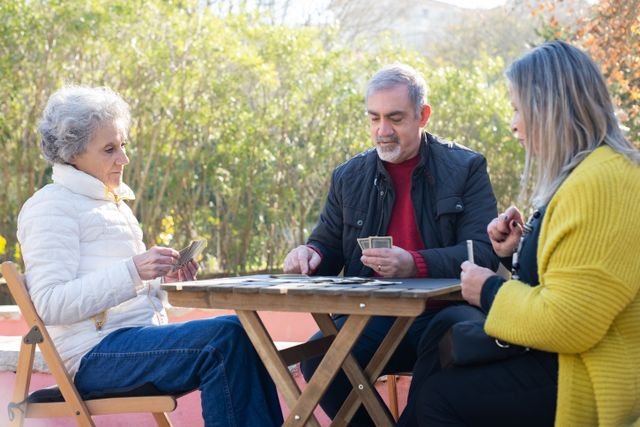
Examples may include music programs, art workshops, reminiscence discussions, sensory experiences, gardening opportunities, and gentle fitness classes. These programs encourage self-expression, social connection, and ongoing engagement in daily life.
For families looking for a community that incorporates purposeful programming into everyday routines, GLOW® Memory Care in Severna Park, MD offers memory care services that provide therapeutic engagement opportunities designed to support connection, comfort, and overall well-being.
These experiences can be reassuring for families who want to know their loved ones are participating in engaging and meaningful daily programs.
4. Emotional Support for Families
Dementia affects entire families, not just the individual receiving support. Memory care communities recognize this reality and often provide resources that address the emotional needs of family members.
Support groups, family gatherings, educational programs, and individual conversations with experienced team members can help families process challenges and connect with others facing similar experiences.
These opportunities provide a space to share concerns, ask questions, and receive encouragement. Many family members find comfort in speaking with others who understand the unique emotions that can accompany memory loss.
By supporting family well-being, memory care communities help strengthen the broader network of care surrounding each resident.
5. Open Communication and Family Involvement
Strong communication helps families remain connected and informed. Memory care communities often provide regular updates regarding resident well-being, participation in programs, and changes that may require attention.
Families are encouraged to remain involved through visits, special events, celebrations, and community activities. Team members may also seek input from family members when developing personalized engagement approaches and daily routines.
This collaborative relationship helps ensure that residents continue to receive support that reflects who they are as individuals. It also provides families with greater peace of mind and confidence in the support their loved one is receiving.
Open communication fosters trust and creates a partnership centered on the resident’s well-being.
6. Guidance Through Transitions and Future Planning
As dementia progresses, families may face difficult decisions regarding future support needs and healthcare preferences. Memory care communities can provide guidance during these conversations and help families understand available resources and options.
Experienced team members can offer information, answer questions, and connect families with appropriate professionals when additional support is needed. Having compassionate guidance available can make these discussions feel less overwhelming.
Planning ahead allows families to make thoughtful decisions that reflect their loved one’s values, preferences, and goals while preparing for future needs with greater confidence.
This ongoing support helps families feel less alone as they navigate changes throughout the dementia journey.
Conclusion
Memory care communities play an important role in supporting both residents living with dementia and the families who care deeply about them. Through personalized care planning, educational resources, therapeutic programming, emotional support, ongoing communication, and guidance during transitions, these communities provide valuable assistance at every stage of the journey. By treating families as partners in care, memory care communities help create an environment where residents can receive compassionate support while loved ones gain the knowledge, resources, and reassurance they need. Together, these efforts help foster connection, dignity, and quality of life throughout the memory care experience.