
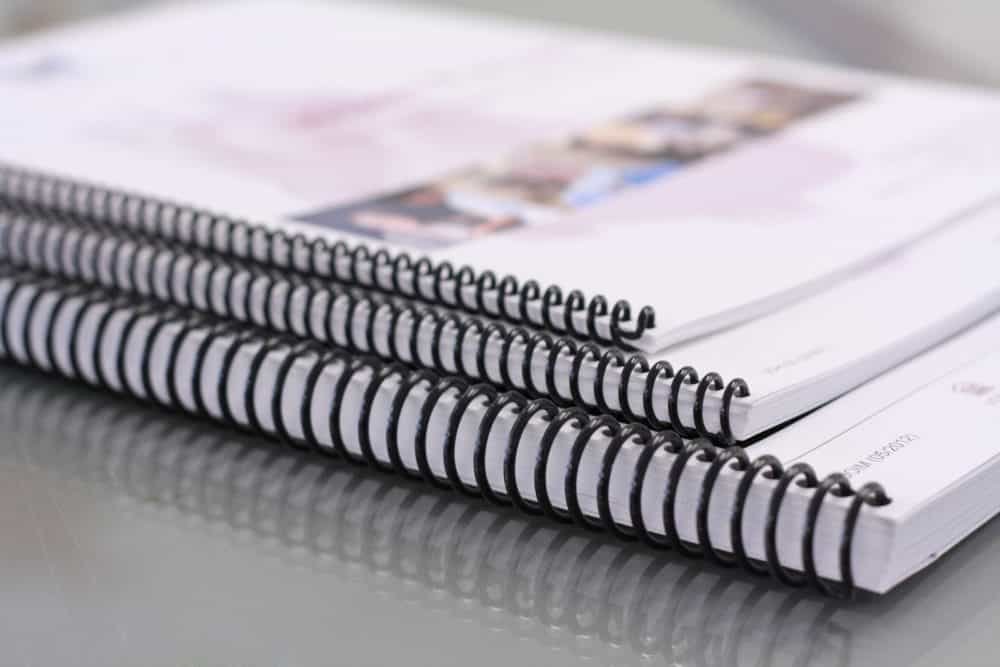
Finishing your thesis is a huge milestone. You’ve spent months — sometimes years — researching, writing, editing, and rewriting. But before you can finally hold that finished copy in your hands, there’s one more step that many students underestimate: preparing your thesis for printing and binding. A poorly formatted file can lead to blurry text, misaligned margins, or a cover that just doesn’t look right. That’s why more and more students in Germany are turning to a reliable printing partner like TesiLab to make sure their final document looks as professional as the work itself. In this guide, we’ll walk you through everything you need to know to get your thesis print-ready, from formatting basics to choosing the right binding style.
Why Proper Preparation Matters
It’s easy to assume that once your thesis is written and approved, the hard part is over. In reality, printing is where small mistakes become permanent. Unlike a digital document you can edit endlessly, a printed and bound thesis is much harder — and more expensive — to fix once it’s off the press. Universities often have strict formatting guidelines, including specific margins, font sizes, and binding requirements, and missing even one of these details can mean resubmitting your printed copy at your own cost.
Taking the time to prepare your file properly saves you money, stress, and the risk of last-minute panic before your submission deadline. Let’s break down exactly what you need to check.
Step 1: Check Your University’s Formatting Requirements
Before you do anything else, go back to your university’s or department’s guidelines. Most institutions specify:
- Margin sizes (often larger on the binding side to prevent text from disappearing into the spine)
- Font type and size
- Line spacing
- Page numbering style
- Required elements like a title page, declaration of authorship, or abstract
These requirements exist for a reason — they ensure your document is legible even after binding. If your margins are too narrow, the binding process can cut into your text or make it difficult to read pages near the spine. Always double-check this before moving forward, since printing a thesis is fundamentally different from writing a regular Word document.
Step 2: Convert Your File to a Print-Ready PDF
Once your formatting is finalized, convert your document to a PDF. This step is critical because PDFs preserve your exact layout, fonts, and spacing regardless of the device or software used to open them. If you send a Word file instead, fonts might shift, images could move, or spacing could change slightly — none of which you want to discover after your thesis has already been printed.
When exporting to PDF, keep these tips in mind:
- Embed all fonts to avoid substitution issues
- Use high-resolution images (300 DPI is the standard for print quality)
- Check that page numbers and headers appear correctly on every page
- Review the file one final time on a different device to confirm it looks the same everywhere
Many students skip this last check and regret it later. A five-minute review can save you from an entire reprint.
Step 3: Review Every Page Carefully
This might sound obvious, but it’s one of the most skipped steps. Scroll through your entire PDF, page by page, and check for:
- Typos or formatting inconsistencies you might have missed during editing
- Images or charts that appear cut off, blurry, or misaligned
- Page breaks that split tables or paragraphs awkwardly
- Consistent font size and style throughout
It helps to review your document at least a day after finishing it, with fresh eyes. If possible, ask a friend, classmate, or family member to look through it too — a second set of eyes often catches mistakes the original writer misses simply because they’re too familiar with the text.
Step 4: Choose the Right Binding Style
Binding is more than a finishing touch — it affects durability, presentation, and how your thesis is perceived by your evaluators. Here are the most common options and when they make sense:
Hardcover binding is the most professional and durable option. It’s ideal for final thesis submissions, especially for Bachelor’s and Master’s degrees, since it gives your work a polished, book-like appearance that holds up well over time. Many students also choose hardcover for the personal copy they keep as a memento of years of hard work.
Softcover binding offers a flexible, lightweight alternative with a similarly professional look. It’s a popular choice for students who want quality without the rigidity of a hardcover, and it works well for both academic submissions and portfolio copies.
Glue binding (perfect binding) is the most budget-friendly option. It’s a solid choice for draft copies, extra copies for supervisors, or situations where cost matters more than long-term durability. It still presents your work neatly, just with a simpler finish.
Think about who will receive each copy. Your official university submission might need hardcover binding per your program’s rules, while copies for friends, family, or your own archive could use a more affordable option.
Step 5: Pay Attention to Paper Quality
Paper choice affects both the look and feel of your thesis, as well as how well it holds up over time. Standard printer paper often looks thin and can show text from the reverse side, which isn’t ideal for a formal academic document. Look for:
- A higher gsm (grams per square meter) weight for a more substantial feel
- Matte or slightly textured finishes for a professional appearance
- Acid-free or eco-friendly paper if sustainability matters to you or your institution
If you’re printing images, graphs, or color diagrams, make sure your paper choice supports crisp, accurate color reproduction. Nothing undermines a beautifully designed chart like faded or washed-out printing.
Step 6: Plan Your Timeline
One of the most common mistakes students make is leaving printing until the very last moment. Between formatting checks, proofreading, choosing a binding style, and actual production and delivery time, printing a thesis isn’t something you want to rush.
A safe rule of thumb is to start the printing process at least a week before your deadline. This buffer gives you time to:
- Catch and fix any last-minute formatting issues
- Account for production and shipping time
- Order a reprint if something doesn’t turn out as expected
- Avoid paying extra for rushed or express services
Universities are usually strict about submission deadlines, and “my printer was late” is rarely an accepted excuse. Planning ahead removes this stress entirely.
Step 7: Order Extra Copies if Needed
Many students only think about the one copy required for submission, then realize afterward that they also need copies for supervisors, family members, or their own personal collection. Ordering multiple copies at once is usually more cost-effective than placing separate orders later, and it means you won’t be scrambling to arrange a second print run under time pressure.
If you know in advance that you’ll need copies for your thesis committee or for keepsakes, include them in your original order.
Common Mistakes to Avoid
Even with the best intentions, students often run into avoidable issues. Here are a few worth watching out for:
- Ignoring binding-side margins, which can cause text to get lost in the spine
- Using low-resolution images that look sharp on screen but pixelated once printed
- Skipping a final proofread after all formatting changes are made
- Underestimating production and delivery time, leading to stressful last-minute scrambles
- Choosing binding purely on price without checking if it meets university requirements
Avoiding these simple pitfalls can make the difference between a smooth submission process and a stressful one.
Final Thoughts
Preparing your thesis for printing and binding doesn’t have to be complicated, but it does require attention to detail. From checking your university’s formatting rules to selecting the right binding style and paper quality, each step plays a role in how your finished thesis looks and holds up over time. Give yourself enough time, double-check your file before submitting it for print, and don’t hesitate to ask for a second opinion on your formatting.
At the end of the day, your thesis represents years of effort, and it deserves to look just as polished on paper as it reads on screen. If you’re looking for a straightforward, reliable way to get your thesis printed and bound without the guesswork, services like tesilab.de are designed specifically with students in Germany in mind, offering fast turnaround times and a range of binding options to fit your needs and budget. With a bit of preparation and the right printing partner, you’ll have a finished thesis you can be proud to submit — and to keep.