
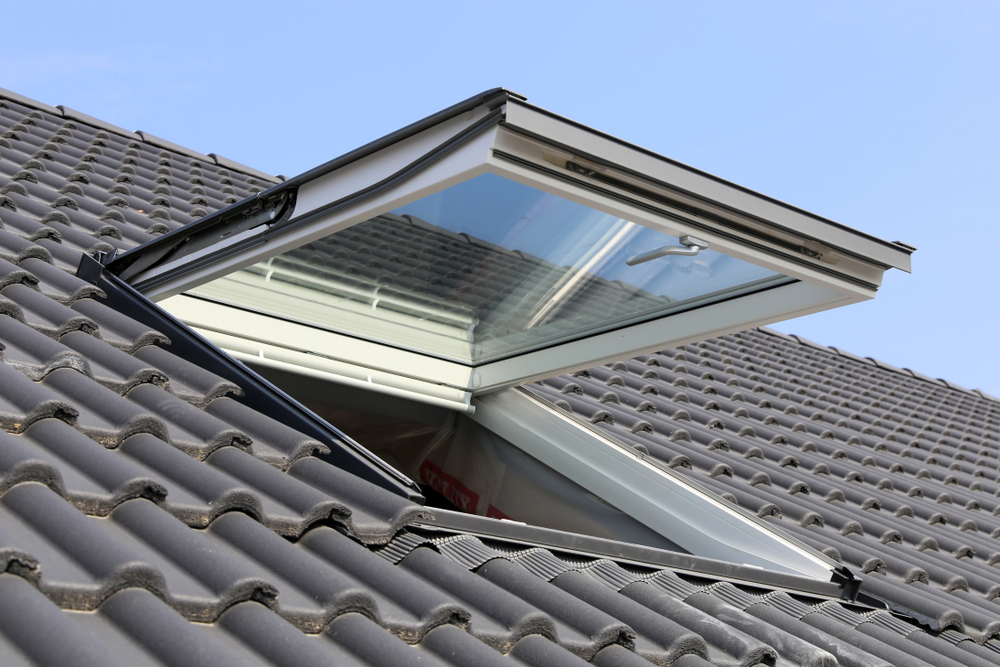
If you have ever walked into a room that feels dark even during the day, you may have wondered how to make it brighter without adding another window. That is where a skylight can make a big difference. But what is a skylight, exactly? In simple terms, a skylight is a window installed in a roof rather than a wall. It allows natural daylight to enter a building from above, creating a brighter and often more open feeling indoors.
Skylights have been used in buildings for centuries, although modern versions are much more advanced than traditional roof openings. Today, they can be made with glass, acrylic, polycarbonate, or other specialized materials and may include features such as insulation, ventilation, UV protection, blinds, and automatic controls. Depending on the design, a skylight can provide daylight, fresh air, energy benefits, and an architectural feature that changes the character of a room.
Understanding what is a skylight also means looking beyond the basic definition. Skylights come in several different styles, sizes, and configurations, and each type serves a slightly different purpose. Whether you are planning a new home, renovating an existing room, or simply researching ways to improve natural lighting, learning how skylights work can help you decide whether one is right for your space.
What Is a Skylight and How Does It Work?
A skylight is essentially a roof-mounted window designed to bring daylight into an interior space. Unlike a traditional window, which receives light from the side, a skylight receives light from above. This positioning can allow a room to receive substantial natural illumination, especially when the roof has a clear view of the sky.
The basic structure usually includes a glazed panel or transparent surface, a frame, flashing, and a shaft or opening connecting the skylight to the interior. The flashing is particularly important because it helps direct rainwater away from the opening and protects the roof from leaks. In a well-designed installation, the skylight becomes an integrated part of the roofing system rather than simply being placed over a hole.
Some skylights are fixed, meaning they are designed only to provide daylight. Others are operable and can be opened to allow ventilation. Modern models may use manual controls, electric motors, remote controls, rain sensors, or smart-home systems. This gives homeowners more flexibility when managing temperature, airflow, and indoor comfort.
Why Do People Install Skylights?
One of the biggest reasons people install skylights is to increase natural light. A strategically positioned skylight can brighten areas that are difficult to illuminate with conventional windows. Hallways, bathrooms, kitchens, stairwells, lofts, and rooms located near the center of a building can all benefit from additional daylight.
Natural light can also change how a room feels. A space that once appeared small or closed in may feel more spacious and welcoming when daylight comes from above. Instead of relying entirely on electric lights during the daytime, homeowners can take advantage of available sunlight, potentially reducing lighting use.
There is also an aesthetic benefit. A skylight can become an architectural focal point, particularly when it is positioned above an interesting feature such as a dining table, staircase, bathtub, or seating area. The changing daylight throughout the day can create a different atmosphere in the same room from morning through evening.
Different Types of Skylights
When researching what is a skylight, it is important to understand that there is no single standard design. Fixed skylights are among the simplest options. They remain closed and are primarily intended to provide natural light. Because they have fewer moving components, they can be relatively straightforward to operate and maintain.
Ventilating skylights can be opened to release warm air and improve airflow. This can be useful in kitchens, bathrooms, and upper-floor rooms where heat tends to accumulate. Some versions open with a simple manual mechanism, while others use electric controls. Automatic models can sometimes be connected to sensors that respond to temperature or weather conditions.
Tubular skylights are another option, particularly when roof space is limited. Instead of using a large rectangular window, a tubular skylight captures sunlight through a small roof-mounted dome and directs it into the room through a reflective tube. These systems are useful for smaller spaces where a conventional skylight would be too large or difficult to install.
Skylight Materials and Glazing Options
The transparent portion of a skylight is often called the glazing. Glass is a popular choice because it can provide excellent clarity, durability, and a premium appearance. Modern skylight glass may be double- or triple-glazed, helping improve insulation compared with older single-pane designs.
Plastic materials such as acrylic and polycarbonate are also used. These materials can be lighter than glass and may be suitable for certain applications. Their performance depends on the product quality, construction, coatings, and installation environment.
Glazing can also include special treatments. Low-emissivity coatings can help control heat transfer, while tinted or treated glazing can reduce glare and limit ultraviolet exposure. The right choice depends on the building’s climate, roof orientation, room function, and energy goals.
The Benefits of Installing a Skylight
One major advantage of a skylight is access to daylight in locations where ordinary windows may not be practical. A room surrounded by walls, neighboring buildings, or privacy concerns may still be able to receive natural light from the roof.
Skylights can also contribute to passive ventilation when they are designed to open. Warm air naturally rises, so opening a skylight near the upper portion of a home can help release accumulated heat. When combined with lower openings such as windows or doors, this can create a useful airflow pattern.
Another benefit is visual appeal. A well-designed skylight can make a home feel brighter and more connected to its outdoor surroundings. However, the benefits depend heavily on proper sizing and placement. A skylight that is too large, poorly insulated, or incorrectly positioned can create problems instead of solving them.
Are Skylights Energy Efficient?
The answer depends on the skylight itself and how it is installed. A modern, energy-efficient skylight can provide useful daylight and reduce the need for artificial lighting during the day. However, a poorly designed skylight can also increase unwanted heat gain in summer or heat loss during colder weather.
Glazing is one of the most important factors. Energy-efficient glass can help control heat transfer while still allowing daylight to enter. The frame, flashing, insulation around the opening, and quality of installation also influence overall performance.
Roof orientation and local climate matter as well. In a hot climate, excessive direct sunlight may increase indoor temperatures, making shading and appropriate glazing particularly important. In colder climates, well-insulated skylights can help minimize heat loss. The best approach is to consider the entire roof and room rather than selecting a skylight based solely on its appearance.
Where Is the Best Place for a Skylight?
The best location depends on the room, roof design, sunlight patterns, and purpose of the installation. A kitchen skylight, for example, may be useful above a central work area or island where additional daylight is valuable. In a bathroom, privacy can be maintained while still introducing natural illumination from above.
Bedrooms can also use skylights, although glare and early-morning sunlight should be considered. Shades or blinds can provide better control over brightness. In living rooms, a skylight can create a strong architectural feature while providing broad daytime illumination.
The roof structure should always be evaluated before installation. Rafters, trusses, wiring, plumbing, insulation, and ventilation systems can affect where an opening can safely be created. Professional planning is particularly important when modifying an existing roof.
What Are the Potential Drawbacks?
Although skylights offer many advantages, they are not perfect for every building. One of the most common concerns is water leakage. If flashing, seals, drainage, or installation details are inadequate, rainwater can enter around the skylight and damage ceilings or insulation.
Heat gain is another consideration. A large skylight can allow significant sunlight into a room, which may be welcome during cooler months but uncomfortable during hot weather. Choosing appropriate glazing and adding shades can help manage this issue.
Maintenance should also be considered. Because skylights are exposed to weather, their exterior surfaces can collect dust, leaves, and other debris. Depending on the roof design and skylight location, cleaning may be more difficult than cleaning a normal vertical window. Fortunately, good-quality products and proper installation can reduce many long-term problems.
How Much Does a Skylight Cost?
The cost of a skylight varies considerably depending on the size, material, glazing, features, roof construction, and installation requirements. A basic fixed skylight is generally simpler than a large motorized model with advanced glazing and automatic controls.
Installation can represent a significant part of the total cost because the roofing system must be carefully modified and sealed. If structural changes are necessary, the project can become more complex. Interior finishing around the skylight may also add to the overall expense.
Rather than choosing the cheapest product available, it is usually better to consider long-term performance. A high-quality skylight with proper flashing, insulation, and energy-efficient glazing may provide better value over time than a low-cost product that creates maintenance or comfort problems.
How to Maintain a Skylight
Regular inspection is one of the easiest ways to protect a skylight. Homeowners should look for signs of moisture, staining, condensation, cracked glazing, damaged seals, or deterioration around the frame. Catching a small issue early can prevent more expensive roof and interior damage.
The exterior surface may occasionally need cleaning, particularly if the skylight is surrounded by trees. Leaves and debris should not be allowed to accumulate around drainage areas. Interior glass can usually be cleaned using appropriate glass-cleaning methods, but homeowners should follow the manufacturer’s recommendations.
For operable skylights, moving parts may require occasional inspection or maintenance. If a skylight becomes difficult to open, closes unevenly, or shows signs of mechanical problems, it is better to address the issue rather than forcing the mechanism.
Is a Skylight Right for Your Home?
Whether a skylight is a good choice depends on your building, climate, roof structure, and goals. If your primary problem is a dark interior room with limited access to daylight, a skylight could be an effective solution. If you are also interested in ventilation, an operable model may provide additional benefits.
Before making a decision, consider the direction of sunlight, roof pitch, room size, insulation, and potential heat gain. Think about how much light you actually need rather than assuming that a larger skylight is automatically better.
Professional installation is particularly important. A skylight creates a penetration in the roof, so waterproofing and structural details need to be handled correctly. Choosing a reputable installer and a product suited to the building can make a major difference in long-term performance.
Final Thoughts on What Is a Skylight
So, what is a skylight? It is a window or glazed opening installed in a roof to bring natural light into an interior space, and some models can also provide ventilation. While the basic concept is simple, modern skylights include a wide range of technologies and designs intended to improve comfort, energy performance, durability, and convenience.
A well-planned skylight can transform a dark room into a bright and inviting part of the home. It can reduce dependence on artificial lighting during the day, improve ventilation when operable, and add an attractive architectural element. At the same time, factors such as heat gain, insulation, water protection, maintenance, and installation quality should never be overlooked.
If you are considering one for your home, start by identifying what you want the skylight to accomplish. Once you understand the purpose, roof conditions, climate, and available designs, choosing the right solution becomes much easier. A skylight should not simply be an opening in the roof; when properly planned, it can become a thoughtful part of the home’s overall design and comfort.
You May Also Read: Wordmaticz