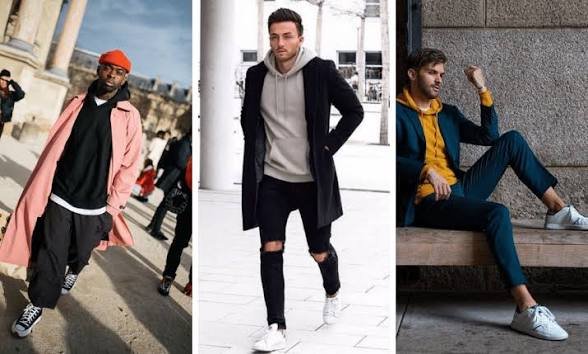
Some men walk into a room and just look put together, even in something as simple as a T-shirt and jeans. Others wear expensive brands and still look off. The difference almost never comes down to money. It comes down to details.
Attractive style isn’t about owning the trendiest pieces. It’s about a handful of small choices that most men overlook: fit, texture, color balance, and how pieces work together instead of competing.
The good news is that none of this requires a personal stylist or a bigger budget. Once you understand which details actually matter, you can apply them to clothes you already own.
Here are the 10 style details that separate an outfit that looks intentional from one that looks accidental.
Fit Comes Before Everything Else
If there’s one rule that overrides every other style tip, it’s this: fit beats price every time. A $30 t-shirt that fits your shoulders and torso correctly will always look better than a $300 shirt that hangs loose in the wrong places.
Most men size clothing incorrectly, either buying too big for comfort or too small to look “fitted.” The goal is clothing that follows your body’s natural lines without pulling or bunching.
A few quick fit checks:
- Shoulder seams should sit at the edge of your shoulder, not past it.
- Sleeves should end at the wrist bone, not the middle of your hand.
- Shirts should skim the body, not balloon outward.
Getting a few key pieces tailored, even just hemming pants or taking in a jacket, makes a bigger visual difference than most men expect.
Proportions Matter More Than Trends
Trends come and go, but proportion is timeless. An outfit looks attractive when the top and bottom halves balance each other visually.
If you’re wearing something loose on top, like an oversized jacket, balance it with slimmer trousers. If your pants are relaxed or wide-leg, a more fitted top keeps the silhouette from looking sloppy.
This is why the same jacket can look sharp on one man and shapeless on another. It’s rarely the garment itself. It’s how the rest of the outfit is proportioned around it.
Texture Adds Depth to Simple Outfits
A monochrome outfit in flat cotton can look flat and forgettable. The same color palette in mixed textures, like denim, leather, and knit, instantly reads as more thoughtful.
Texture is one of the easiest ways to elevate a simple outfit without adding more pieces or colors. A plain white tee under a textured jacket looks far more intentional than the same tee under another flat cotton layer.
Some easy texture combinations:
- Denim with leather
- Knit sweaters with structured outerwear
- Suede with smooth cotton
Color Coordination Without Overthinking It
Attractive outfits don’t require complicated color theory. Most well-dressed men rely on a simple approach: pick one dominant neutral, add one accent color, and let the rest support both.
Neutrals like black, navy, gray, and olive form a reliable base. From there, one item, whether it’s a burgundy jacket or a mustard scarf, can add personality without overwhelming the look.
A common mistake is wearing three or four competing colors at once, which reads as chaotic rather than stylish.
Footwear Sets the Tone for the Whole Look
Shoes finish an outfit the way punctuation finishes a sentence. Clean, well-maintained footwear signals attention to detail, while scuffed or mismatched shoes undercut everything above them.
The key isn’t owning many pairs. It’s owning a few versatile options and keeping them in good condition. Clean sneakers, polished boots, and one pair of leather shoes cover most situations a man will realistically face.
Outerwear Is the Detail Everyone Notices First
Among all the layers in an outfit, the jacket carries the most visual weight. It sits on top of everything else, which means it’s usually the first thing people notice and the last thing they remember.
A structured jacket instantly adds shape and confidence to an outfit that would otherwise look plain. This is especially true with leather jackets, which bring a rugged, put-together edge that few other garments can match.
The aviator jacket men have relied on for decades remains one of the sharpest examples of this. Its structured shoulders and clean lines flatter almost any body type, turning a basic tee-and-jeans combination into something that looks deliberately styled rather than thrown together.
Investing in one well-made leather jacket often does more for a man’s overall look than several trend-based purchases combined.
Grooming Supports the Outfit, Not the Other Way Around
Clothes only carry an outfit so far. Grooming, meaning clean nails, a tidy beard or clean shave, and healthy skin, plays a bigger role in overall attractiveness than most men assume.
An outfit can be perfectly styled, but if grooming is neglected, the overall impression suffers. The two work together, not separately.
Simple habits that make a noticeable difference:
- Keeping facial hair clean and defined
- Moisturizing regularly
- Getting regular haircuts rather than letting hair grow unstructured
Accessories Should Whisper, Not Shout
Accessories are meant to support an outfit, not dominate it. A watch, a simple bracelet, or a leather belt can add polish, but too many at once creates visual clutter.
A good rule: if you’re wearing more than two or three accessories, ask whether each one earns its place. Subtlety almost always reads as more attractive than excess.
Confidence Is a Style Detail Too
This one isn’t about fabric or fit, but it belongs on this list because it changes how every other detail is perceived. A well-fitted outfit worn with confidence looks better than the same outfit worn with hesitation.
Standing straight, making eye contact, and moving naturally all affect how clothing is perceived. Confidence doesn’t fix a bad outfit, but it amplifies a good one.
Consistency Builds a Recognizable Personal Style
Attractive dressing isn’t about a single perfect outfit. It’s about a consistent visual identity that people start to associate with you.
This doesn’t mean wearing the same thing every day. It means having a defined color palette, a few reliable silhouettes, and go-to pieces, like a favorite jacket or a trusted pair of boots, that anchor your wardrobe.
Over time, this consistency is what makes personal style feel authentic instead of random.
FAQs
1. What’s the single biggest factor in making an outfit look attractive?
Fit. Clothing that follows your body’s natural lines without pulling or bunching will always outperform expensive pieces that don’t fit correctly.
2. Do I need expensive clothes to look stylish?
No. Well-fitted, versatile basics combined with one or two statement pieces, like a quality jacket, usually create a more attractive look than an expensive but poorly coordinated wardrobe.
3. How many colors should an outfit have?
Most stylish outfits stick to two or three colors: a dominant neutral, a secondary neutral, and one accent color for personality.
4. Why does a jacket make such a big difference in an outfit?
Because it’s the outermost layer, a jacket shapes the silhouette and is usually the first thing people notice, making it one of the highest-impact pieces in any wardrobe.
5. How can I develop a personal style if I don’t know where to start?
Start with fit and neutrals. Once you have well-fitted basics in a consistent color palette, gradually add texture and one or two statement pieces to build a recognizable look.
Conclusion
An attractive outfit rarely comes down to one big purchase. It’s the accumulation of small, intentional choices: fit that flatters your body, textures that add depth, colors that work together, and outerwear that carries the whole look.
Start with the basics. Get your fit right, invest in one versatile jacket that elevates everything underneath it, and build outward from there. The details add up faster than most men expect, and the results speak for themselves.
Once you start paying attention to these ten details, you’ll notice the difference every time you get dressed.