
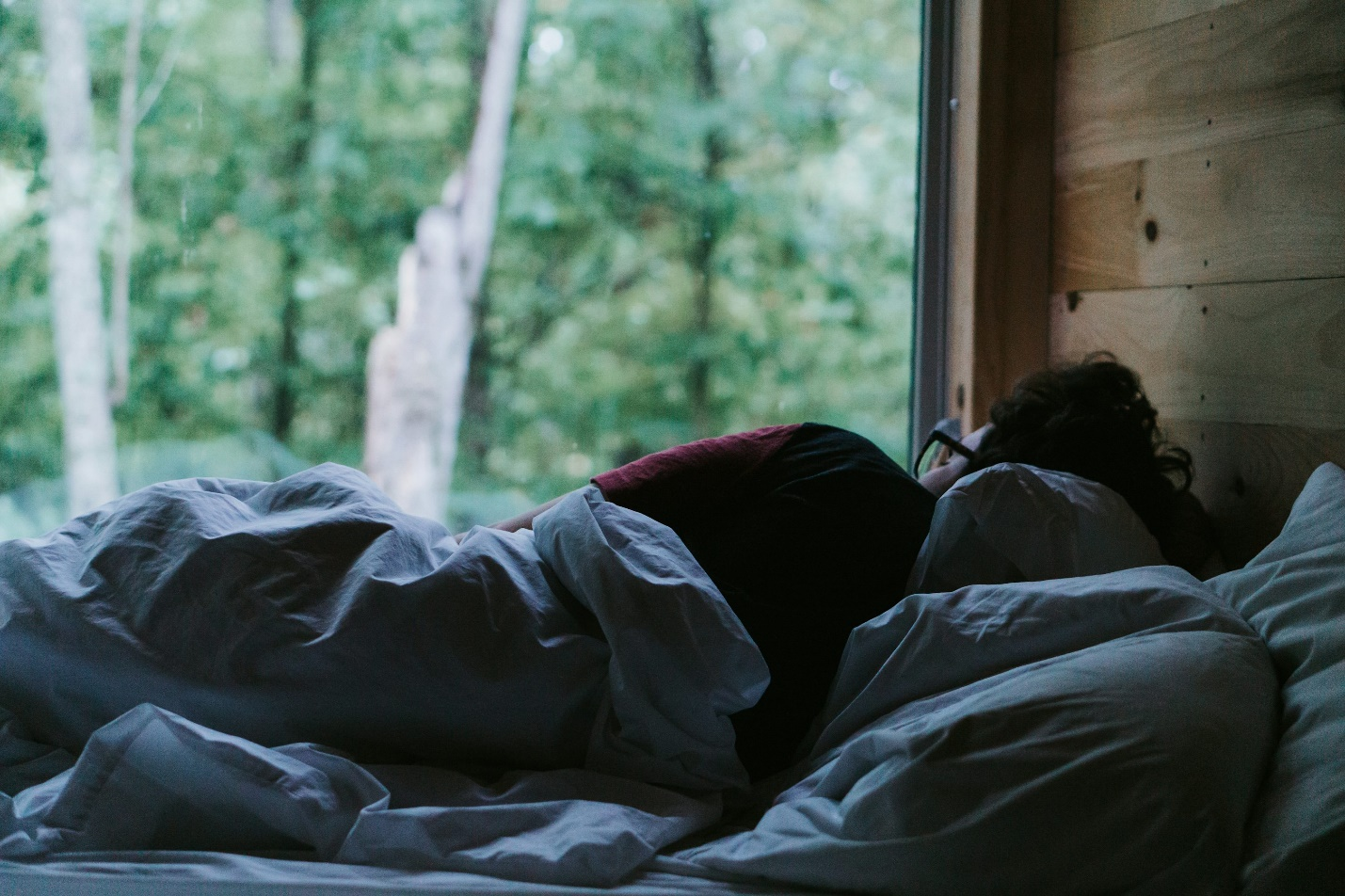
Have you ever experienced frequent nighttime awakenings with reduced sleep duration on summer nights, while winters go pretty smoothly in terms of sleep quality? Then you’re not alone. Summers, with their rising temperatures and longer daytime, have a direct impact on your brain’s sleep-wake cycle.
What causes these normal sleep changes, and what do you need to implement to manage them? This guide will shed light on the sleep issues you face during hotter temperatures, along with supportive habits to address them naturally.
Understanding Seasonal Sleep Patterns
No matter how old you are or whether you have any medical condition, sleep patterns vary with environmental factors all year round. Winters, with longer nights and reduced daylight, result in longer sleep duration. Conversely, summers, with shorter nights and bright, longer days, reduce sleep time by suppressing melatonin production. So, in summer, you often struggle with sleep disturbances.
Apart from day and night length and sunlight, temperature variation is another factor behind seasonal sleep patterns. Your bedroom temperature determines your nighttime sleep quality. This is because, during sleep, your body’s core temperature drops naturally. A slightly cooler room, around 65–68°F, supports sleep onset as your brain shifts from wakefulness to the beginning of the sleep cycle smoothly. That is why warmer nights often accompany nighttime awakenings and sleep deprivation as well.
6 Ways to Support Sleep Quality in Summers
Sleep disturbances are a pretty common consequence of rising temperatures. To cope with warmer nights, air conditioning and proper ventilation with breathable bed sheets work effectively. Apart from temperature regulation, you can improve sleep quality and make warmer nights manageable with the following healthy habits.
1. Having Natural Sleep-Boosting Foods
Natural sleep-boosting foods such as herbal teas, sleep oils, and fatty fish supplements are helpful for managing sleep issues. The effects of such a diet are highly calming on the nervous system, leading to successful winding down. Generally, such natural edibles are harmless without causing significant side effects. However, to be on the safer side, always consult your healthcare provider before regular use.
2. Have a Fixed Sleep Schedule
Going to bed at the same time every day despite warmer nights is helpful in regulating the sleep-wake cycle. You feel sleepy with a regular circadian system that lets the brain differentiate between day and night. So, even if it is the weekend and you can sleep longer in the morning, try to go to bed at the same time as you do on weekdays.
3. Make Use of Blackout Curtains
Darkness plays a key role in stimulating the melatonin sleep hormone, while light suppresses its production. In summer, when the sun rises earlier, outside light can reduce sleep duration. To keep the inside room dark, have blackout curtains on your windows. They don’t just block the light; they also keep the inside temperature cooler than outside.
4. Take Care of Your Diet
Poor food choices can affect your nighttime sleep. For example, caffeine and alcohol deteriorate sleep quality, so you need to avoid them. If necessary, consume caffeine before the evening, as it keeps the brain alert during its wind-down at night. Likewise, heavily processed foods or sugary foods take more time to digest. Consuming them near bedtime can cause digestion issues, leading to nighttime discomfort or awakenings.
5. Using Noise-Canceling Devices
Apart from temperature, other disturbances such as noise make a big difference in the sleep environment. If your room has outside traffic noise, you can use some noise-canceling earbuds, or you can have a white noise device that calms the brain by blocking loud outside noise with a steady yet soothing background sound.
6. Practicing Mindfulness
Mindfulness practices such as meditation and deep breathing are effective in reducing stress and anxiety. On summer nights with environmental disturbances, like elevated temperatures, you can achieve a calm mindset with them. Mental calmness lets you fall asleep quickly, irrespective of external factors.
Bottom Line
Healthy sleep patterns are achievable all year round with some lifestyle adjustments. Improving your sleep environment with noise-canceling earbuds, blackout curtains, or following relaxation practices such as herbal tea, or meditation can make a big difference.
Remember, sleep is essential for the smooth functioning of the body. Addressing its irregularities at an early stage is mandatory for long-term health goals.