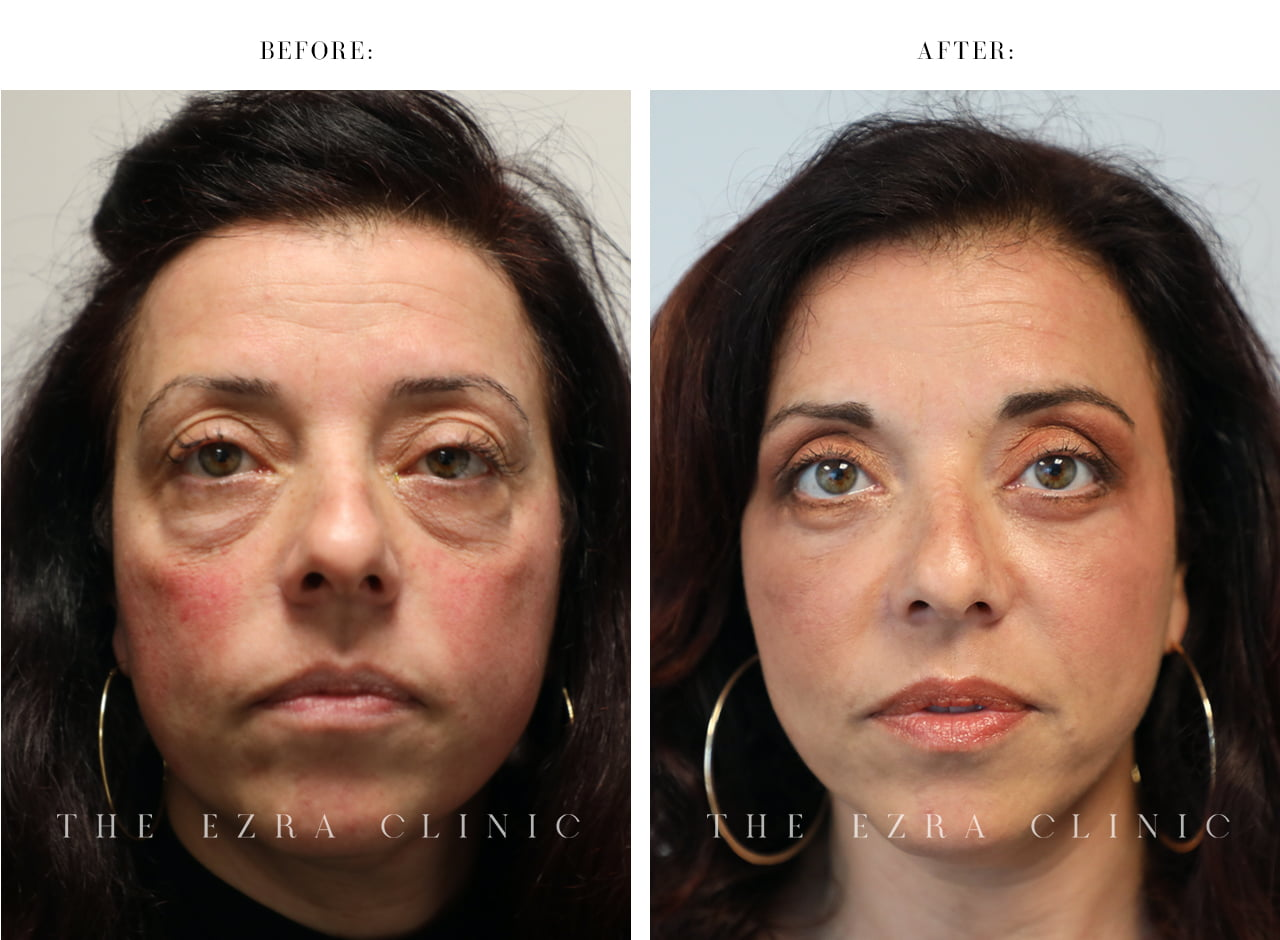
Upper blepharoplasty is one of the most popular facial cosmetic procedures today, especially among people who want to achieve a fresher and more youthful appearance without dramatically changing their natural features. When looking at upper blepharoplasty before and after photos, the transformation can often be impressive yet subtle. Excess skin disappears, the eyes appear more open, and the entire face can look more rested.
Many individuals choose this procedure because the upper eyelids are among the first areas of the face to show signs of aging. Loose skin, drooping eyelids, and puffiness can make someone appear tired, stressed, or older than they actually are. In some cases, excess eyelid skin can even interfere with vision, making upper blepharoplasty both a cosmetic and functional procedure.
If you have been researching upper blepharoplasty before and after results, understanding the process, recovery, and expected outcomes can help you make an informed decision. This guide covers everything you need to know, from the procedure itself to long-term results.
What Is Upper Blepharoplasty?
Upper blepharoplasty, commonly called upper eyelid surgery, is a procedure designed to remove excess skin, fat, and sometimes muscle from the upper eyelids. The goal is to create a smoother, firmer, and more youthful eye area while maintaining natural facial expressions.
As people age, the skin around the eyes gradually loses elasticity. This can lead to sagging eyelids, folds of skin, and puffiness. Genetics also play a major role, which means some individuals develop heavy eyelids even at a relatively young age. Upper blepharoplasty addresses these concerns by carefully reshaping the eyelid area.
The procedure is usually performed under local anesthesia with sedation, although general anesthesia may be used in some cases. Surgeons place incisions within the natural crease of the eyelid, making scars difficult to notice after healing. Most procedures take between one and two hours, depending on the complexity.
Upper Blepharoplasty Before and After: What Changes Can You Expect?
One of the biggest reasons people search for upper blepharoplasty before and after images is to understand how dramatic the results can be. While every patient is different, the procedure generally creates a more refreshed appearance rather than an entirely new look.
Before surgery, patients often experience drooping eyelids, excess skin, or puffiness that can make the eyes look smaller. After the procedure, the eyelids typically appear smoother, more defined, and more open. The eyes may look brighter, and the face often appears more energetic.
An important aspect of successful upper blepharoplasty is maintaining natural proportions. A skilled surgeon avoids over-removing skin or fat, ensuring that the eyes still look like the patient’s own eyes—just more youthful. The best before-and-after transformations are often those that look subtle and balanced.
The Recovery Process After Upper Blepharoplasty
Recovery is a key part of achieving the best upper blepharoplasty before and after results. While the procedure itself is relatively straightforward, healing takes time and patience.
Most patients experience swelling, bruising, and mild discomfort during the first week. Cold compresses and prescribed medications can help reduce these symptoms. Many people feel comfortable returning to work or social activities within 7 to 10 days, although some swelling may persist for a few weeks.
The majority of visible healing occurs within one month, but final results may continue to improve over several months as the tissues settle. Following the surgeon’s post-operative instructions, avoiding strenuous activity, and protecting the eyes from sun exposure are all important steps during recovery.
Patients are often surprised by how quickly they begin to notice positive changes. Even during the early healing stages, many report looking more awake and refreshed compared to their appearance before surgery.
Factors That Influence Before and After Results
Not all upper blepharoplasty before and after outcomes are identical because several factors affect the final appearance. Skin quality, age, genetics, and the severity of eyelid sagging all play a role.
The experience and skill of the surgeon are perhaps the most important factors. An experienced eyelid surgeon understands facial anatomy and can create results that enhance the eyes while preserving natural expressions. Choosing a qualified professional is essential for achieving satisfying outcomes.
Lifestyle habits also matter. Smoking, poor skincare, and excessive sun exposure can accelerate aging and affect long-term results. Maintaining healthy habits after surgery can help preserve the improvements for many years.
It is also important to have realistic expectations. Upper blepharoplasty can significantly improve the eye area, but it does not stop the natural aging process. Many patients enjoy their results for ten years or more, depending on individual factors.
Who Is a Good Candidate for Upper Blepharoplasty?
Ideal candidates for upper eyelid surgery are individuals with excess skin, drooping eyelids, or puffiness that affects appearance or vision. Most patients are over the age of 35, but younger people with inherited eyelid concerns may also benefit.
Good candidates should be in overall good health and have realistic expectations about the outcome. A consultation with a board-certified surgeon is the best way to determine whether the procedure is appropriate.
People who frequently compare upper blepharoplasty before and after photos often find that the surgery provides noticeable improvements without changing their identity. The procedure enhances existing features rather than creating an artificial look.
Candidates should also discuss any medical conditions, eye issues, or medications with their surgeon before scheduling surgery. Proper planning helps ensure a safe procedure and optimal healing.
How Long Do Upper Blepharoplasty Results Last?
One of the most common questions patients ask is how long their results will remain visible. Fortunately, upper blepharoplasty is known for providing long-lasting improvements.
Most patients enjoy the benefits for many years, often a decade or longer. While the aging process continues, the excess skin removed during surgery does not return. This means that even years later, patients usually continue to look younger than they would have without the procedure.
Maintaining a healthy lifestyle, using sunscreen, and following a proper skincare routine can help extend results. Some individuals also choose non-surgical treatments such as Botox or laser therapy to complement their surgical outcome.
When viewing upper blepharoplasty before and after images, it is important to remember that long-term success depends on both the procedure and ongoing care.
Final Thoughts on Upper Blepharoplasty Before and After
The popularity of upper blepharoplasty before and after searches reflects the growing interest in subtle facial rejuvenation. This procedure offers a way to reduce drooping eyelids, improve eye contours, and create a more rested appearance without altering a person’s natural identity.
For many patients, upper blepharoplasty is not about looking dramatically different—it is about looking refreshed, confident, and more like the version of themselves they feel inside. The improvements can be both cosmetic and functional, especially for those whose vision is affected by excess eyelid skin.
If you are considering upper eyelid surgery, researching before-and-after results and consulting with an experienced surgeon are essential steps. With realistic expectations and proper care, upper blepharoplasty can provide long-lasting and highly satisfying results that enhance both appearance and confidence.
You May Also Read: Wordmaticz