
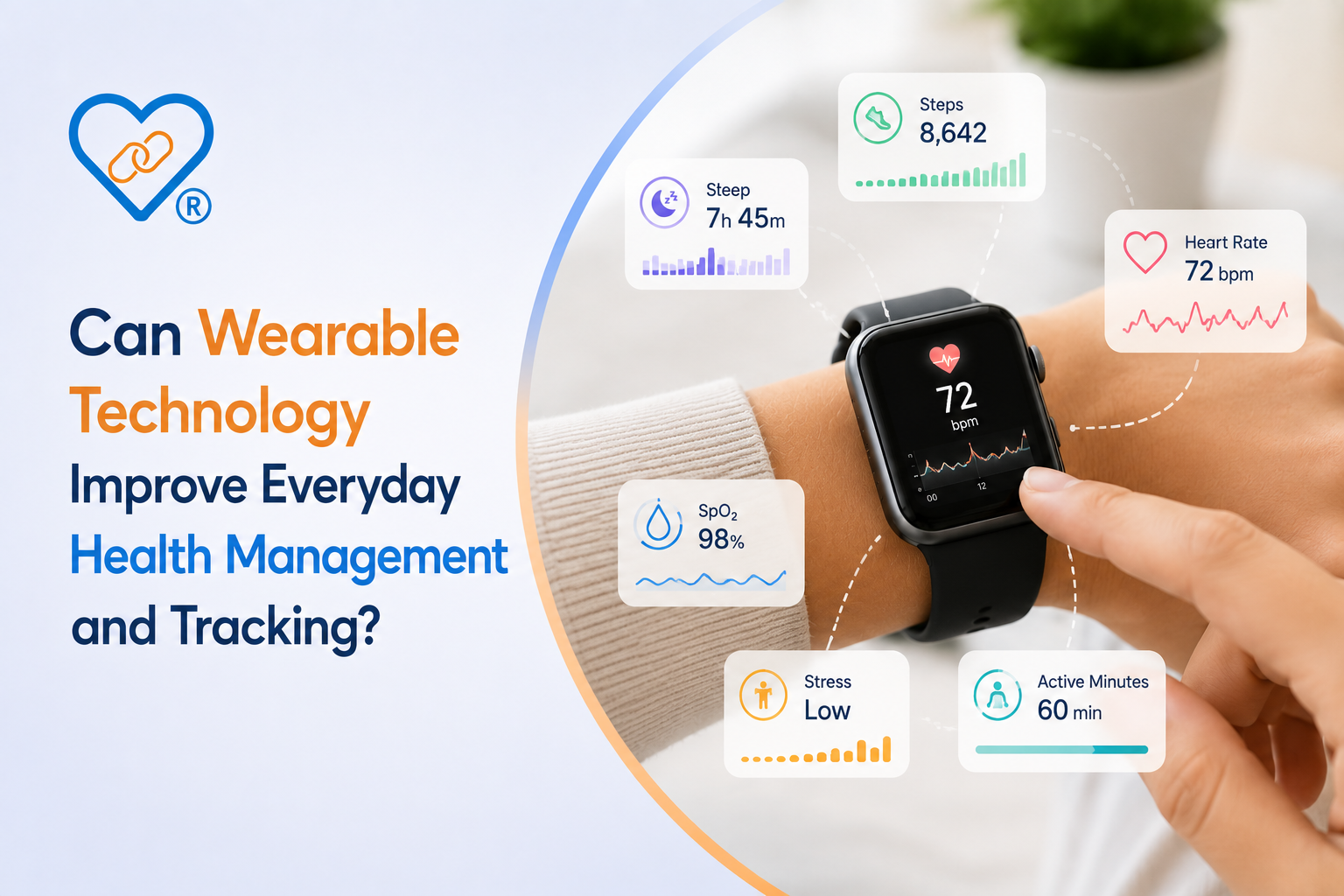
Technology has become a practical part of how people manage their daily routines, and health is no exception. From tracking sleep and movement to monitoring personal wellness patterns, modern wearable devices for healthcare are making health information easier to access throughout the day.
Instead of relying only on occasional checkups or manually recorded information, people can use wearable technology to develop a clearer picture of their everyday habits and make more informed lifestyle choices.
Making Everyday Health Tracking More Convenient
One of the biggest advantages of wearable technology is convenience. Traditional health tracking can require notebooks, apps, or separate equipment, which may make it difficult to maintain a consistent routine. Wearables bring several tracking functions into compact devices that can be worn during everyday activities.
Depending on the product, users may be able to monitor information related to movement, sleep, heart rate, activity levels, or other wellness indicators. Having this information available throughout the day can help people notice patterns that might otherwise go unnoticed.
For example, someone who frequently feels tired in the afternoon may begin looking at their sleep habits, daily activity, and rest periods. The information does not automatically explain why they feel tired, but it can encourage them to pay closer attention to their routines and discuss concerns with a qualified professional when appropriate.
Understanding Personal Wellness Patterns
Health tracking becomes more useful when people focus on trends rather than individual readings. A single measurement may not provide much context, while information collected consistently over time can help users recognize changes in their routines.
This is where health monitoring devices can become useful wellness companions. They can provide reminders, measurements, and activity information that encourage people to stay engaged with their everyday habits.
Some common areas that wearable technology may help users observe include:
- Daily movement and activity levels
- Sleep duration and general sleep patterns
- Exercise frequency and consistency
- Rest periods and daily routines
- Personal wellness goals and progress
The value comes from turning these observations into practical decisions. A person may decide to take more walking breaks, establish a more consistent bedtime, or create realistic activity goals based on what they notice.
Supporting More Informed Daily Decisions
Wearable technology does not need to replace professional healthcare to be useful. Its role can be much simpler: helping individuals become more aware of their own routines.
A health monitor device can provide information that encourages users to pay attention to changes in their everyday wellness. For instance, if activity levels consistently decline, a person may recognize the change and consider whether their schedule, work habits, or lifestyle needs adjustment.
This approach can make health management feel less like an occasional task and more like an ongoing process. Small observations can encourage small improvements, which may be easier to maintain than major lifestyle changes introduced all at once.
It is also important to understand the limits of wearable technology. Consumer devices can vary in accuracy, features, and measurement methods. Their readings should not automatically be treated as medical diagnoses. When someone has persistent symptoms or concerns about a particular health measurement, professional medical advice remains important.
Connecting Technology With Personal Wellness Goals
Modern wearables are increasingly moving beyond basic activity tracking. Many products are designed around broader wellness experiences, including mindfulness, motivation, sleep routines, goal setting, and personal reflection.
A dream band wearable, for example, represents how wearable technology can be connected with a person’s broader wellness journey rather than focusing only on numbers. The concept of combining technology with intention, visualization, and personal goals can make wellness tracking feel more engaging and individual.
This shift is important because information alone does not necessarily lead to better habits. People are more likely to stay engaged when technology fits naturally into their lifestyle and supports goals that matter to them.
The Growing Role of Connected Health Technology
Another important development is the increasing use of connected health devices. Wearables can work alongside smartphones, applications, and other digital platforms to create a more connected approach to personal wellness.
This connectivity can make it easier to review information, track progress, set reminders, and maintain awareness of personal goals. Instead of keeping health-related information scattered across different tools, connected systems can provide a more organized experience.
However, convenience should always be balanced with privacy and responsible data use. Before adopting a wearable, users should understand what information it collects, where that information is stored, and how it may be shared. Choosing products with clear privacy policies and appropriate security practices is an important part of responsible technology use.
Building Sustainable Wellness Habits
The long-term value of wearable technology ultimately depends on how people use it. Constantly checking numbers can become distracting, while ignoring the information makes the technology less useful. A balanced approach is usually more practical.
Users can focus on a few meaningful goals instead of trying to monitor everything at once. They can review trends periodically, use reminders when helpful, and treat wearable data as a source of awareness rather than a source of pressure.
This makes technology a supportive part of a healthy routine rather than another obligation. Whether the goal is becoming more active, improving sleep habits, maintaining mindfulness, or simply understanding daily routines, consistent awareness can help people make more thoughtful choices.
Conclusion
Wearable technology is changing how people interact with everyday wellness information. By making tracking more convenient and encouraging greater awareness of personal habits, these devices can support practical lifestyle improvements without replacing professional healthcare. As this technology continues to evolve, Dirac Links highlights the potential of combining wearable experiences with meaningful personal goals, helping wellness become a more engaging and intentional part of everyday life.