
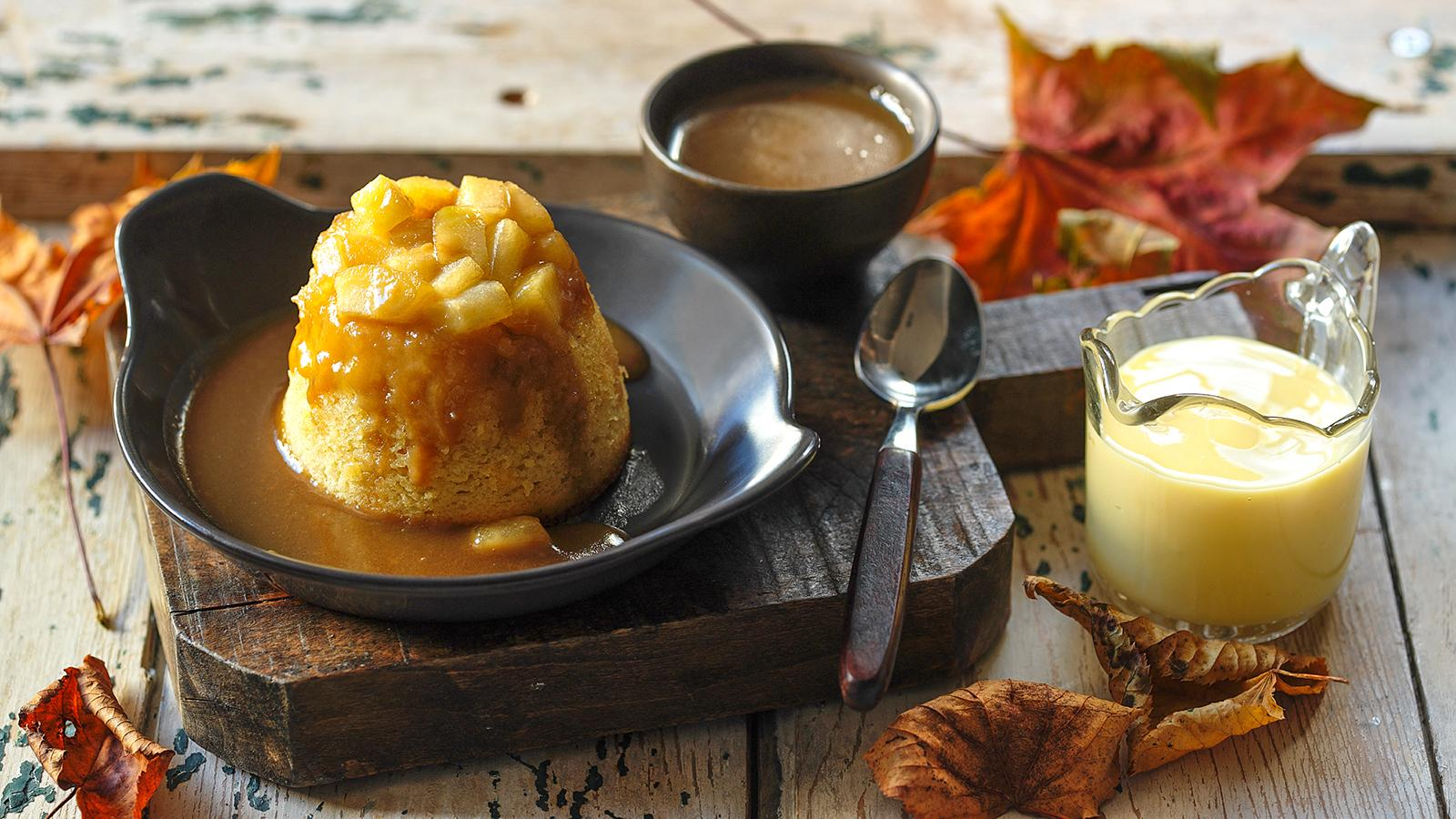
Apple sponge is one of those homemade cakes that proves you do not need complicated techniques or expensive ingredients to make something genuinely delicious. It combines the light, tender texture of a classic sponge cake with the natural sweetness and gentle tartness of apples. The result is comforting, fragrant and wonderfully suited to an afternoon cup of tea.
What makes apple sponge particularly appealing is its flexibility. You can prepare it with everyday ingredients, adjust the sweetness depending on the apples you have, and serve it warm or completely cooled. It can be a simple family dessert, a weekend baking project or an easy cake to bring when visiting friends.
A good apple sponge should be soft without being wet, lightly golden on top and full of delicate apple flavour. Getting that balance comes down to a few important details, including the type of apples you use, how you mix the batter and how you prepare the fruit. Once you understand those basics, the recipe becomes surprisingly straightforward.
What Is Apple Sponge?
Apple sponge is essentially a sponge-style cake made with fresh apples. Unlike a traditional plain sponge, the fruit adds moisture, flavour and texture to the cake. Depending on the recipe, apples may be peeled and sliced, diced into small pieces or arranged attractively across the surface before baking.
The word “sponge” usually refers to the light and tender structure of the cake. It should have enough air in the batter to feel soft rather than dense. Apples naturally add weight and moisture, so the challenge is making sure the cake remains fluffy while still containing plenty of fruit.
Apple sponge can vary considerably from one recipe to another. Some versions are rich and buttery, while others are lighter and rely on eggs and gentle mixing for their texture. Cinnamon, vanilla, nutmeg or lemon zest are also common additions because they complement the flavour of apples without overpowering them.
Choosing the Best Apples for Apple Sponge
The apples you choose can make a noticeable difference to the finished cake. Ideally, you want apples that hold their shape reasonably well during baking while becoming tender enough to blend naturally with the sponge. A little acidity is also helpful because it prevents the cake from tasting overly sweet.
Tart or slightly sharp apples work particularly well. Cooking apples can give the sponge a pronounced apple flavour, although they may soften more dramatically during baking. Eating apples can also be excellent, especially varieties with a good balance of sweetness and acidity.
There is no need to become overly concerned about finding one specific variety. In fact, combining a sweeter apple with a sharper one can create a more interesting flavour. The important thing is to avoid fruit that is excessively soft, bruised or watery, as this can affect both the taste and texture of the cake.
Ingredients You Need for a Homemade Apple Sponge
One of the best things about apple sponge is that the ingredient list is usually uncomplicated. A basic version can be made with flour, butter, sugar, eggs, baking powder and apples. Vanilla adds warmth, while a small amount of cinnamon can bring out the fruit’s natural character.
You will also need a little milk if the batter is too thick. The exact amount can vary because different flours, eggs and apples behave differently. The goal is a batter that is thick enough to hold the apples but soft enough to spread easily in the cake tin.
For the fruit, use fresh apples and prepare them shortly before adding them to the cake. Peeling is optional, but many bakers prefer peeled apples because the finished sponge has a smoother texture. If you like a rustic appearance, leaving some or all of the skin on can create attractive colour and texture.
How to Prepare the Apple Sponge Batter
Start by preparing your cake tin and preheating the oven. This is an easy step to overlook, but having the oven at the correct temperature before the batter goes in helps the cake rise properly. Grease the tin and line the base with baking paper if necessary.
Creaming the butter and sugar is another important part of the process when making a buttery sponge. Beat them until the mixture looks lighter and feels reasonably fluffy. Add the eggs gradually rather than all at once, mixing well after each addition. If the mixture looks slightly curdled, a little flour can usually bring it back together.
Sift the flour and baking powder before incorporating them into the wet mixture. Fold them through gently rather than aggressively beating the batter. Overmixing can develop the gluten in the flour and leave you with a heavier cake. Add vanilla, cinnamon or lemon zest at this stage if you are using them.
Preparing the Apples for Baking
The way you cut the apples affects both appearance and texture. Thin slices create a delicate layer of fruit that softens beautifully in the oven, while small cubes distribute apple throughout the sponge. Larger chunks give you more noticeable pieces of fruit in every bite.
If you are using apples that brown quickly, you can prepare them just before adding them to the batter. A small amount of lemon juice can help slow down browning, although there is usually no need to soak the fruit for an extended period.
Try not to add excessive amounts of apple simply because you love the fruit. Too much moisture can make the centre of the cake heavy or underbaked. A balanced amount allows the sponge to rise around the apples while still giving you plenty of fruit flavour.
Baking Apple Sponge to Perfection
Once the batter is ready, transfer it to the prepared tin and spread it evenly. If you are using apple slices on top, arrange them gently rather than pressing them deeply into the batter. A light sprinkle of cinnamon or sugar can create an appealing finish.
Bake the cake until the surface is golden and a skewer inserted into the sponge comes out clean or with only a few moist crumbs attached. The exact baking time depends on the size and depth of the tin, as well as your oven, so it is better to judge the cake by its appearance and texture rather than relying entirely on the clock.
Avoid opening the oven repeatedly while the cake is rising. Sudden changes in temperature can interfere with the structure of a sponge. Once the cake is properly baked, let it rest in the tin for several minutes before transferring it to a wire rack to cool.
How to Keep Apple Sponge Soft and Moist
The biggest mistake with apple sponge is often overbaking. Because apples contain moisture, the cake can take a little longer to cook in the centre than a plain sponge. However, leaving it in the oven for too long can dry out the edges and make the crumb less tender.
Measuring ingredients accurately also matters. Too much flour can produce a dry, heavy cake, while excessive liquid can make the centre gummy. For consistent results, weighing flour and sugar is generally more reliable than using cups.
Once cooled, store the cake in an airtight container. It is usually best enjoyed within a couple of days, although the exact shelf life depends on the ingredients and storage conditions. If you prefer a warm dessert, a short reheating period can make the apple aroma especially inviting.
Flavour Variations Worth Trying
Classic apple sponge is delicious on its own, but it is also an excellent base for experimentation. Cinnamon is probably the easiest addition, giving the cake a warm flavour that pairs naturally with baked apples. A little nutmeg can add depth, while lemon zest gives the sponge a brighter character.
For extra texture, chopped walnuts or pecans can be folded into the batter. Raisins or sultanas are another traditional option, particularly if you enjoy a sweeter, more fruit-filled cake. Just remember that additions should complement the sponge rather than overwhelm it.
You can also experiment with the topping. A light dusting of icing sugar gives the cake a simple bakery-style appearance, while a small amount of cinnamon sugar creates a slightly crisp surface. For a more indulgent dessert, serve individual slices with custard, cream or vanilla ice cream.
The Best Ways to Serve Apple Sponge
Apple sponge is wonderfully versatile when it comes to serving. Fresh from the oven, it can be enjoyed warm with a spoonful of custard. The contrast between the soft cake, tender apple and creamy custard makes it particularly satisfying during colder weather.
At room temperature, the cake works beautifully with tea or coffee. You can simply cut it into slices and serve it without any topping. This is perhaps the best way to appreciate the balance between the buttery sponge and naturally sweet fruit.
For a more polished dessert, add lightly whipped cream and a few thin apple slices on the side. You do not need elaborate decoration because the apples themselves provide plenty of visual appeal.
Common Apple Sponge Mistakes to Avoid
One common problem is using too many apples. More fruit does not automatically mean a better cake. If the batter becomes overloaded, the sponge may struggle to rise and the centre can remain overly moist.
Another mistake is overmixing after adding the flour. Once the dry ingredients are incorporated, mix only until everything is combined. A gentle approach helps preserve the light texture that makes sponge cake so appealing.
Finally, do not cut into the cake immediately after taking it from the oven. Allowing it to settle makes the crumb easier to slice and reduces the chance of the centre collapsing. Patience for a few minutes can make a surprisingly big difference.
Why Apple Sponge Is Such a Reliable Homemade Cake
Apple sponge has stayed popular for good reason. It is approachable enough for beginner bakers but still offers plenty of opportunities for experienced cooks to refine their technique. The ingredients are familiar, the method is flexible and the finished cake feels homemade in the best possible way.
It is also a recipe that adapts naturally to different occasions. You can keep it simple for an everyday family dessert or dress it up with cream and custard when guests arrive. Because apples are widely available, it is an especially practical cake throughout much of the year.
Most importantly, apple sponge delivers the kind of flavour people often associate with traditional home baking: warm fruit, soft cake and gentle spices. It does not need complicated decoration or a long list of ingredients to be impressive.
Final Thoughts on Apple Sponge
A well-made apple sponge is proof that simple baking can be incredibly rewarding. The combination of tender sponge and soft baked apples creates a dessert that feels comforting without being excessively rich. With good-quality fruit, careful mixing and sensible baking, you can achieve excellent results with relatively little effort.
The key is balance. Choose apples with plenty of flavour, avoid adding too much moisture, mix the batter gently and keep an eye on the cake as it approaches the end of its baking time. Once those fundamentals are right, you can confidently experiment with cinnamon, nuts, dried fruit or different serving ideas.
Whether you are looking for an easy weekend bake, a traditional dessert for the family or a simple cake to accompany an afternoon drink, apple sponge is a dependable choice. It is uncomplicated, adaptable and delicious—and sometimes those are exactly the qualities that make a homemade cake worth baking again and again.
You May Also Read: Wordmaticz