
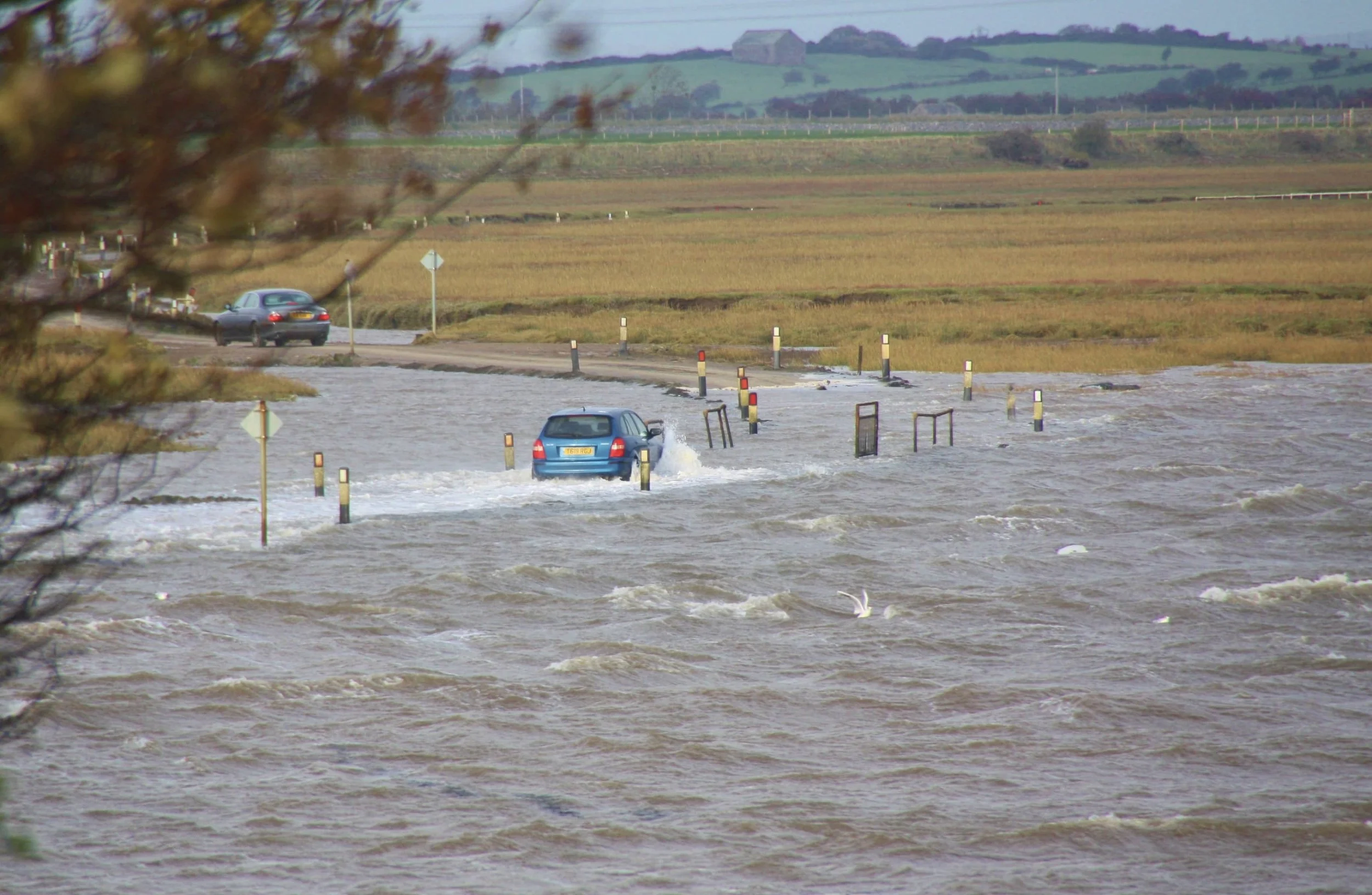
Sunderland tide times are useful for far more than simply knowing when the sea will be high or low. Along the Sunderland coastline, the changing tide can affect beach walks, fishing, photography, rockpooling, boating and general plans around the shore. Because the North East coast experiences noticeable changes in water level throughout the day, checking the tide before heading out can make a trip more enjoyable and, importantly, safer.
The coastline around Sunderland includes popular areas such as Roker, Seaburn and the beaches around the mouth of the River Wear. Each location has its own character, but they are all influenced by the same basic tidal cycle. Tide tables generally provide predicted times for high and low water, along with the expected height of the tide. These predictions give visitors a useful starting point for planning their day.
It is also worth remembering that tide predictions are forecasts rather than guarantees of exactly what will happen at every point on the coastline. Wind direction, atmospheric pressure and local conditions can influence the actual water level. Online tide services and published local tables can therefore be extremely useful, but they should be considered alongside weather forecasts, coastal warnings and local safety information. Published Sunderland tables, for example, provide predicted high and low waters for the local coast.
What Are Sunderland Tide Times?
Sunderland tide times show when the sea is expected to reach high water and low water at the relevant tidal location. Most days have two high tides and two low tides, although the exact pattern can vary. The times gradually move from one day to the next, which means that a high tide at lunchtime today may occur later or earlier tomorrow.
A tide table normally gives two important pieces of information: the time of the tide and its predicted height. The height is usually measured in metres, and it helps indicate how far the sea is expected to rise relative to the chart datum used for that location. For example, Sunderland predictions can show high tides above five metres during stronger tidal periods.
For anyone planning a coastal visit, both numbers matter. A low tide may expose sections of beach, rocks and other features that disappear beneath the water at high tide. Conversely, a high tide can reduce the amount of accessible sand and may make certain coastal routes unsuitable. Understanding the difference is particularly helpful if you are planning to spend several hours close to the water.
Why Checking Sunderland Tide Times Matters
One of the simplest reasons to check Sunderland tide times is convenience. A person planning a long beach walk may prefer to visit around low tide when more sand is exposed, while another visitor might enjoy seeing the waves at high tide. Anglers also use tide information when deciding when and where to fish because tidal movement can influence fish activity and access to particular fishing spots.
Tide information becomes even more useful when exploring rocky sections of the coast. Areas that appear easy to reach when the tide is falling can become surrounded by water after several hours. It is surprisingly easy to lose track of time while walking, taking photographs or looking around rock pools. Knowing the next high tide gives you a reference point for deciding when to turn back.
Safety is the biggest reason not to ignore the tide. Coastal conditions can change quickly, particularly when strong winds or large waves are present. A tide table does not replace common sense or local warnings, but it gives you essential information about the natural movement of the sea. Local tide information specifically warns that predictions can differ from conditions at individual beaches, making it sensible to check weather and local guidance as well.
High Tide and Low Tide in Sunderland
High tide is the point in the tidal cycle when the sea reaches its predicted maximum level before beginning to fall again. Around Sunderland, high tide can transform the appearance of the coastline. Beaches may become narrower, waves can reach further up the shore and some rocky areas can become difficult or impossible to access.
Low tide is the opposite stage, when the sea reaches its predicted minimum level before beginning to rise again. This can reveal larger areas of sand and exposed rock. For walkers and photographers, low tide can create interesting opportunities because the changing shoreline reveals textures, pools and coastal features that are hidden during high water.
The difference between high and low water is not identical every day. Tidal ranges become larger during certain parts of the lunar cycle and smaller during others. Sunderland tide data from different periods illustrates this variation, with some days showing substantial differences between predicted high and low water.
How the Moon Affects Sunderland Tide Times
The Moon plays a major role in producing the Earth’s tides. Its gravitational pull contributes to the movement of ocean water, while the Sun also has an influence. As the positions of the Earth, Moon and Sun change, the strength of the combined tidal effect changes as well.
During spring tides, the tidal range becomes greater. This means high tides tend to be higher and low tides tend to be lower than during periods of smaller tidal ranges. Spring tides occur around the new moon and full moon phases. Despite the name, they have nothing specifically to do with the season of spring.
Neap tides occur when the tidal range is smaller. Tide services commonly identify these changes alongside lunar information, allowing users to see how the tide cycle develops. Sunderland tide tables also provide moon phases and tidal curves, which can be useful for understanding why the predicted heights change from one day to another.
Sunderland Tide Times for Beach Walks
Beach walking is one of the easiest ways to make use of Sunderland tide times. If you want maximum space on the beach, a falling tide approaching low water can often be attractive. However, the best time depends on the exact route and what you want to see. Some people prefer walking shortly after low tide, while others enjoy the atmosphere created by an incoming sea.
A sensible approach is to check both the tide and the weather before leaving home. A low tide does not automatically mean calm conditions. Strong winds can produce large waves, while rain and poor visibility can make coastal paths less pleasant. Tide information tells you about water levels, but it does not predict every aspect of the sea state.
It is also important to think about the return journey. If you walk out while the tide is going down, remember that the sea will eventually turn and begin coming back in. A route that is comfortable at low water can become much narrower later. Planning around the complete tidal cycle is much better than looking only at the next low tide.
Using Sunderland Tide Times for Fishing
Anglers have another strong reason to keep an eye on Sunderland tide times. The movement of water can affect feeding patterns, bait movement and the conditions around different fishing marks. Experienced anglers often look at the direction and strength of the tide rather than treating high or low water as isolated events.
The period around a change of tide can be particularly interesting, although the best fishing window depends on species, location, weather, water clarity and other factors. There is no universal rule saying that every Sunderland fishing session will be best exactly at high tide or exactly at low tide.
Tide height can also affect access. A fishing location may be easy to reach at one stage of the cycle but considerably more exposed to waves or water at another. Anyone fishing from rocks should pay close attention to the conditions rather than relying solely on a predicted tide time.
Sunderland Tide Times at Roker and Seaburn
Roker and Seaburn are among the best-known coastal areas associated with Sunderland, and tide information can be particularly useful when planning visits there. The appearance of the beaches changes noticeably as the water moves in and out, making the tide an important part of the coastal experience.
At lower water, more of the beach may be available for walking and exploring. At higher water, the sea moves closer to the developed beachfront and the character of the coast changes. This can make high tide especially appealing to photographers who want dramatic waves, while low tide can be better for those interested in the wider beach.
Even on familiar beaches, visitors should avoid assuming that conditions will always be the same. Wind, waves and the tide work together, so a forecast that looks harmless on paper can feel very different at the water’s edge. Checking current conditions before setting out remains a sensible habit.
How Far Ahead Can You Check Sunderland Tide Times?
Most online tide services provide predictions several days ahead, while annual tide tables can provide information for much longer periods. One Sunderland tide service, for example, presents a calendar with tide predictions several days in advance, including high and low tide times, heights, sunrise, sunset and moon information.
Long-range predictions are useful when planning holidays, fishing trips or photography sessions. However, the closer you get to the actual date, the more useful it becomes to check the latest information. Weather and coastal conditions cannot be understood from a tide table alone.
For a trip tomorrow, checking the tide shortly before leaving is a good routine. For a trip several weeks away, use the longer-range tide table as an initial planning tool and then revisit it closer to the date. This gives you the benefits of early planning without treating a distant prediction as an absolute guarantee.
What Is the Best Time to Visit Sunderland Beach?
There is no single best tide time for everyone. The ideal time depends on what you want to do. If your priority is a broad stretch of beach, low tide may be more appealing. If you want dramatic waves and a more energetic coastal atmosphere, high tide could be the better choice.
Photographers may want to compare different stages of the tide because the same location can look completely different within a few hours. Wet sand can create reflections, exposed rocks can add foreground detail and incoming waves can create more movement in photographs.
For families, the priority should be safety and comfortable conditions rather than chasing a particular tide height. If children are playing near the water, adults should maintain close supervision and stay aware of changing conditions. The tide should be treated as an active part of the environment rather than simply a timetable entry.
Tips for Checking Sunderland Tide Times Before You Go
The easiest approach is to check a reliable tide table for Sunderland and note the day’s high and low waters. Tide services can provide the predicted times and heights, while local sources may also provide Sunderland-specific information for areas including Roker, Seaburn and the wider Wearside coast.
Next, check the weather forecast. Wind direction and strength can have a significant effect on how the sea behaves. A predicted low tide does not mean the beach will necessarily be calm, and a high tide combined with strong onshore winds can create much rougher conditions than the tide table alone suggests.
Finally, give yourself plenty of time. Do not plan to reach an exposed area just as the tide is rising unless you are completely confident that the route remains safe. Keep an eye on the sea while you are there, and if conditions look worse than expected, change your plans. A good coastal trip is one where you return safely, not one where you manage to follow the original itinerary at any cost.
Final Thoughts on Sunderland Tide Times
Sunderland tide times are a simple but valuable tool for anyone spending time on the North East coast. Whether you are planning a quiet beach walk, a fishing session, a photography trip or a family day beside the sea, knowing when high and low water are expected can help you make better decisions.
The key is to look beyond the clock. Tide times tell you when the water is expected to rise and fall, while tide heights indicate the scale of the change. Weather, wind, waves, daylight and the exact location all need to be considered as well. Online tide tables can provide a convenient starting point, but they should always be treated as predictions rather than a guarantee of local conditions.
Most importantly, check the information close to your visit and remain aware of your surroundings once you reach the coast. Sunderland’s shoreline can look completely different from one part of the tidal cycle to another, and that is part of what makes it so interesting. With sensible planning and a good understanding of Sunderland tide times, visitors can enjoy the coastline while making their trip considerably more comfortable and responsible.
You May Also Read: Wordmaticz