
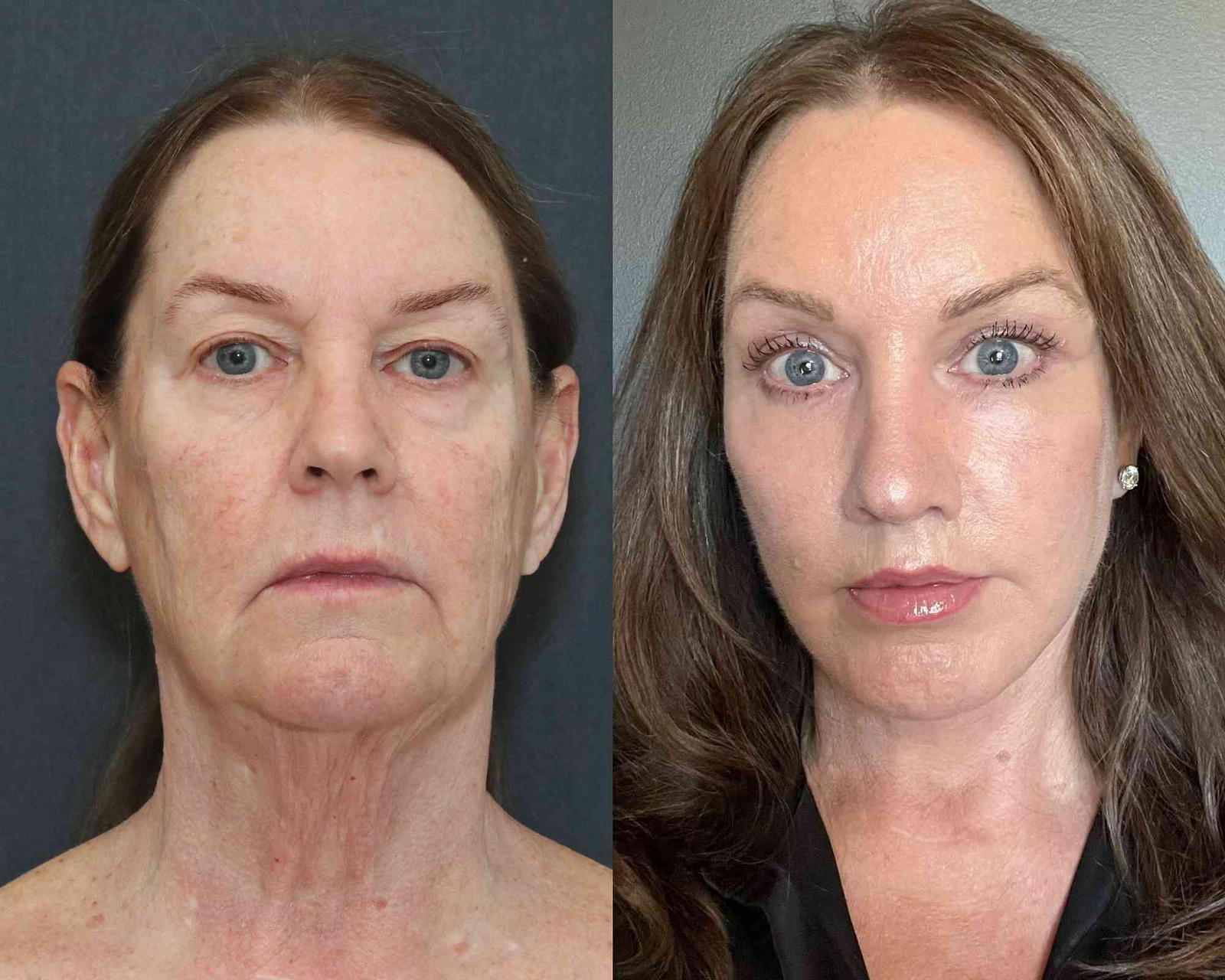
When people search for facelift before and after photos, they are usually trying to understand one simple thing: what can a facelift realistically change? A facelift is designed to address visible signs of facial aging, particularly sagging skin, loose tissues, and changes along the jawline and lower face. While photographs can provide useful visual context, the actual result depends on factors such as age, skin quality, facial structure, surgical technique, and the individual’s healing process.
Looking at facelift before and after images can also help set realistic expectations. A successful facelift does not usually make someone look like a completely different person. Instead, the goal is generally to create a refreshed appearance while maintaining recognizable facial features. Modern techniques focus on repositioning deeper tissues as well as managing excess skin, rather than simply pulling the skin tightly.
It is also important to remember that photographs can be misleading if they are not presented consistently. Lighting, camera angle, facial expression, makeup, hairstyle, and even the distance between the camera and the face can make a noticeable difference. For that reason, facelift before and after comparisons are most useful when the photographs are taken under similar conditions and viewed alongside information about the procedure.
What a Facelift Is Designed to Change
A facelift, medically known as rhytidectomy, primarily addresses visible aging in the lower and sometimes middle portions of the face. Common concerns include jowls, loose skin around the jawline, folds near the mouth, and laxity along the cheeks and neck. The exact areas treated depend on the technique chosen and the patient’s anatomy.
One of the most noticeable changes in many facelift before and after comparisons is a more defined jawline. As facial tissues lose elasticity with age, skin and underlying structures can descend toward the lower face. This can soften the transition between the face and neck. A facelift can reposition tissues and remove carefully selected excess skin to create a more structured contour.
A facelift does not necessarily correct every sign of facial aging. Fine lines, sun damage, uneven pigmentation, and changes in skin texture may remain. Procedures such as resurfacing, chemical peels, or other treatments may address some of these concerns, but they are separate considerations. Understanding this distinction makes facelift before and after photographs easier to interpret.
How to Read Facelift Before and After Photos
The best way to evaluate facelift before and after photographs is to look for consistent changes rather than focusing on one dramatic feature. Examine the jawline, lower cheeks, folds around the mouth, neck contour, and overall facial proportions. A natural result often involves subtle improvements across several areas rather than an exaggerated change in one location.
Try to compare photographs taken from the same angle. Ideally, the patient should be facing forward, looking directly at the camera, with similar lighting and a neutral expression. Side and three-quarter views can also be helpful because they may reveal changes in the neck and jawline that are difficult to appreciate from a frontal photograph.
It is also useful to distinguish between an immediate postoperative photograph and a fully healed result. Swelling and bruising can temporarily alter facial proportions. Therefore, a picture taken shortly after surgery should not be treated as the final outcome. When reviewing facelift before and after results, always consider how long after surgery the second photograph was taken.
What Happens During the Healing Process
Recovery after a facelift varies from person to person. Swelling and bruising are common during the early stages, and the face may feel tight or uncomfortable. Some areas can temporarily feel numb or different from normal. These effects generally change as healing progresses, although the timeline differs among individuals.
During the first several weeks, the face may not look like the polished results commonly seen in facelift before and after galleries. This is completely different from judging the final surgical outcome. Early swelling can obscure definition, while minor asymmetries may become more noticeable temporarily as different areas heal at different rates.
Over the following weeks and months, swelling gradually settles and tissues continue to heal. Scars also mature with time and usually become less noticeable. Because healing continues after the initial recovery period, patients should be patient when assessing their facelift before and after transformation.
Factors That Influence the Final Result
Every face responds differently to surgery. Skin elasticity is one important factor. Individuals with relatively good skin quality may experience different degrees of skin contraction compared with someone whose skin has significant sun damage or reduced elasticity.
Age is another consideration, although there is no single ideal age for everyone. Surgeons generally assess facial anatomy, skin laxity, overall health, and the patient’s specific concerns rather than relying on age alone. This is why two people of the same age can have very different facelift before and after results.
Lifestyle can matter as well. Sun exposure, smoking, nutrition, weight fluctuations, and skincare habits can influence skin quality and healing. Maintaining a stable weight and protecting the skin from ultraviolet exposure can help support the appearance of the face over time, although these measures cannot stop the natural aging process.
Facelift Techniques Can Produce Different Results
Not every facelift is performed using the same technique. Traditional facelifts can address significant laxity in the lower face and neck, while shorter or more limited procedures may be considered when the changes are less extensive. The appropriate technique depends on anatomy and the patient’s goals.
Modern facelift surgery often involves attention to deeper facial structures rather than relying exclusively on skin tension. Techniques may involve repositioning or tightening the superficial musculoaponeurotic system, commonly called the SMAS, or using approaches that address deeper tissue layers. The surgeon chooses the method based on the patient’s anatomy and desired correction.
This variation explains why one person’s facelift before and after photographs may look very different from another person’s results. A procedure designed to address moderate jowling is not necessarily comparable with surgery intended to correct substantial lower-face and neck laxity.
The Role of the Neck in Facelift Results
The neck can have a major impact on the overall appearance of the lower face. Loose skin beneath the chin, visible neck bands, and reduced definition between the jaw and neck can contribute to an aged appearance. Depending on the patient’s anatomy, a facelift may be combined with a neck lift or other techniques to address these concerns.
In facelift before and after comparisons, look carefully at the area beneath the chin and along the sides of the neck. A smoother neck contour can make the jawline appear more defined and can contribute significantly to the overall change.
However, not every patient needs the same degree of neck treatment. Someone with minimal neck laxity may require a different approach from someone with considerable loose skin. A qualified facial plastic surgeon or plastic surgeon can determine whether the neck should be treated as part of the surgical plan.
What a Facelift Does Not Do
A facelift is not a treatment for every facial aging concern. It is primarily a contouring and tissue-repositioning procedure. It can improve laxity and sagging, but it does not completely eliminate every wrinkle or restore youthful skin texture.
For example, pigmentation caused by sun exposure is not typically corrected by a facelift. Fine lines around the eyes may also remain, and changes in facial volume may require a different approach. Some people combine a facelift with other procedures, but those decisions should be based on individual anatomy and medical advice.
This is an important point when looking at facelift before and after photographs. A beautifully improved jawline does not necessarily mean every aspect of facial aging has been corrected. Understanding what the procedure can and cannot accomplish helps create more realistic expectations.
Choosing a Qualified Surgeon
The surgeon’s experience can be an important consideration when evaluating facelift surgery. Facial anatomy is complex, and achieving a natural-looking result requires careful planning. Prospective patients should look for a properly qualified, appropriately licensed surgeon with specific experience performing facial rejuvenation procedures.
During a consultation, patients can discuss their concerns, review suitable techniques, and ask to see relevant facelift before and after examples. Ideally, those examples should involve patients with similar anatomical concerns rather than simply selecting the most dramatic photographs.
A consultation is also an opportunity to discuss risks, recovery, scars, anesthesia, expected results, and alternatives. Patients should feel comfortable asking detailed questions and should understand that no surgeon can guarantee an identical result to a photograph of another person.
Final Thoughts on Facelift Before and After Results
The most valuable facelift before and after comparisons are not necessarily the most dramatic ones. A natural result may involve a smoother jawline, reduced sagging, improved neck definition, and a fresher overall appearance while preserving the individual’s identity and facial character.
It is equally important to give the healing process enough time. Early photographs can show swelling and temporary changes that do not represent the final out
You May Also Read: Wordmaticz