
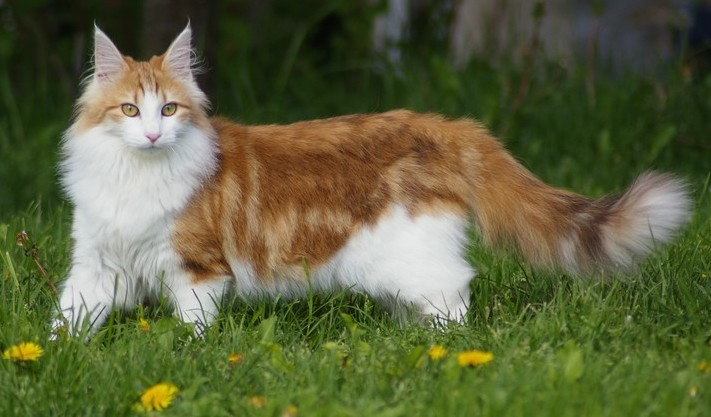
The Norwegian Forest Cat is one of those cat breeds that can look wonderfully wild while being a surprisingly friendly companion at home. With its long, flowing coat, large body, tufted ears, and impressive tail, this breed has an unmistakable appearance. It is easy to understand why so many cat lovers are fascinated by it.
Despite its dramatic appearance, the Norwegian Forest Cat is generally known for having a gentle and adaptable personality. These cats can be affectionate without constantly demanding attention, making them appealing to people who enjoy a companionable pet with some independence. They are also intelligent, curious, and often interested in whatever is happening around the house.
Whether you are considering adopting one or simply want to learn more about the breed, understanding its history, temperament, grooming needs, diet, activity level, and general care is important. The Norwegian Forest Cat has several characteristics that make it different from an ordinary domestic long-haired cat, and knowing what to expect can help you provide the right environment.
The History of the Norwegian Forest Cat
The Norwegian Forest Cat has deep roots in Norway and is commonly associated with the country’s cold, rugged environment. Its natural development over generations helped produce a cat capable of coping with chilly temperatures and changing weather. Rather than being created primarily through selective breeding for appearance, the breed’s physical characteristics are strongly connected to its natural history.
Norwegian folklore also contains stories of large, magical cats associated with forests and mythology. Some traditional tales describe enormous cats capable of climbing and moving through difficult terrain. Although these stories are not scientific evidence of the breed’s origins, they have contributed to the Norwegian Forest Cat’s distinctive cultural identity.
The breed eventually became recognized beyond Norway, particularly as organized cat breeding became more common. Today, the Norwegian Forest Cat is recognized by major cat organizations and is appreciated internationally. Its combination of natural beauty, athletic ability, and pleasant temperament has helped it remain popular among experienced cat owners.
What Does a Norwegian Forest Cat Look Like?
The Norwegian Forest Cat is a large, sturdy cat with a powerful but balanced body. Adults can take several years to reach full physical maturity, so a young cat may continue developing long after it appears relatively large. Males are typically bigger than females, although individual size can vary considerably.
One of the breed’s most recognizable features is its luxurious double coat. The outer coat is relatively long and water-resistant, while the undercoat provides additional insulation. The coat can look especially impressive around the neck and chest, where a prominent ruff may develop. The long tail is another defining feature and often appears particularly full and fluffy.
The head usually has a distinctive triangular appearance, complemented by large ears. Ear furnishings and tufts can contribute to the breed’s wild-looking expression. The eyes may appear in various colors, depending partly on coat characteristics. Norwegian Forest Cats also come in many different coat colors and patterns, so there is considerable variation among individual cats.
Norwegian Forest Cat Personality and Temperament
Despite its imposing appearance, the Norwegian Forest Cat is generally described as friendly, intelligent, and relatively easygoing. Many individuals enjoy being near their families without necessarily needing to sit on someone’s lap all day. This can make the breed a good choice for people who appreciate affection combined with independence.
These cats tend to be curious and observant. A Norwegian Forest Cat may follow you from room to room, investigate a new object, watch birds through a window, or inspect anything that seems unusual. Their intelligence means they often enjoy activities that require more than simply chasing a toy across the floor.
Socialization still matters, because every cat has an individual personality. Some Norwegian Forest Cats may be outgoing and confident, while others can be quieter or more reserved. Giving a kitten positive experiences with people, household sounds, handling, and appropriate environments can help encourage a confident adult personality.
Are Norwegian Forest Cats Good Family Pets?
A well-socialized Norwegian Forest Cat can fit comfortably into many family environments. Its generally calm and adaptable nature can work well in a household where people understand that cats need opportunities to retreat and relax. Families should always teach children to handle cats gently and respect their boundaries.
The breed can also live successfully with other pets when introductions are handled gradually. Because Norwegian Forest Cats can retain strong climbing and hunting instincts, they may be particularly interested in smaller animals. A household with birds, rodents, or other vulnerable pets should take appropriate precautions rather than assuming every cat will ignore them.
Their affectionate nature does not necessarily mean they want constant physical contact. Some may enjoy sitting nearby rather than being carried around. Respecting these preferences is an important part of building trust with any cat, including the Norwegian Forest Cat.
Grooming a Norwegian Forest Cat
The beautiful coat of a Norwegian Forest Cat requires regular attention. Although the coat is designed to protect the cat from harsh weather, it can still develop tangles and mats, particularly during seasonal shedding. Regular brushing helps remove loose hair and keeps the coat in better condition.
A grooming routine can be especially useful during periods when the cat sheds heavily. Depending on the individual cat’s coat and lifestyle, brushing several times a week may be helpful, while some cats may require more frequent attention. Starting grooming while the cat is young can make the process much easier later.
Grooming should not be limited to the coat. Owners should also monitor the cat’s claws, ears, and teeth. Dental care is particularly important because cats can develop dental disease without showing obvious signs at first. Regular veterinary examinations can help identify problems that are difficult to notice at home.
Feeding and Nutrition Needs
Norwegian Forest Cats need a nutritionally complete diet appropriate for their age, body condition, and activity level. Kittens have different nutritional requirements from adults, while senior cats may also need dietary adjustments. Rather than choosing food simply because it is marketed toward large cats, owners should focus on overall nutritional quality and appropriate portions.
Portion control is important because even an active cat can gain excess weight if it consistently consumes more calories than it uses. A Norwegian Forest Cat’s large frame can make weight gain difficult to notice at first. Regularly monitoring body condition is therefore more useful than relying solely on the number on a scale.
Fresh water should always be available. Some cats prefer drinking from moving water, so a fountain may encourage increased water consumption, although it is not essential for every cat. If a cat suddenly drinks much more or much less than usual, the change should be discussed with a veterinarian.
Exercise and Enrichment
The Norwegian Forest Cat may look relaxed, but it is not simply a decorative house cat. This breed has a history associated with climbing, exploring, and surviving in challenging environments. Providing opportunities for physical activity can help keep both body and mind healthy.
Tall cat trees, sturdy shelves, scratching posts, interactive toys, and safe climbing areas can be excellent additions to a home. Many Norwegian Forest Cats enjoy being able to move vertically, so giving them access to elevated spaces can satisfy natural instincts while also providing a comfortable place to observe the household.
Mental stimulation matters just as much as physical exercise. Puzzle feeders, interactive play sessions, and rotating toys can prevent boredom. Short play sessions spread throughout the day may be more engaging than leaving the same toy on the floor continuously. The goal is to create an environment where the cat has reasons to explore, think, climb, and play.
Health Considerations for Norwegian Forest Cats
Like all cats, Norwegian Forest Cats can experience a range of health conditions. Being a particular breed does not guarantee either perfect health or inevitable illness. Responsible breeding, appropriate nutrition, preventive veterinary care, and attention to changes in behavior can all contribute to a healthier life.
Potential inherited concerns are one reason it is useful to work with a responsible breeder when purchasing a kitten. A reputable breeder should be able to discuss the health history of their breeding cats and provide appropriate veterinary documentation. Prospective owners should be comfortable asking questions rather than choosing solely on appearance.
Routine veterinary visits are also important. Vaccinations, parasite prevention, dental assessments, weight monitoring, and general physical examinations can help maintain long-term health. Owners should pay attention to changes such as reduced appetite, unusual hiding, difficulty jumping, changes in litter-box habits, or alterations in grooming behavior.
Norwegian Forest Cat and Apartment Living
It is possible for a Norwegian Forest Cat to live in an apartment, provided the environment is properly enriched. The size of the home is not the only factor that matters. A smaller home with climbing structures, scratching areas, interactive toys, and safe resting spaces may be more suitable than a larger but unstimulating environment.
Because these cats often enjoy climbing, vertical space can be particularly valuable. A secure cat tree or wall-mounted climbing system can effectively increase the usable territory available to the cat. Windows with safe viewing areas can also provide entertainment, especially when the cat can watch outdoor activity.
Safety is important in an apartment. Windows and balconies should be secured against falls, and plants should be checked for toxicity before bringing them indoors. A curious cat can quickly investigate areas that owners might not consider dangerous, so basic pet-proofing is worthwhile.
How Much Attention Does a Norwegian Forest Cat Need?
The Norwegian Forest Cat often strikes a comfortable balance between companionship and independence. It may enjoy spending time with its people while still being perfectly content to entertain itself for periods of the day. This makes the breed appealing to owners who want an affectionate pet without a cat that requires continuous attention.
However, independence should not be confused with a lack of social needs. Cats benefit from predictable interaction, play, environmental enrichment, and positive human contact. A Norwegian Forest Cat left alone for long periods with nothing to do may become bored, just like other intelligent breeds.
Learning the individual cat’s communication style is the best approach. Some may greet their owners with vocalizations, while others communicate primarily through body language. Watching the ears, tail, posture, facial expression, and overall behavior can tell you a great deal about how your cat is feeling.
Is a Norwegian Forest Cat Right for You?
The Norwegian Forest Cat can be an excellent companion for someone who appreciates a large, intelligent, active, and affectionate cat. Its magnificent coat and distinctive appearance are obvious attractions, but prospective owners should look beyond looks. Regular grooming, enrichment, quality nutrition, and veterinary care are all part of responsible ownership.
This breed can suit families, couples, individuals, and households with other compatible pets when introductions and daily routines are handled thoughtfully. Its adaptability can be a major advantage, but individual temperament always matters. No breed description can perfectly predict the personality of a particular cat.
Ultimately, living with a Norwegian Forest Cat can be a rewarding experience. From its fascinating Scandinavian heritage to its impressive coat and playful personality, the breed combines beauty with substance. With proper care, stimulation, grooming, and plenty of respect for its natural instincts, a Norwegian Forest Cat can become a memorable and loving member of the household.
You May Also Read: Wordmaticz