Have you ever paused while typing and wondered, “Is it too bad or to bad?” You’re not alone. This is one of the most common grammar and spelling questions in English because the words to and too sound exactly the same when spoken.
The confusion between to bad or too bad often appears in emails, social media posts, text messages, and even professional writing. Fortunately, the rule is simple once you understand the difference. In this guide, we’ll explain the correct phrase, provide examples, and share easy tricks to help you remember it every time.
Is It Too Bad or To Bad?
Let’s answer the question immediately.
Too bad = Correct
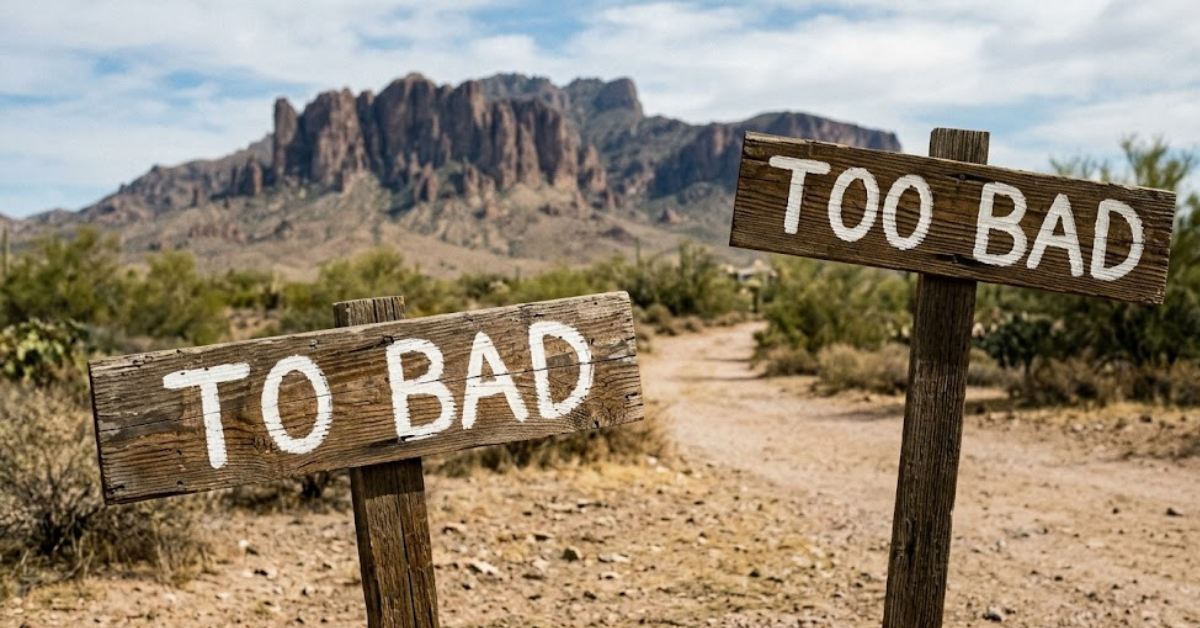
To bad = Incorrect (in most situations)
When expressing disappointment, sympathy, regret, or unfortunate circumstances, the correct phrase is always too bad.
Examples
- That’s too bad.
- It’s too bad you couldn’t come.
- Too bad the weather ruined our plans.
- That’s too bad to hear.
The phrase to bad is almost never grammatically correct on its own.
What Does “Too Bad” Mean?
The phrase too bad is commonly used to express:
- Disappointment
- Sympathy
- Regret
- Mild frustration
- An unfortunate situation
Examples in Everyday Conversation
- “I missed the concert.”
- “That’s too bad.”
- “The restaurant was closed.”
- “Too bad. I wanted to eat there.”
- “My vacation got canceled.”
- “That’s too bad.”
In these situations, “too bad” means unfortunate or regrettable.
Why “To Bad” Is Usually Incorrect
One reason people search for is it to bad or too bad is that to and too sound identical.
However, they serve different grammatical purposes.
The Word “To”
To is usually:
- A preposition
- Part of an infinitive verb
Examples:
- Go to school.
- Talk to your friend.
- I want to learn.
The Word “Too”
Too usually means:
- Also
- Excessively
- More than desired
Examples:
- I want to go too.
- It’s too expensive.
- That’s too bad.
Because the phrase expresses a degree of badness or misfortune, too bad is the correct choice.
Too Bad or To Bad: Quick Comparison
| Phrase | Correct? | Meaning |
| Too bad | Yes | Unfortunate, regrettable |
| To bad | Usually no | Grammatically incomplete |
This simple comparison can save you from making a common writing mistake.
When Should You Use “Too Bad”?
The phrase appears in several common situations.
1. Expressing Sympathy
Example:
- That’s too bad about your injury.
2. Showing Disappointment
Example:
- It’s too bad the event was canceled.
3. Describing an Unfortunate Outcome
Example:
- Too bad we missed the train.
4. Casual Conversation
Example:
- Too bad! Maybe next time.
In all these cases, too bad is the correct phrase.
What Does “Too” Mean in Too Bad?
Understanding the role of too makes the phrase easier to remember.
In this context, too means:
- Excessively
- More than desired
- Unpleasantly
The phrase suggests that the situation is more unfortunate than we’d like.
Similar Examples
- Too expensive
- Too difficult
- Too late
- Too cold
- Too bad
Notice that too always emphasizes degree or extent.
Common Mistakes People Make
Many writers accidentally replace too with to because the words sound alike.
Incorrect
To bad you couldn’t attend.
Correct
Too bad you couldn’t attend.
Incorrect
That’s to bad.
Correct
That’s too bad.
Incorrect
It was to bad to continue.
Correct
It was too bad to continue.
These errors are common but easy to fix once you understand the rule.
Easy Ways to Remember Too Bad
Need a quick memory trick?
Trick #1: Think “Very”
If you can replace the word with very, you probably need too.
Example:
- That’s too bad.
- That’s very bad.
Since the sentence still makes sense, too is correct.
Trick #2: Remember Extra O = Extra Meaning
The word too has an extra O.
That extra O often signals:
- Also
- Excessively
- More than expected
Since “too bad” describes an unfortunate degree, the extra O belongs there.
Trick #3: Ask Yourself If It Expresses Emotion
If you’re expressing disappointment or sympathy, use too bad.
Examples of Too Bad in Sentences
Here are more examples to reinforce correct usage.
Casual Examples
- Too bad you missed the game.
- It’s too bad they moved away.
- That’s too bad for the team.
Professional Examples
- It’s too bad the project could not be completed on schedule.
- Too bad the meeting had to be postponed.
Personal Examples
- Too bad our plans changed at the last minute.
- It’s too bad we didn’t have more time together.
Why People Confuse To and Too
The confusion comes from several factors:
Same Pronunciation
Both words sound identical.
Fast Typing
Writers often type quickly and overlook the extra O.
Autocorrect Limitations
Spell-checkers may not catch the mistake because both words are valid English terms.
Common Grammar Confusion
To, too, and two are among the most frequently confused words in English.
Related Phrases Using “Too”
Learning similar expressions can help reinforce the rule.
Examples include:
- Too much
- Too little
- Too fast
- Too slow
- Too expensive
- Too late
- Too difficult
- Too bad
Notice that each phrase uses too to indicate excess or degree.
Frequently Asked Questions (FAQs)
Is it too bad or to bad?
Too bad is correct.
“To bad” is generally incorrect when expressing disappointment or sympathy.
What does too bad mean?
Too bad means unfortunate, regrettable, disappointing, or unlucky.
Why is “to bad” incorrect?
Because to is a preposition, while too expresses degree or emphasis. The phrase requires too.
How do you use too bad in a sentence?
Example:
“Too bad you couldn’t join us for dinner.”
Can “to bad” ever be correct?
Not as a standalone phrase. In very specific sentence structures, “to” may appear before “bad” as part of a larger grammatical construction, but the common expression is always too bad.
What is the difference between to and too?
- To = direction, destination, or part of an infinitive
- Too = also or excessively
Why do people confuse too bad and to bad?
Because the words sound identical when spoken.
Is “that’s too bad” a common expression?
Yes. It is a very common English phrase used to express sympathy or disappointment.
Conclusion
When deciding between to bad or too bad, the answer is simple: too bad is the correct phrase. It is used to express disappointment, sympathy, regret, or an unfortunate situation. While to and too sound the same, they serve different grammatical functions, making the extra O incredibly important.
The next time you wonder is it too bad or to bad, remember this easy rule: if you’re expressing regret or describing something unfortunate, use too bad. Mastering this small distinction can improve your writing, strengthen your grammar skills, and help you avoid one of the most common English language mistakes.